Russia Unleashes Missile and Drone Assault on Ukraine, Killing Six Civilians
In a devastating escalation of hostilities, Russia launched a massive missile and drone attack on Ukraine on Saturday, resulting in the deaths of six people and widespread damage across multiple regions. Ukrainian officials reported that the assault, which occurred on day 1,481 of the conflict, involved approximately 430 drones and 68 missiles, with air defences intercepting most of the projectiles.
Targeting Energy Infrastructure and Civilian Areas
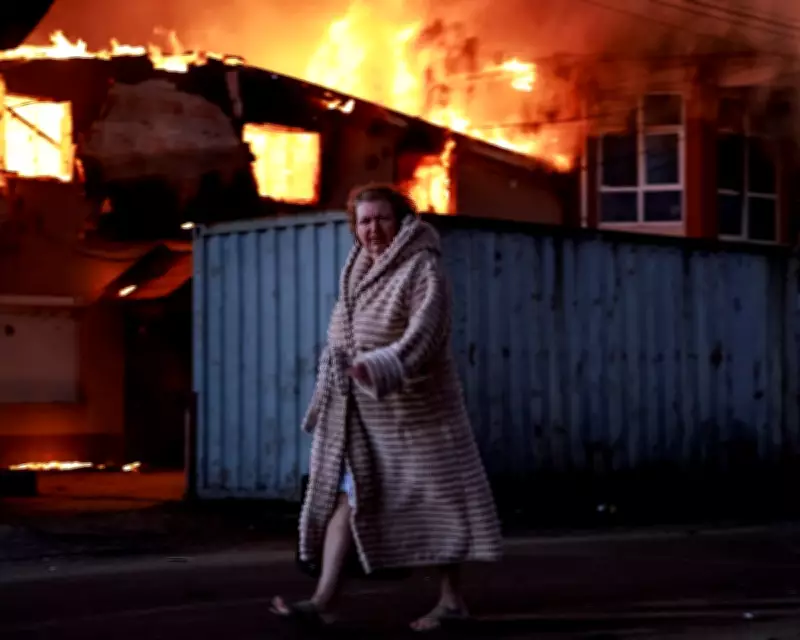
President Volodymyr Zelenskyy stated that the primary focus of the Russian forces was the energy infrastructure in the Kyiv region, but the attack also inflicted severe harm on residential buildings, schools, and civilian businesses. Five of the fatalities were recorded in the Kyiv region outside the capital, while fifteen individuals sustained injuries. Zelenskyy emphasized that the Sumy, Kharkiv, Dnipro, and Mykolaiv regions were similarly targeted in this coordinated offensive.
"The main target for the Russians was the energy infrastructure of the Kyiv region, but unfortunately, there were also direct hits on and damage to ordinary residential buildings, schools, and civilian businesses," Zelenskyy declared, highlighting the indiscriminate nature of the strikes.
Additional Casualties and Regional Impact
Later in the afternoon, a Russian strike on a residential area in the suburbs of Zaporizhzhia claimed one life and wounded eighteen people, including two children, according to local administration reports. Reuters footage depicted emergency crews laboring amidst piles of rubble and twisted metal, with windows and balcony frames shattered by the impact.
Ukraine's energy ministry confirmed that residents in six regions were left without electricity following the overnight strikes and ongoing Russian shelling of frontline areas. This winter campaign by Russia has previously plunged major cities into darkness and cold, as part of a strategy to undermine Ukrainian resolve while Moscow's troops advance on the battlefield and demand territorial concessions in the east.
International Reactions and Airspace Violations
The attack prompted NATO member Poland to scramble jets to safeguard its airspace, although no violations were detected, as stated by Warsaw's military. Meanwhile, Moldova, bordering Ukraine to the west, denounced an intrusion by a Russian drone into its airspace in a border district. The Moldovan foreign ministry condemned Moscow's actions, asserting that they "undermined regional security and posed a danger to its citizens."
Calls for Enhanced Air Defence and Regional Dynamics
Zelenskyy reiterated his appeal for Kyiv's allies to increase production of air defence weapons, noting that stockpiles have been dwindling as the United States and its Gulf partners contend with Iranian strikes. In a related development, a report in the Telegraph suggested that UK Prime Minister Keir Starmer might deploy thousands of interceptor drones to the Middle East. Military officials are reportedly assessing whether the "Octopus" interceptor anti-drone system, manufactured in the UK for use against Russia in Ukraine, could also bolster British defences against Iran's Shahed drones.
Russian Claims of Drone Interceptions
On the Russian side, Moscow's mayor Sergei Sobyanin announced that air defence units had downed 65 Ukrainian drones headed for the capital throughout Saturday, with interceptions occurring over an 11-hour period starting around noon. Crews were examining fragments at the crash sites. Additionally, Alexander Bogomaz, governor of the Bryansk region on the Ukrainian border, claimed on Telegram that units in his area had destroyed 128 drones, though no specific time frame was provided.
This latest barrage underscores the ongoing brutality of the conflict, with civilian infrastructure and lives bearing the brunt of the aggression, as regional tensions and international responses continue to evolve.