Ukraine Alleges Russian Satellite Intelligence Enabled Iranian Strikes on US Assets
A Ukrainian intelligence assessment has made explosive claims that Russian satellites provided critical targeting data to Iran, enabling a series of attacks on US and allied military facilities across the Middle East. According to the report, Russian reconnaissance satellites conducted detailed surveys of strategic locations just days before Iranian ballistic missiles and drones struck those same targets.
Satellite Surveillance Preceding Attacks
The Ukrainian assessment, reported by Reuters, details how Russian satellites made at least 24 separate surveys across 11 Middle Eastern countries between March 21st and 31st. These operations covered 46 distinct military and infrastructure targets, including US bases, allied military headquarters, airports, and crucial oilfields. Within days of these surveillance missions, many of these same facilities came under direct Iranian attack.
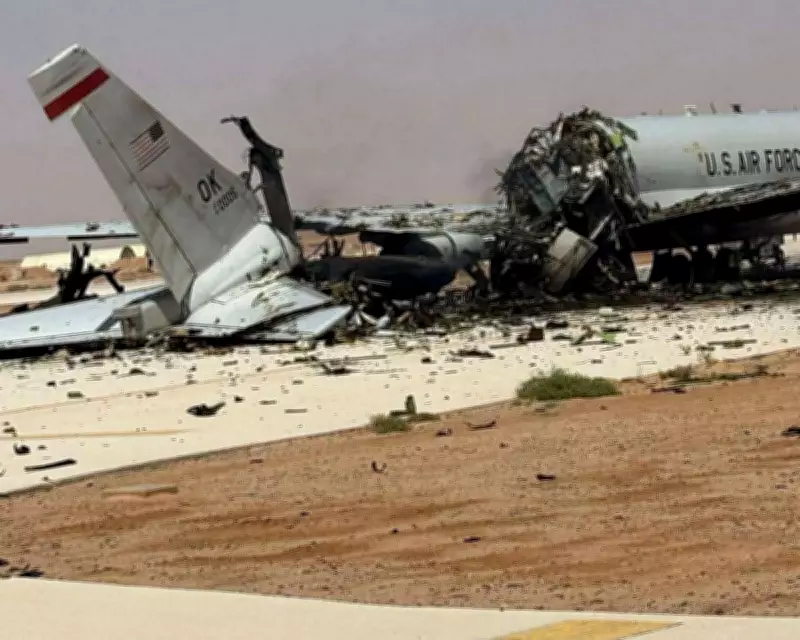
One particularly significant incident involved Prince Sultan Airbase in Saudi Arabia. According to a regional security source cited by Reuters, a Russian satellite imaged this critical facility just days before Iran launched a strike on March 27th. That attack successfully damaged a sophisticated US Boeing E-3 Sentry airborne warning and control system aircraft, a key asset for air defense coordination. The Ukrainian assessment further claims that a Russian satellite passed over the base again the following day, presumably to conduct a battle damage assessment of the successful Iranian strike.

Broader Strategic Collaboration Alleged
The Ukrainian report extends beyond satellite cooperation, alleging deeper military and cyber collaboration between Moscow and Tehran. It claims Russian satellites were actively surveying the strategically vital Strait of Hormuz, a global chokepoint for oil shipments. Furthermore, the assessment suggests Russian and Iranian hackers have been working together in the cyber domain, though specific details of these operations were not provided in the initial reporting.
Reuters noted that these Ukrainian claims have received some corroboration. A Western military source and a separate regional security source both cited their own intelligence in backing up the allegations. When approached for comment, the Iranian foreign ministry offered no immediate response, and Russia's defense ministry did not reply to Reuters' request for a statement.
Escalating Conflict and Regional Implications
This alleged satellite intelligence sharing occurs against a backdrop of escalating strikes between Ukraine and Russia, with significant attacks reported on energy infrastructure. The Ukrainian military claimed it struck Russia's Ust-Luga oil terminal in the Leningrad region, with preliminary reports indicating damage to three storage tanks. Simultaneously, crude oil exports from Russia's key Black Sea terminal at Novorossiysk were suspended following a major drone attack and fire.
The conflict's human toll continues to mount. Russian attacks on civilian transport in Ukraine's Dnipropetrovsk region reportedly killed four people and injured at least sixteen. Separate strikes in Kherson, Zaporizhzhia, and Sumy oblasts resulted in additional civilian casualties. Russian officials, in turn, claimed Ukrainian drone strikes killed five civilians, including a child and his parents, in Russian-occupied territories. Ukraine maintains it does not deliberately target civilians, and Reuters noted it could not independently verify all battlefield claims from either side.
The Ukrainian allegations, if substantiated, would mark a significant escalation in military collaboration between Russia and Iran, directly implicating Russian space assets in attacks against US and allied interests in a volatile region.