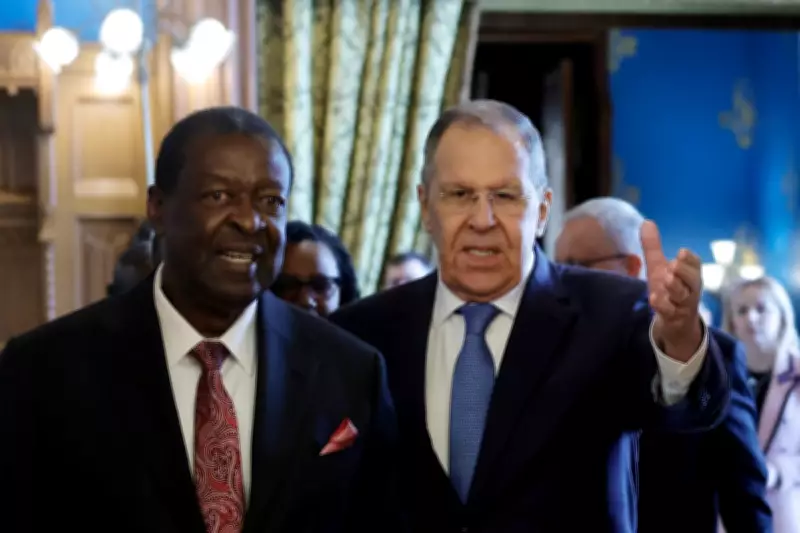
In a significant diplomatic development, Russian Foreign Minister Sergey Lavrov hosted his Kenyan counterpart, Musalia Mudavadi, for high-level talks in Moscow this week. The discussions yielded a crucial agreement: Kenya announced that Russia has consented to cease recruiting Kenyan nationals to fight alongside its forces in the ongoing war against Ukraine.
Ending Kenyan Enlistment
Kenyan Foreign Minister Musalia Mudavadi confirmed the pact during a joint press conference with Lavrov, stating unequivocally, "We have now agreed that Kenyans shall not be enlisted." This move addresses long-standing concerns over the involvement of Kenyan citizens in the conflict, with intelligence estimates suggesting more than 1,000 Kenyans have been dispatched to fight for Russia since the invasion began in 2022.
Broader African Recruitment Context
This agreement comes against a backdrop of widespread accusations that Russia has actively recruited individuals from various nationalities to bolster its military efforts in Ukraine. According to Ukrainian estimates from February, over 1,780 citizens from 36 African countries are believed to be fighting on the Russian side. The case of Kenyan long-distance runner Evans Kibet highlights the troubling methods alleged; Kibet, captured by Ukraine and held as a prisoner of war, claimed he was deceived into signing an army contract after traveling to Russia for a sporting event.

Geopolitical Ramifications and Energy Debates
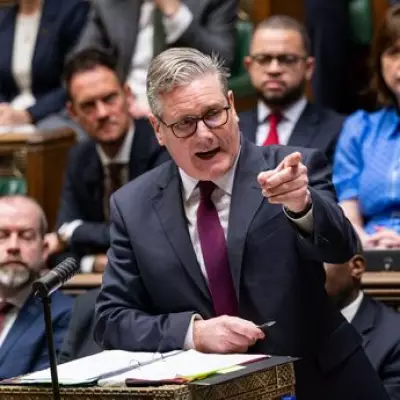
Meanwhile, UK Labour leader Keir Starmer, who is set to host Ukrainian President Volodymyr Zelenskyy for talks, issued a stark warning regarding the conflict's economic dimensions. Starmer cautioned that the war on Iran must not become a "windfall for Putin," noting data indicating Russia has garnered €6 billion from fossil fuel sales in the fortnight since the conflict's escalation. This statement underscores the intricate link between energy markets and geopolitical strategy.
European Divisions Over Russia Policy
The diplomatic landscape remains fractured, as evidenced by Belgian Prime Minister Bart De Wever's controversial call for normalising relations with Russia to restore access to cheap energy supplies. De Wever argued, "Europe had to rearm and at the same time we must normalise relations with Russia and regain access to cheap energy. It is common sense." His remarks have sparked criticism, highlighting deep divisions within European leadership on how to approach Moscow amidst ongoing hostilities.
Military Developments on the Ground
On the battlefield, Russian forces have reportedly taken control of 12 settlements in Ukraine during the first two weeks of March, according to statements from top general Valery Gerasimov cited by Russian state-run news agencies. Gerasimov indicated that Russian troops are "actively moving towards Sloviansk," a key strategic town in the Donetsk region that has long been a target for Moscow's advances.
Escalating Drone Warfare
The conflict has seen a dramatic intensification in drone attacks, with Russian air defence units claiming to have downed at least 67 Ukrainian drones headed for Moscow on Monday alone. Moscow's mayor, Sergei Sobyanin, reported that approximately 250 drones were intercepted over the preceding two days. In retaliation, Ukrainian air force officials described a rare daytime Russian assault on Kyiv as "unusual," involving various types of strike drones. Ukrainian defences reportedly neutralised 194 out of 211 Russian drones launched overnight, though the attacks resulted in three civilian fatalities in the Zaporizhzhia and Dnipropetrovsk regions.
Maritime Incidents and Shadow Fleets
Further complicating the situation, a damaged Russian gas tanker, the Arctic Metagaz, has been adrift in the Mediterranean for nearly two weeks with 700 tonnes of fuel on board. The vessel, part of what the US and EU term Moscow's "shadow fleet," suffered explosions on March 3rd, prompting crew evacuation. Russia alleges the ship was attacked by Ukrainian sea drones, though Ukraine has not commented on the incident.

As diplomatic efforts like the Kenya-Russia talks unfold, the war in Ukraine continues to evolve with profound implications for global security, energy dynamics, and international alliances. The agreement to halt Kenyan recruitment marks a small but notable step in addressing the human cost of the conflict, even as military actions and geopolitical manoeuvring persist unabated.