
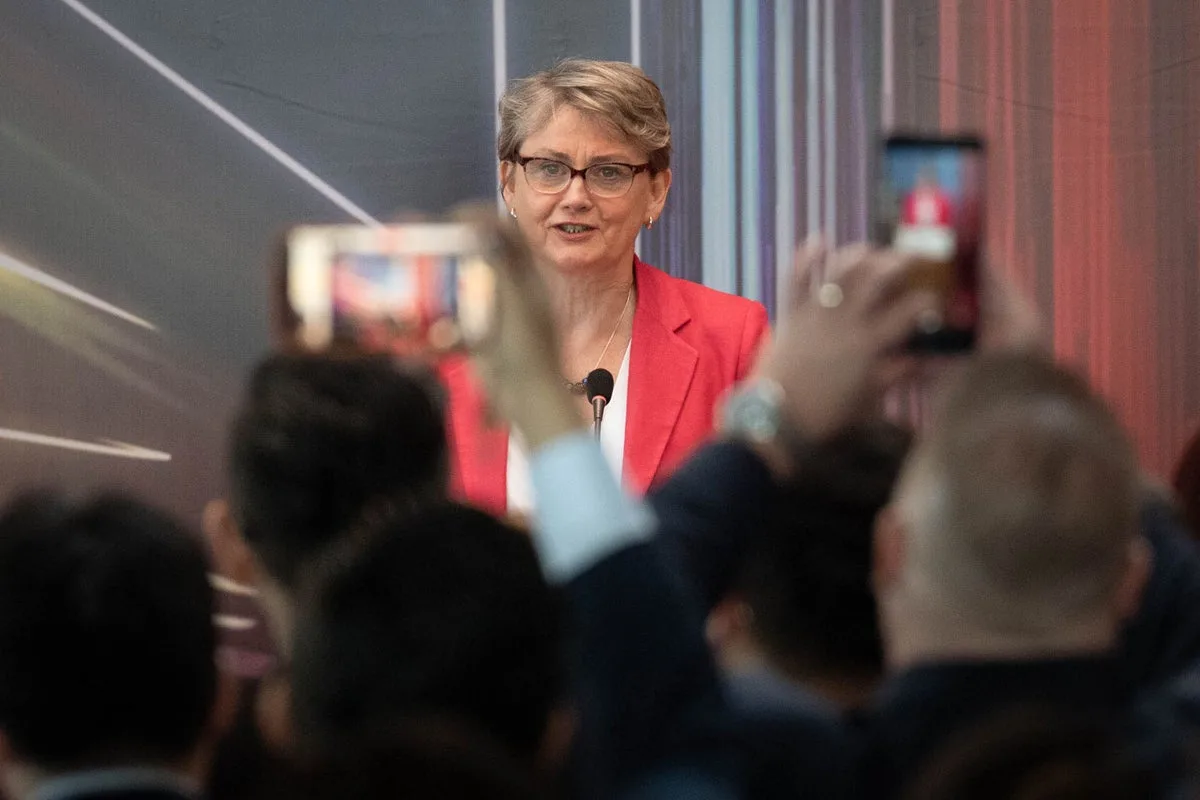
Foreign Secretary Yvette Cooper has defended the UK and France's proposed mission to secure the Strait of Hormuz after US Secretary of State Marco Rubio described the plan as a 'catch-22'. The initiative, which would involve mine sweepers and escort ships, is intended to begin only after hostilities end, a condition Rubio questioned.
Cooper told the Press Association that the mission has been discussed with the US and 50 other countries. She emphasised that the goal is a ceasefire and safe passage for shipping, but the maritime capability is being prepared in case it is needed for demining or escorts.
The Strait of Hormuz has become a flashpoint in the ongoing conflict, now in its fourth month. The US military recently struck an Iranian ground control station on Qeshm Island after missiles were fired at Kuwait and Bahrain. Iran's control of the strait has caused global economic disruption and a spike in petrol prices.
Rubio, appearing before the Senate foreign affairs committee, said the US has not offered to ease sanctions in exchange for reopening the strait. He noted that freeing the waterway would be a key topic at the upcoming G7 summit, and while he questioned the need for escorts if no attacks are occurring, he acknowledged they could provide reassurance for initial shipping.




