
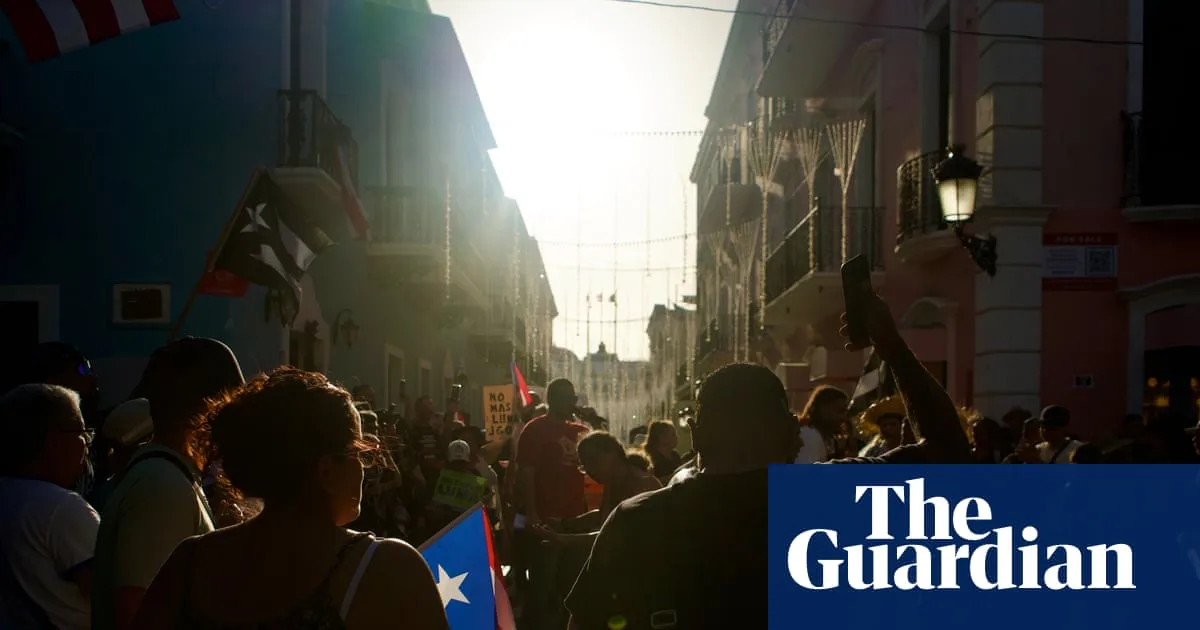
A youth-led protest in Manhattan has highlighted growing support for Puerto Rican independence, with demonstrators targeting a luxury hotel project they say threatens the island's environment. The group Juventud Unida por la Independencia (JUPI) occupied the Mandarin Oriental hotel lobby on 21 April 2025, opposing the $2bn Esencia development in Cabo Rojo, which would destroy over 1,500 acres of protected land.
Puerto Rico has been a US territory since 1898 and a commonwealth since 1952, leaving residents unable to vote in presidential elections or have Senate representation. While statehood has historically been favoured, support for sovereignty has risen, with a 2024 poll showing it tied with statehood at 44% for the first time.
Activists cite the US government's inadequate response to Hurricane Maria in 2017 as a turning point. The storm left 2,975 dead (with estimates up to 4,600) and caused up to 255,000 residents to flee to the mainland. JUPI, founded in 2024, represents a surge in youth interest in independence, fuelled by ongoing issues like an unreliable power grid and gentrification.
Puerto Rican musician Bad Bunny has also boosted the cause, waving a light blue independence flag during the 2025 Super Bowl half-time show, symbolising the island's struggling power infrastructure. Supporters argue independence would allow local renewable energy solutions and economic self-sufficiency.




