Protecting Civilians is a Sign of Strength and an American Ideal
In a powerful statement, it has been argued that safeguarding civilians during conflicts is not an indication of weakness but rather the very essence of strength. This perspective serves as a profound gesture of respect for the millennia of civilization that form the foundation of humanity. The United States, from its inception, was built upon a pledge to mitigate the harms of warfare, although it has frequently fallen short of upholding this commitment throughout its history.
Trump's Escalating Threats and Historical Parallels
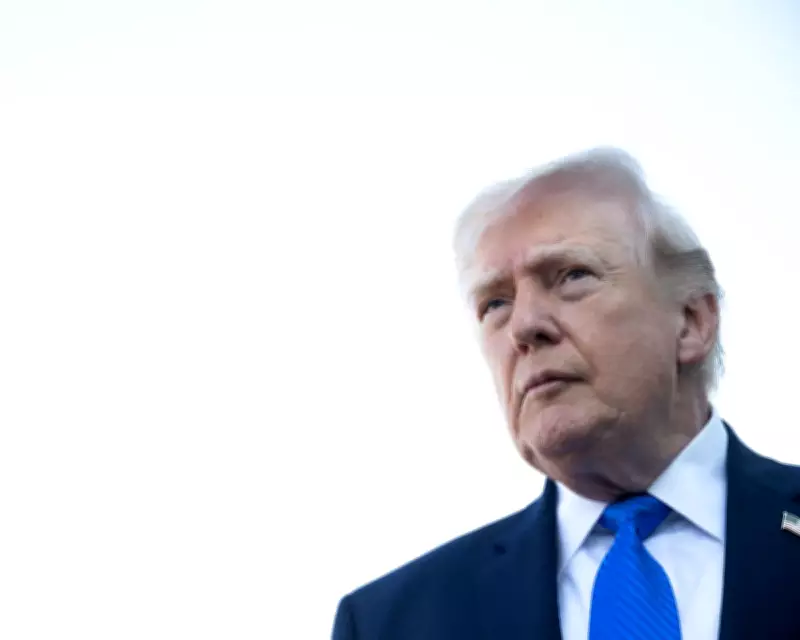
As tensions escalate, former President Donald Trump has intensified his rhetoric, far from expressing remorse for threatening to bomb civilian infrastructure in Iran. With a deadline set for Iranian submission, he has doubled down on aggressive posturing. Trump has asserted that it is insufficient for the US to merely achieve a military victory, which remains elusive, and has ominously warned on social media that "a whole civilization will die, never to be brought back again." He further claimed that this moment is among the most critical in global history, a point that may hold some truth but is undermined by a lack of confidence in his leadership during a prolonged conflict.
Trump's threat to bomb Iran "back to the Stone Ages" echoes the words of General Curtis LeMay, who made a similar vow regarding Vietnam in 1965. LeMay's taunt was widely discredited at the time, as carpet bombing proved militarily ineffective against the Viet Cong and only deepened public skepticism towards a war the US ultimately lost. LeMay's career was marred by other reckless decisions, such as accusing President John F. Kennedy of "appeasement" during the Cuban Missile Crisis for opting to blockade Cuba rather than invade. Recorded conversations reveal how perilous his advice was, especially given later discoveries of tactical nuclear weapons in Cuba that could have triggered a nuclear exchange had Kennedy not pursued diplomacy.

The Importance of Precise Language and Diplomatic Solutions
Kennedy's measured approach during the Cuban Missile Crisis highlights the critical role of precise language in averting disaster. By avoiding bluster and providing an off-ramp for Soviet leader Nikita Khrushchev, he facilitated a diplomatic resolution that later led to a nuclear test ban treaty. In contrast, Trump appears to lack these skills as he navigates a crisis of his own making, with no clear off-ramp in sight and extreme statements fueling hostilities. His threats to inflict devastation on Iranian civilians risk ensuring permanent enmity towards the United States.
Wars inevitably harm civilians, despite centuries of international law designed to protect them. However, Trump's indiscriminate threats to target power stations, desalination plants, and bridges could constitute war crimes under Article 52 of the 1977 Geneva Convention protocol, which prohibits attacks on civilian objects. This has parallels to the International Criminal Court's efforts to hold Russian leaders accountable for destroying Ukraine's energy infrastructure.
Navigating the Complexities of War Crimes and Targeting
Determining what constitutes a war crime is complex, especially when presidential rhetoric is imprecise and contradictory. If bombing continues, there are ways to limit damage, with military lawyers advising on distinctions between legitimate military targets and civilian infrastructure. For instance, power plants serving military bases may be targeted, but not those supporting local communities. Cyber-attacks could offer less damaging alternatives, and bridges used for troop transport might be legitimate, whereas those serving civilians should be spared. Desalination plants, vital for civilian water supply, must never be struck.
Any damage should be temporary, aligning with Trump's insistence on a brief conflict, and efforts should be made to avoid long-term costs. Iran's demand for war reparations ahead of talks further incentivizes precision in targeting. Explaining these decisions to the world could help restore confidence in the US, which has been shaken by Trump's taunts towards allies and lack of consultation before launching military actions.

Upholding American Traditions and Historical Precedents
Aligning with American history, there is a deep-rooted tradition of striving to fight wars with greater purpose and a plan for peace. While the US has not always succeeded, as seen in Vietnam and Iraq, historical examples like World War II, despite its civilian casualties, were fought with clearly communicated goals. Franklin D. Roosevelt articulated a vision for a world united around democratic values, leading to the establishment of the UN in 1943. Post-war, survivors built international architecture to protect peace, emphasizing human rights and religious freedom for all peoples.
The Pentagon's Law of War Manual, drawing from sources like the Lieber Code of 1863, provides guidelines for civilian protection. Abraham Lincoln enforced strict protocols during the Civil War to safeguard vulnerable groups, including African American soldiers. George Washington also emphasized fighting fairly, as reflected in the Declaration of Independence's condemnation of cruelty. By adhering to these principles, the US can uphold its values and deter mindless violence from other leaders.
In conclusion, protecting civilians is not a sign of weakness but a demonstration of strength and self-discipline. It honors the enduring legacy of civilization that underpins global society, reinforcing the American ideal of conducting warfare with humanity and respect.