Pepsi Terminates Sponsorship of London's Wireless Festival Amid Kanye West Backlash
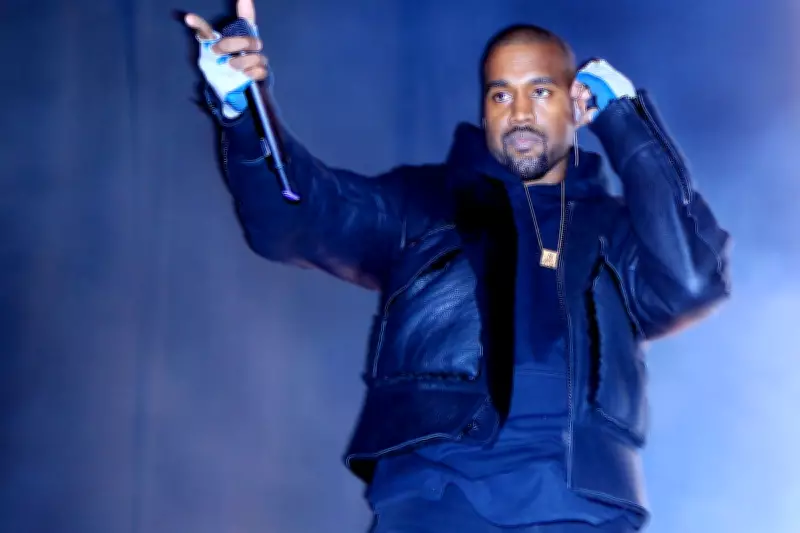
Pepsi has officially withdrawn its sponsorship of London's Wireless Festival in response to widespread criticism surrounding Kanye West's scheduled headline performances. The beverage giant's decision follows intense backlash from political leaders, Jewish community representatives, and public figures who condemned West's history of antisemitic behaviour.
Political and Public Figures Voice Strong Opposition
Labour leader Keir Starmer and London Mayor Sadiq Khan joined Jewish leaders and comedian Matt Lucas in expressing serious concerns about West's inclusion in the festival lineup. Critics pointed to specific incidents including West's release of a song titled 'Heil Hitler' and his sale of merchandise featuring swastikas as evidence of problematic behaviour that made him unsuitable for such a prominent platform.
West's Controversial History and Recent Apology
Kanye West recently issued an apology for his past antisemitic remarks, attributing his offensive outbursts to a combination of brain injury and bipolar disorder. However, this explanation has been met with widespread scepticism from critics who question the sincerity and timing of his apology. The controversy has cast a shadow over his scheduled three-night headline performances at the festival in July.

Festival Organisers Remain Silent on Controversy
Wireless Festival organisers have yet to issue any public statement regarding the growing controversy surrounding West's appearance or Pepsi's subsequent withdrawal of sponsorship. The festival, scheduled for July, now faces significant questions about its lineup decisions and corporate partnerships in light of this development.
The sponsorship withdrawal represents a significant financial and reputational blow to the festival, which has traditionally attracted major corporate backers. Industry analysts suggest this decision could prompt other sponsors to reconsider their involvement with events featuring controversial performers.
This incident highlights the increasing pressure on corporations to align their sponsorship decisions with public sentiment and ethical considerations, particularly regarding performers with histories of offensive behaviour. The Wireless Festival controversy serves as a case study in how corporate sponsors are navigating the complex intersection of entertainment, politics, and social responsibility.