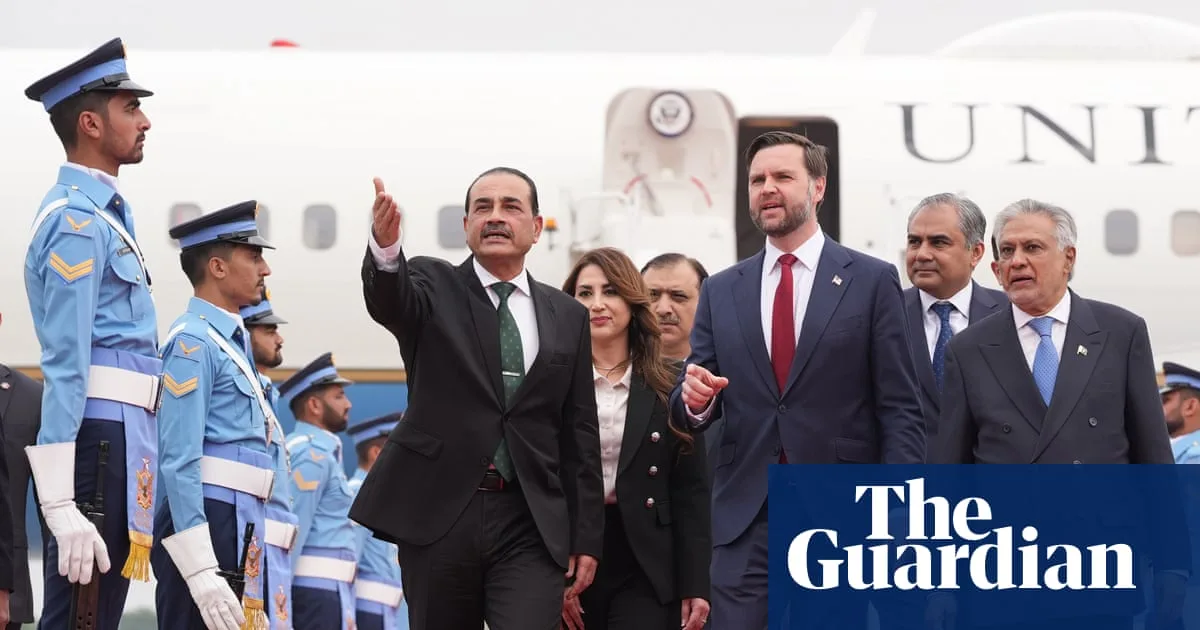
Pakistani Army Chief Engages in Tehran Diplomacy to Facilitate US-Iran Dialogue
In a significant diplomatic move, Pakistan's army chief is scheduled to meet with Iranian officials in Tehran on Thursday, aiming to reduce escalating tensions in the Middle East and orchestrate a second round of negotiations between the United States and Iran. This initiative follows almost seven weeks of intense conflict that has destabilised the region and impacted global markets. The White House has indicated that any future talks are likely to be held in Islamabad, Pakistan's capital, although a definitive decision on resuming negotiations remains pending.
US Economic Pressure and Mediation Efforts Intensify
Concurrently, the United States is escalating economic pressure on Iran, with U.S. Treasury Secretary Scott Bessent announcing new sanctions on countries engaging in business with Tehran. Bessent described these measures as the "financial equivalent" of a bombing campaign, underscoring the administration's hardline stance. Despite this, Pakistan has emerged as a crucial mediator, having previously hosted direct talks in Islamabad that reportedly narrowed differences between the U.S. and Iran. Mediators are urgently seeking a new round of discussions before the current ceasefire expires next week.
Regional Conflicts and Diplomatic Developments
Amid these efforts, former President Donald Trump disclosed on Truth Social that leaders from Israel and Lebanon would convene to broker a ceasefire, following unsuccessful direct talks in Washington. The specifics of this meeting remain unclear, with the Israeli prime minister's office yet to comment. The ongoing war has severely disrupted shipping and infrastructure, jolting markets and rattling the global economy. However, oil prices have recently fallen amid hopes for peace, and U.S. stocks have surpassed previous records.
Regional officials, speaking anonymously to The Associated Press, reported progress, noting an "in principle agreement" between the U.S. and Iran to extend the ceasefire for further diplomacy. Iranian Foreign Minister Abbas Araghchi participated in a preliminary meeting with Pakistan's army chief, Asim Munir, as confirmed by Iranian state media. Nevertheless, tensions persist, with Iranian military commander Ali Abdollahi threatening to halt regional trade unless the U.S. lifts its naval blockade, and a military adviser to Supreme Leader Mojtaba Khamenei opposing any ceasefire extension.
Key Sticking Points and International Calls for Peace
Mediators are focusing on three primary sticking points that derailed recent talks: Iran's nuclear program, control of the Strait of Hormuz, and compensation for wartime damages. Iranian Foreign Ministry spokesman Esmail Baghaei stated that Iran is open to discussing uranium enrichment levels but insists on continuing enrichment based on its national needs. The conflict has resulted in significant casualties, with at least 3,000 deaths in Iran, over 2,100 in Lebanon, 23 in Israel, and more than a dozen in Gulf Arab states, alongside 13 U.S. service members killed.
China has intervened diplomatically, with Foreign Minister Wang Yi emphasising during a phone call with Araghchi that the situation is at a critical juncture between war and peace. Wang urged respect for Iran's sovereignty and security as a littoral state of the Strait of Hormuz, while advocating for freedom of navigation and safety through the strait. Iran's closure of the strait, which typically handles a fifth of global oil traffic, has caused oil prices to skyrocket, affecting fuel and food costs worldwide. In response, the U.S. has enforced a blockade on Iranian shipping, with U.S. Central Command reporting no ships breaching it since its imposition.
Ongoing Military Actions and Humanitarian Concerns
Meanwhile, Israel continues its military operations in Lebanon, with airstrikes and artillery shelling reported in southern regions, including near Bint Jbeil, where Israeli forces have encircled Hezbollah fighters. Israeli Prime Minister Benjamin Netanyahu vowed to eliminate Hezbollah strongholds and expand control in southern Lebanon, with disarmament of the group being a key negotiation goal. Tragically, Israeli strikes on Wednesday killed three paramedics and wounded six others in southern Lebanon, according to the Lebanese Health Ministry, though the Israeli military has not commented.
Israel and Lebanon have technically been at war since 1948, with Lebanon remaining deeply divided over diplomatic engagement with Israel. As mediators work tirelessly for a peaceful resolution, the international community watches closely, hoping for a breakthrough that could stabilise the region and alleviate global economic strain.






