Orbán Ends Blockade on €90bn EU Ukraine Loan as He Exits Hungarian Premiership
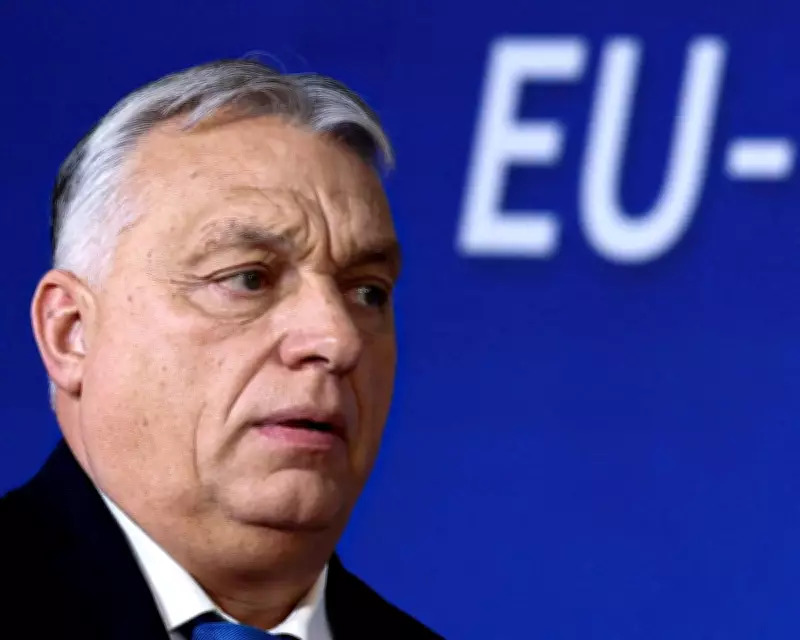
In a significant shift, Viktor Orbán, the outgoing prime minister of Hungary, has announced that he will no longer obstruct a €90 billion European Union aid package for Ukraine. This decision comes as Orbán prepares to leave office following a sweeping electoral defeat, with his pro-Russian stance giving way to a new leadership under Peter Magyar, who has pledged to foster improved relations with Brussels.
Pipeline Dispute Resolved, Paving Way for Aid
Orbán stated that Hungary's objections to the loan were being lifted after receiving assurances via Brussels that Ukraine is ready to restore oil deliveries through the damaged Druzhba pipeline. This pipeline, which runs from Russia through Ukraine to Hungary, had been a point of contention. "Once oil deliveries are restored, we will no longer stand in the way of approving the loan," Orbán declared. However, critics note that his blocking of European support for Ukraine predated the pipeline issues, suggesting broader political motives tied to his friendly relations with Russian President Vladimir Putin.
New Leadership and EU Optimism
Peter Magyar, who won a decisive electoral mandate, has criticized Orbán for yielding to Russian influence and has promised a more cooperative approach with the EU. French President Emmanuel Macron expressed optimism about the loan's progress, stating on Monday that with Orbán's departure, "we can be reasonably optimistic about the sound progress and implementation" of the EU financial support. This change in Hungarian leadership is seen as a potential turning point in EU-Ukraine relations, reducing obstacles that have hampered aid efforts.

Geopolitical Tensions and Security Concerns
Amidst these developments, Germany summoned the Russian ambassador over what it described as "direct threats from Russia" against targets in Germany. The German foreign ministry asserted that these threats are an attempt to undermine support for Ukraine and test European unity, vowing not to be intimidated. This follows a veiled threat from Russia's defence ministry, which published a list of companies, including three German firms, supplying unmanned aerial vehicles (UAVs) to Ukraine, implying they could be targeted.
In a separate incident, Russian authorities arrested a German woman in Pyatigorsk, accusing her of involvement in an alleged Ukrainian-backed plot to blow up a services facility. The German foreign ministry acknowledged press reports but declined further comment due to privacy concerns.
Humanitarian and Legal Developments
The conflict's toll continues, with the death toll from a mass shooting in Kyiv rising to seven after a wounded man succumbed to injuries. The shooter, a Russian-born individual, opened fire on passersby before being killed by police in a supermarket standoff.
In a positive development, a Europol "hackathon" successfully traced 45 Ukrainian children who were forcibly deported to Russia. Using open-source intelligence, investigators from 18 countries gathered in The Hague to locate these children, some of whom have been adopted by Russian nationals or held in re-education camps and psychiatric hospitals. Kyiv estimates that at least 20,000 Ukrainian children have been abducted, with the International Criminal Court issuing war crime arrest warrants for Vladimir Putin and his children's commissioner, Maria Lvova-Belova, over these kidnappings.