New Zealand Urges US to Deploy Fuel Tankers to Pacific Amid Iran War Fallout
In a high-level diplomatic meeting in Washington, New Zealand's Foreign Minister Winston Peters has formally requested that the United States prepare and send fuel tankers to the Pacific region. This urgent appeal aims to mitigate the significant economic and fuel supply pressures exacerbated by the ongoing war in Iran, which is severely impacting New Zealand and its vulnerable Pacific neighbours.
Key Discussions in Washington Meeting
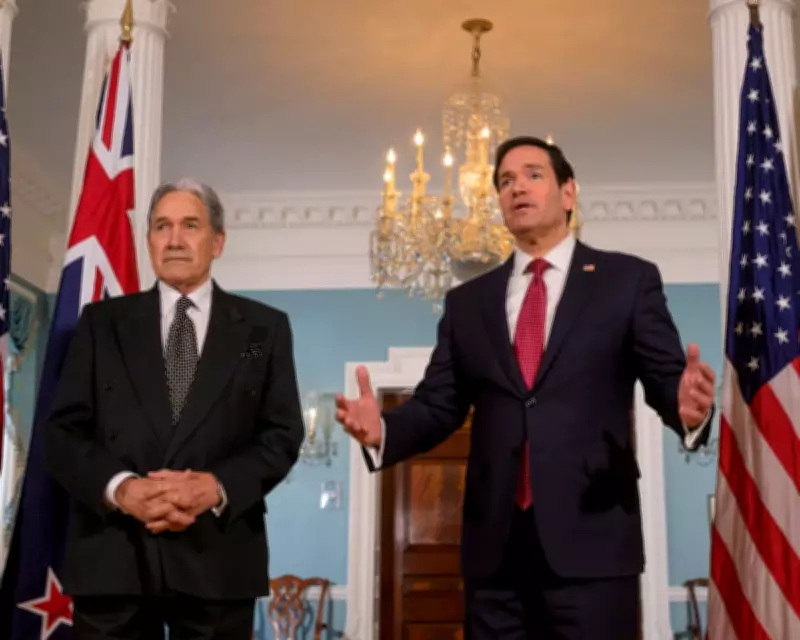
During their meeting on Tuesday, Peters and US Secretary of State Marco Rubio engaged in comprehensive talks covering bilateral relations, the escalating conflict in Iran, and broader Pacific security concerns. Peters emphasised the critical need for proactive measures, stating that he ensured the US fully comprehended the profound economic repercussions of the Middle East crisis on New Zealand and Pacific island nations.
"We left all that very clearly in their mind as concerns we had," Peters told RNZ, New Zealand's national broadcaster. "Not just the New Zealand economy, but to the Pacific economies that we have so much responsibility for." He highlighted that Pacific countries are particularly susceptible to fuel disruptions due to their heavy reliance on imported oil, making them disproportionately affected by global market volatility.

Request for Ancillary Tankers and Preparedness
The foreign minister revealed that the discussions included a specific plea for the US to "get some ancillary tankers ready and get them to New Zealand to spread it around the Pacific as fast as we possibly can." Peters advocated for preemptive action, urging, "don't leave it to when it happens, get ready just in case it's going to happen." He described the dialogue as "very positive" and focused on practical solutions to bolster regional fuel security.
This request aligns with earlier appeals from Pacific leaders. In March, Samoan Prime Minister La'aulialemalietoa Leuatea Schmidt inquired about diverting fuel supplies during crises, while Tongan Prime Minister Lord Fakafanua noted that New Zealand and Australia were sharing intelligence to prepare for potential shortages. The collective concern underscores the region's fragility in the face of global energy shocks.
Diplomatic Context and Regional Implications
The meeting occurred against a backdrop of intense geopolitical developments. Shortly after Peters and Rubio conferred, the US and Iran agreed to a two-week ceasefire, facilitated by last-minute diplomatic efforts led by Pakistan. This agreement averted an ultimatum from former US President Donald Trump, who had threatened widespread destruction if Iran did not surrender.
When questioned about Trump's aggressive rhetoric, including threats to annihilate Iranian civilisation, Peters declined to comment directly. "I don't make comments on what presidents and prime ministers say," he stated, adding, "It's time for cool heads and not make a rush to judgment we will regret." His response reflects a cautious diplomatic approach, prioritising stability over public criticism.
Assessing the US-New Zealand Relationship
Peters characterised the bilateral relationship with the United States as "excellent," though he tempered expectations when asked if the two nations were close friends. With a laugh, he remarked, "Respectful understandings amongst each other is more important, and we've got that." This nuanced perspective highlights a partnership based on mutual respect and pragmatic cooperation, rather than overt camaraderie.
The call for US fuel tankers underscores New Zealand's proactive stance in addressing regional vulnerabilities. By leveraging its diplomatic channels, Wellington aims to secure tangible support to cushion Pacific economies from the ripple effects of the Iran war, ensuring energy resilience and economic stability in an increasingly volatile global landscape.