NATO Fighter Jets Scrambled Amid Escalating Russian Drone Attacks on Ukraine
NATO fighter jets were urgently scrambled on Friday, February 7, 2026, following a fresh wave of Russian drone and missile strikes targeting western Ukraine. The incident occurred as Russian aerial assets breached Polish airspace, prompting a swift defensive response from the alliance. This escalation underscores the ongoing intensity of the conflict, now in its fourth year, with critical energy infrastructure once again in the crosshairs.
Targeted Strikes on Energy Infrastructure Amid Harsh Winter
The Russian assault focused heavily on the Burshtyn thermal power plant in the Ivano-Frankivsk region, a facility that has reportedly been attacked over a dozen times since the war began. Additional explosions were reported in the city of Vinnytsia, though specific damage assessments remain pending. These strikes are part of a sustained Russian campaign that has, for months, deliberately targeted Ukraine's national power grid.
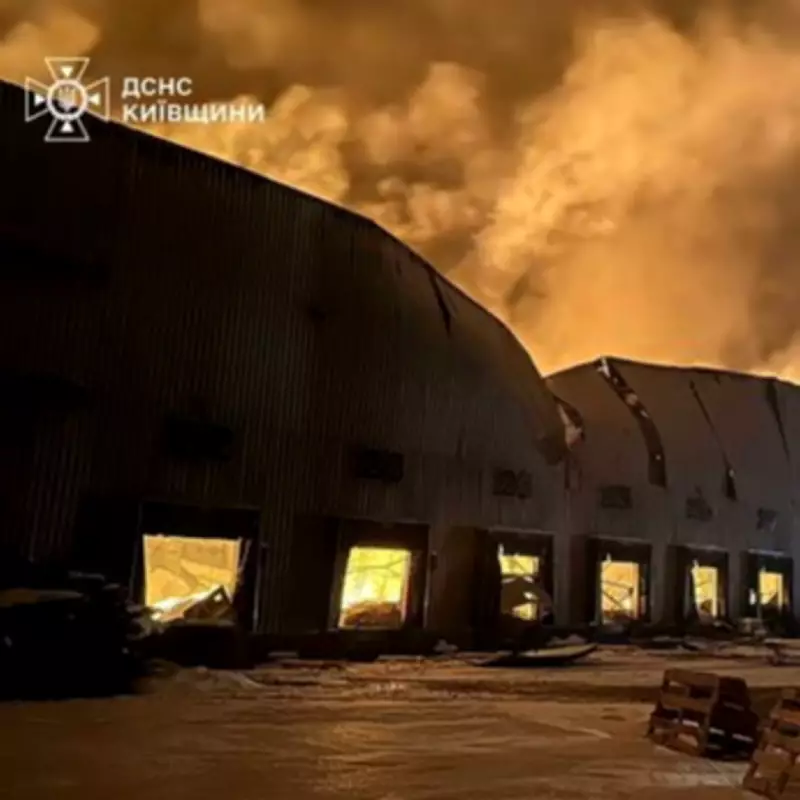
The timing is particularly severe, as Ukraine endures plummeting winter temperatures. The repeated attacks have caused widespread blackouts, severely disrupting heating systems and water supplies for millions of civilians. The State Emergency Service of Ukraine shared images of a significant fire at a warehouse in the Boryspil region, a direct result of the latest bombardments.

Breach of NATO Airspace and Alliance Response
A critical development in this latest offensive was the incursion into Polish airspace by Russian drones and missiles en route to their targets in western Ukraine. This violation triggered the immediate scrambling of NATO fighter jets, a clear demonstration of the alliance's vigilance and its commitment to collective defence under Article 5 protocols. While the objects were reportedly shot down, the event marks a dangerous moment of direct proximity between Russian forces and NATO territory.
Analysts note that these attacks on energy assets represent a strategic effort by Russia to cripple Ukrainian civilian morale and industrial capacity during the most challenging season. The focus on power generation and distribution networks aims to exacerbate the humanitarian crisis, applying pressure beyond the front lines.
The international community continues to monitor the situation closely, with support for Ukraine's air defence capabilities remaining a top priority. This incident highlights the persistent volatility of the conflict and its potential to spark wider regional instability.