Mojtaba Khamenei Poised to Succeed Father as Iran's Supreme Leader
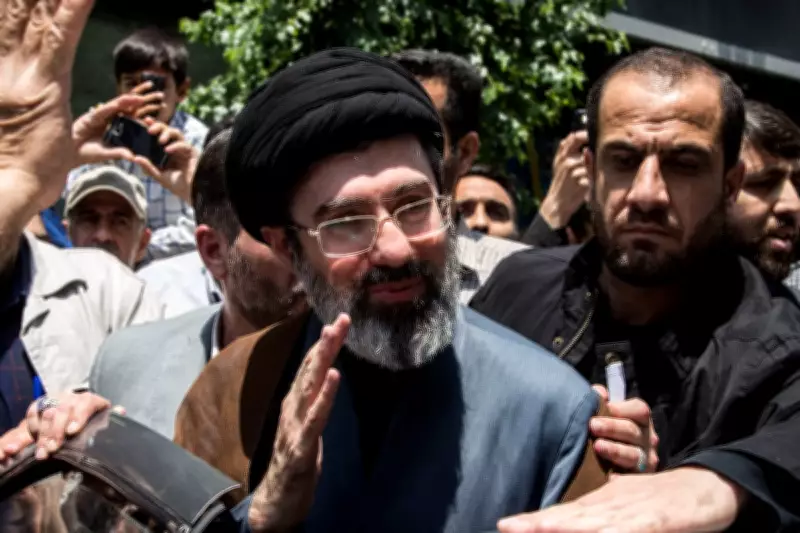
Mojtaba Khamenei is reportedly the leading candidate to succeed his father, Ayatollah Ali Khamenei, as Iran's supreme leader. This development follows the death of Ayatollah Ali Khamenei, who was killed at age 86 in a US-Israeli strike on his personal compound. The attack also claimed the lives of his wife and Mojtaba Khamenei's wife, adding to the tragedy and political upheaval.
Selection Process and IRGC Influence
The 56-year-old Mojtaba was selected as the primary candidate by Iran's Assembly of Experts, a decision influenced by significant pressure from the Islamic Revolutionary Guard Corps (IRGC). This move underscores the powerful role of the IRGC in shaping Iran's leadership transitions and political landscape.
Background and Political Stance
Mojtaba Khamenei is described as a hardline conservative cleric with strong links to the IRGC. His background includes extensive training in Islamic theology and prior military service, which positions him as a figure deeply embedded in both the religious and security apparatus of the Islamic Republic.

Controversy and Historical Context
His potential appointment is expected to generate considerable controversy within Iran. Historically, the Islamic Republic has positioned itself as an alternative to hereditary monarchy, emphasizing meritocratic and religious qualifications over familial succession. The ascension of a son to the supreme leadership role could challenge this foundational principle, sparking debates about nepotism and the future direction of Iran's governance.
The moment was captured dramatically when an Iranian state TV host broke down in tears while confirming Khamenei's death, highlighting the emotional and political weight of this transition. As Iran navigates this critical period, the world watches closely to see how Mojtaba Khamenei's leadership will unfold and impact regional and global dynamics.