Middle East Conflict Escalates as US-Iran War Draws in Multiple Nations
The war in the Middle East intensified dramatically on Monday, with the death toll climbing and more countries being pulled into the expanding conflict between the United States, Israel, and Iran. Following the killing of Iranian Supreme Leader Ayatollah Ali Khamenei over the weekend, President Donald Trump warned that the worst is yet to come, stating in a CNN interview, "We haven't even started hitting them hard. The big wave hasn't even happened. The big one is coming soon."
Retaliatory Attacks Spread Across the Region
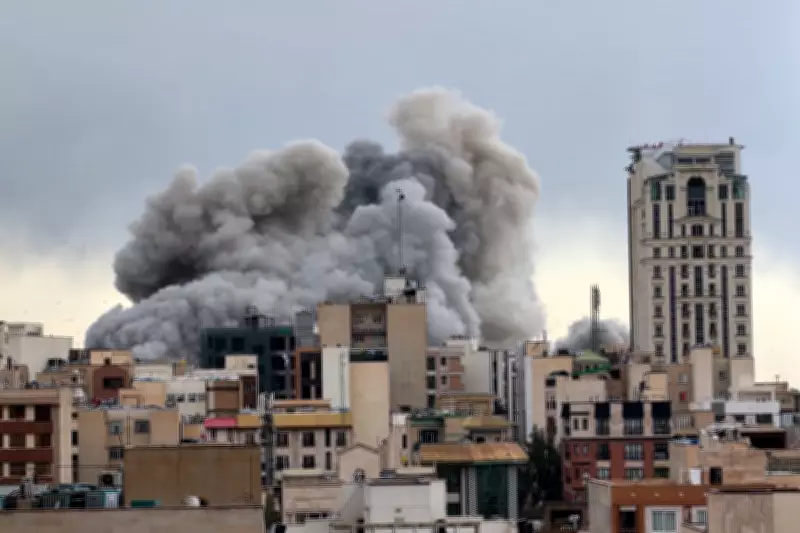
In response to the US and Israeli strikes, Tehran and its allies launched retaliatory attacks, targeting nations including Lebanon, the United Arab Emirates, Kuwait, Bahrain, Qatar, Jordan, Oman, and Saudi Arabia. A series of loud explosions were reported across Gulf cities, with civilian targets such as hotels and airports also hit. Tourists and residents in supposed safe havens like Dubai described missiles passing their windows, while hundreds of thousands of airline passengers were stranded due to cancelled flights in hotspot areas.
The conflict is already having a significant global economic impact, with oil prices shooting up in response to the crisis. The death toll continues to rise on all sides, with fears that the strikes could persist for weeks. The Iranian Red Crescent Society reported that the US-Israeli operation has killed at least 555 people, including 165 victims at a girls' school in southern Iran. In Israel, where several locations were hit by Iranian missiles, 11 people were killed.

International Involvement and Military Incidents
The Iranian-backed Hezbollah militant group also targeted Israel, which responded with strikes on Lebanon, killing more than two dozen individuals. Four American troops have now been killed, with three more dead in the United Arab Emirates, and one each in Kuwait and Bahrain. Amid growing concerns that the conflict could spiral into a protracted regional war, US Defense Secretary Pete Hegseth insisted "this is not endless" during the Trump administration's first news briefing since strikes began on Saturday. However, Iran's top security official Ali Larijani vowed on social media, "We will not negotiate with the United States."
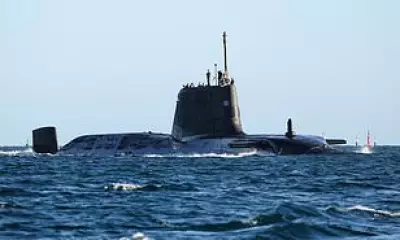
In an indication that the war could draw in yet more nations, the UK, France, and Germany have pledged to help the US stop Iranian attacks. A drone hit the British RAF Akrotiri base in Cyprus on Sunday, with two more intercepted on Monday. Prime Minister Sir Keir Starmer stated this was "not in response to any decision that we have taken" but was launched before Britain's announcement that it would allow America to use its bases.
Economic and Strategic Fallout
The chaos of the conflict was further highlighted on Monday when the US military said Kuwait had "mistakenly shot down" three American F-15E Strike Eagles in a friendly fire incident. US Central Command confirmed all six pilots ejected safely and are in stable condition. In Kuwait City, fire and smoke rose from inside the American embassy compound shortly after the US issued a warning to Americans to take cover, though there were no immediate reports of damage or casualties.
Meanwhile, Saudi Arabia's Ras Tanura oil refinery came under attack from drones, with defences downing the incoming aircraft, according to a military spokesman. The refinery has a capacity of over half a million barrels of crude oil per day. With world markets already rattled by the fighting, QatarEnergy announced it would stop its production of liquefied natural gas, taking one of the world's top suppliers off the market and causing European natural gas prices to surge by 40 percent.
Political Responses and Future Threats
Iran has long threatened that if attacked, it would drag the region into total war, targeting Israel, the Gulf Arab states, and the flow of crude oil crucial for global energy markets—all of which came under attack on Monday. Defense Secretary Hegseth insisted Iran "had a gun to our head" as he defended the joint US-Israeli attacks that sparked the widening conflict. War erupted on Saturday when President Trump launched what he described as a "major combat operation" to destroy Iran's military capabilities and eliminate the nuclear threat.

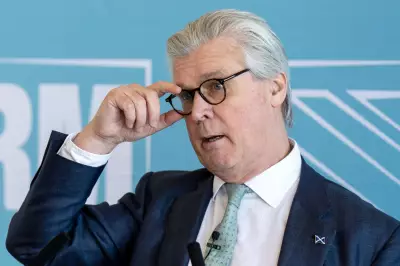
Prime Minister Sir Keir Starmer defended the UK's "deliberate" decision not to join the wave of strikes by the US and Israel on Iran, after President Trump expressed disappointment. Speaking in the House of Commons, Starmer responded, "It is my duty to judge what is in Britain's national interest. That is what I've done, and I stand by it." The government insisted Britain is not at war, but Starmer condemned Iran's "reckless" and "dangerous" actions and vowed to continue "defensive" actions in the region.
Israeli Prime Minister Benjamin Netanyahu claimed he and President Trump are saving the world from the threat of Iran, stating, "We set out to protect ourselves, but in doing so we protect many others." Iran's cabinet vowed that this "great crime will never go unanswered," and the paramilitary Revolutionary Guard threatened to launch its "most intense offensive operation" ever, targeting Israeli and American bases.