Legal Experts Question Legality of US-Israeli Strikes on Iran, UK's Role
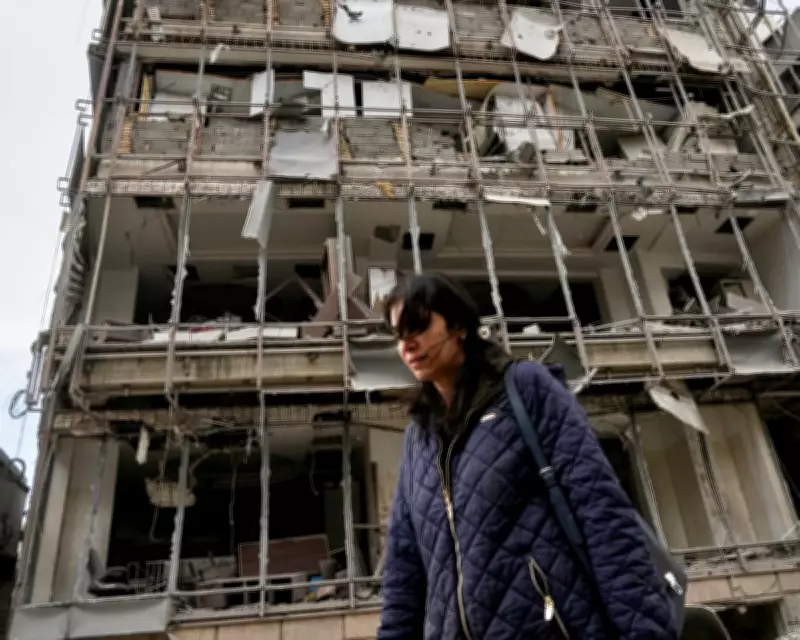
A woman walks past the damaged Gandhi hospital in Tehran, which was hit when a strike struck a state TV communications tower and nearby buildings. The US and Israeli attacks on Iran have reignited tensions in the region, prompting scrutiny of their lawfulness under international law. The UK, while not participating in the initial strikes, announced on Sunday that it would engage in "defensive action," raising further legal questions amid echoes of the 2003 Iraq invasion.
Were the Initial Strikes by the US and Israel Lawful?
Legal experts consulted by the Guardian unanimously agreed that the initial strikes were unlawful. Israeli President Isaac Herzog justified the attacks by citing Iran's alleged plans to develop a nuclear bomb, invoking Article 51 of the UN Charter, which permits self-defence against armed attacks. A broader interpretation allows force in response to an "imminent threat," but this remains contentious.
Susan Breau, a professor of international law and senior associate research fellow at the Institute of Advanced Legal Studies, noted, "Even the doctrine of imminent threat of use of force is very controversial. Academics are divided on what it actually means. But in this case, there doesn't seem to be any evidence of an imminent threat by Iran." Experts pointed to Donald Trump's past claim of obliterating Iran's nuclear programme as counter-evidence to any imminent danger.

Victor Kattan, an assistant professor of public international law at the University of Nottingham, added, "Having blood-curdling rhetoric or threatening violence in and of itself does not give a state the right to use pre-emptive force," challenging Herzog's emphasis on Iran's threats.
Is the UK's Position of Conducting a Defensive Operation Lawful?
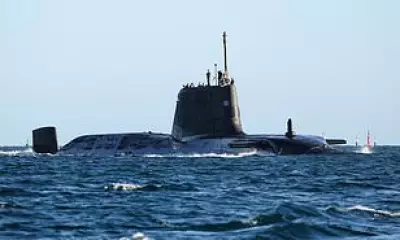
Legal experts were again unanimous but uncertain regarding the UK's defensive operation. The UK released a summary of its legal position, stating it is acting "in the collective self-defence of regional allies who have requested support." Under Article 51, intervention requires a request from the victim state.
The UK's statement detailed, "The UK has military assets flying in the region to intercept drones or missiles targeting countries not previously involved in the conflict. In addition, the UK has responded to a US request which will facilitate specific and limited defensive action against missile facilities in Iran which were involved in launching strikes at regional allies."
Philippe Sands, a professor of law at University College London, expressed concern, particularly if the action involves protecting US bases. He said, "If the United Kingdom base at Cyprus has been attacked, of course the United Kingdom can defend itself against such attacks, provided the response is proportionate. The argument that the United Kingdom is entitled to provide defensive support in relation to a use of force which is manifestly unlawful – as the attack on Iran by the US and Israel was – is, on its face, far more problematic, as is the distinction between a defensive or offensive use of force."
Is Iran in Breach of International Law in Its Response?
Following the attacks, Iran is entitled to respond against US and Israeli military bases in self-defence, as stated by its foreign minister, Abbas Araghchi. However, Iran has been accused of hitting a hotel and airport in Dubai, with Keir Starmer condemning "indiscriminate" attacks on non-combatant countries. Deliberate attacks on civilian targets are illegal under international humanitarian law, and targeting nations not involved in the conflict is also prohibited.
The situation underscores the complex legal landscape of modern conflicts, where actions and responses are scrutinised under international statutes designed to maintain global order and prevent escalation.