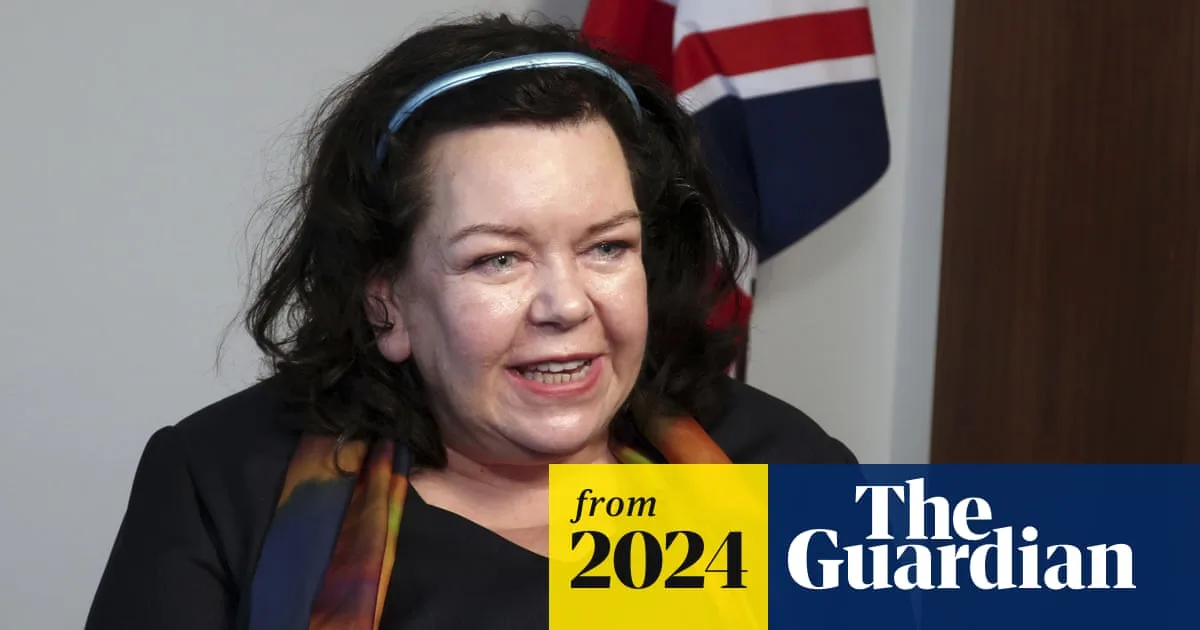
Dame Karen Pierce: The Trump Whisperer Pushed Aside for Mandelson's Washington Ambassadorship
Karen Pierce: Trump Whisperer Replaced by Mandelson in Washington

The Overlooked Diplomat: Dame Karen Pierce's Washington Tenure Cut Short

Amidst the ongoing controversy surrounding Peter Mandelson's appointment as Ambassador to Washington, a significant narrative has been largely ignored. While the focus has centred on Mandelson's past controversies, the displacement of Dame Karen Pierce from her role represents what many see as a profound misjudgement by the current government.

A Proven Track Record with Trump

Before Mandelson's controversial appointment, Dame Karen Pierce, 66, had established herself as an exceptionally effective diplomat in Washington. With a distinguished career spanning decades, including two previous tours in the American capital and a highly successful tenure as Britain's top diplomat at the United Nations, Pierce had earned the nickname The Trump Whisperer for her remarkable rapport with the former president.

Donald Trump himself described Pierce as fab, and her diplomatic skills proved invaluable during turbulent political moments. When David Lammy faced difficulties over historical tweets criticising Trump, it was Pierce who stabilised relations. Most notably, she secured an extended dinner meeting between Prime Minister Keir Starmer and Trump shortly after the latter survived an assassination attempt, laying the groundwork for what became an unlikely diplomatic connection.

The Mandelson Appointment: A Questionable Decision

The decision to replace Pierce with Peter Mandelson has raised serious questions about judgement within Starmer's inner circle, particularly chief of staff Morgan McSweeney, who acknowledges being a protégé of Mandelson. Critics argue this appointment overlooked Mandelson's twice-resigned history and questionable associations, while dismissing Pierce's proven effectiveness.

Pierce's diplomatic style – characterised as vivacious, bubbly yet steely – proved perfectly suited to navigating the Trump administration. Her approach stood in stark contrast to what many perceive as the boys' club mentality dominating Downing Street decision-making. Despite her achievements, Pierce was reassigned to the role of UK special envoy to the western Balkans shortly after leaving Washington, a move some interpret as diplomatic sidelining.

Broader Implications of Gendered Ageism

This situation highlights persistent issues of gendered ageism in professional environments, particularly within traditionally male-dominated spheres like diplomacy and government. Pierce's experience reflects a pattern where highly accomplished women in their sixties find their positions vulnerable to replacement by male counterparts, regardless of comparative qualifications or track records.

As Eleanor Mills notes, women who reach senior positions often possess exceptional capabilities, having navigated significant barriers to achieve their status. The current controversy represents what she describes as a self-inflicted wound for the Starmer administration, born from insufficient trust in experienced female professionals.

The Pierce-Mandelson succession raises fundamental questions about appointment processes, gender equality in leadership roles, and whether proven competence is being undervalued in favour of political connections within Britain's corridors of power.