The departure of Japan's last remaining giant pandas marks the end of an era for the nation's animal enthusiasts, as diplomatic strains between Tokyo and Beijing cast uncertainty over future panda exchanges. Twin pandas Xiao Xiao and Lei Lei, born at Tokyo's Ueno Zoo in 2021, have now returned to China, leaving Japan without these beloved black-and-white bears for the first time in half a century.
Emotional Farewell at Ueno Zoo
Japanese panda devotees gathered for a final public viewing at Tokyo's Ueno Zoo on Sunday, bidding an emotional farewell to the twin pandas before their Tuesday departure. Despite strict one-minute viewing limits in the panda enclosure, massive crowds formed to catch a last glimpse of Xiao Xiao and Lei Lei as they nibbled bamboo and ambled around their habitat.
Visitors, many carrying panda-themed toys and souvenirs, called out the bears' names while capturing final moments on their smartphones. The scene represented a poignant chapter in Japan's long-standing affection for these charismatic creatures, who have served as unofficial cultural ambassadors between the two nations since 1972.

Decades of Panda Diplomacy
China first gifted pandas to Japan in October 1972, just one month after the normalization of diplomatic relations between the two countries. The initial pair, Kang Kang and Lan Lan, arrived at Ueno Zoo and immediately captured Japanese hearts, with approximately a dozen successors becoming national celebrities over subsequent decades.
Beijing maintains ownership of all pandas lent to other nations, including any offspring born abroad. While China initially gifted pandas to Western nations including the United States, France, Britain and Germany during the 1970s, the program shifted to leasing arrangements in the 1980s, with participating zoos paying annual fees for conservation and research programs.
Political Tensions Impact Future Exchanges
The prospects for Japan receiving replacement pandas appear increasingly uncertain as political, trade and security tensions between Tokyo and Beijing reach their lowest point in years. Recent remarks by Japanese Prime Minister Sanae Takaichi regarding potential intervention should China take action against Taiwan have further strained relations.
Historical territorial disputes in the East China Sea, coupled with China's growing regional influence and security concerns, have created a complex diplomatic landscape. The situation has become sufficiently strained that China has delayed approval of a replacement Japanese consul in Chongqing for over a month, according to Japan's top government spokesperson Minoru Kihara.
Economic and Cultural Impact
The absence of pandas from Japanese zoos carries significant economic implications. According to Katsuhiro Miyamoto, an economics professor at Kansai University, Ueno Zoo alone could face annual losses of approximately 20 billion yen (about $128 million) without pandas. If the situation persists for several years, the negative economic impact could reach tens of billions of yen.
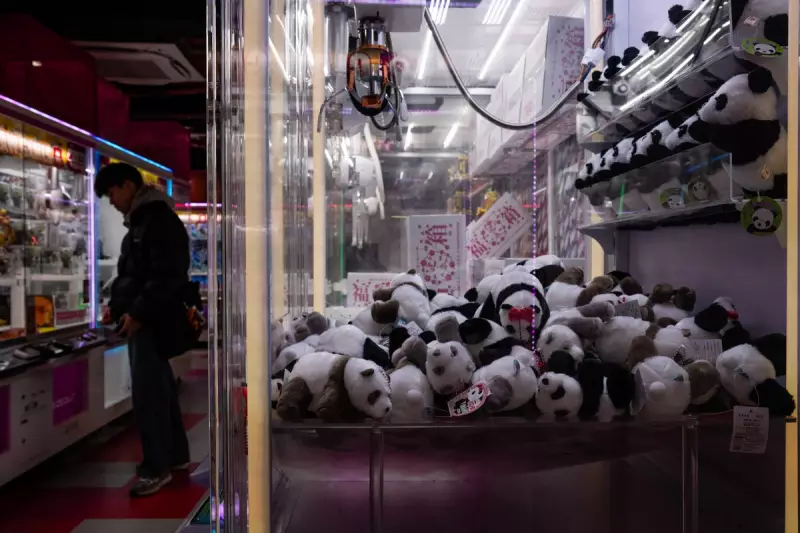
Panda imagery permeates Japanese culture around Ueno, appearing as cookies, sweets, stuffed dolls, stationery, photo books and even statues outside train stations. Department stores maintain dedicated panda goods sections, while souvenir shops feature panda-themed merchandise as central attractions.
"Pandas are a symbol of Ueno, a star," explained Asao Ezure, manager of a souvenir shop in the area. "We worry how the pandas' absence will affect us." Despite concerns, Ezure remains optimistic, keeping a cartoon of Xiao Xiao and Lei Lei on his shop signboard in anticipation of their eventual return.
Devoted Fans Mourn the Departure
For dedicated panda enthusiasts like Takahiro Takauji, a web engineer who has taken over 10 million panda photographs, the departure represents a profound personal loss. Takauji, who began visiting Ueno Zoo daily fifteen years ago after falling in love with the twins' parents Shin Shin and Ri Ri, considers Xiao Xiao and Lei Lei "just like my own children."

During the final one-minute viewing session, Takauji captured approximately 5,000 still shots of the pandas, later uploading selections to his blog "Every Day Pandas." His Tokyo home features a room adorned with dozens of panda mascots and ornaments, testament to his enduring devotion.
"I never imagined there would come a day when pandas would be gone from Japan," Takauji reflected, echoing sentiments shared by many Japanese citizens who have grown up with these charismatic animals as part of their cultural landscape.
Diplomatic Uncertainties
Chinese Foreign Ministry spokesperson Guo Jiakun, when questioned about future panda exchanges with Japan, noted that "giant pandas are loved by many in Japan" while inviting Japanese friends to visit pandas in China. This diplomatic response underscores the current complexities surrounding panda diplomacy between the two nations.
Historical precedents suggest pandas can become entangled in political disputes. Following the 2011 earthquake and tsunami disaster, plans to bring a panda to Sendai were shelved in 2012 amid territorial disagreements between Japan and China.
As Japan adjusts to its first panda-free reality in fifty years, the future of these cultural exchanges remains uncertain, dependent on diplomatic relations that show little immediate sign of improvement. For now, Japanese panda lovers must content themselves with memories and hopes for eventual reconciliation between the two nations.