Japan's Last Pandas Depart for China as Diplomatic Ties Cool
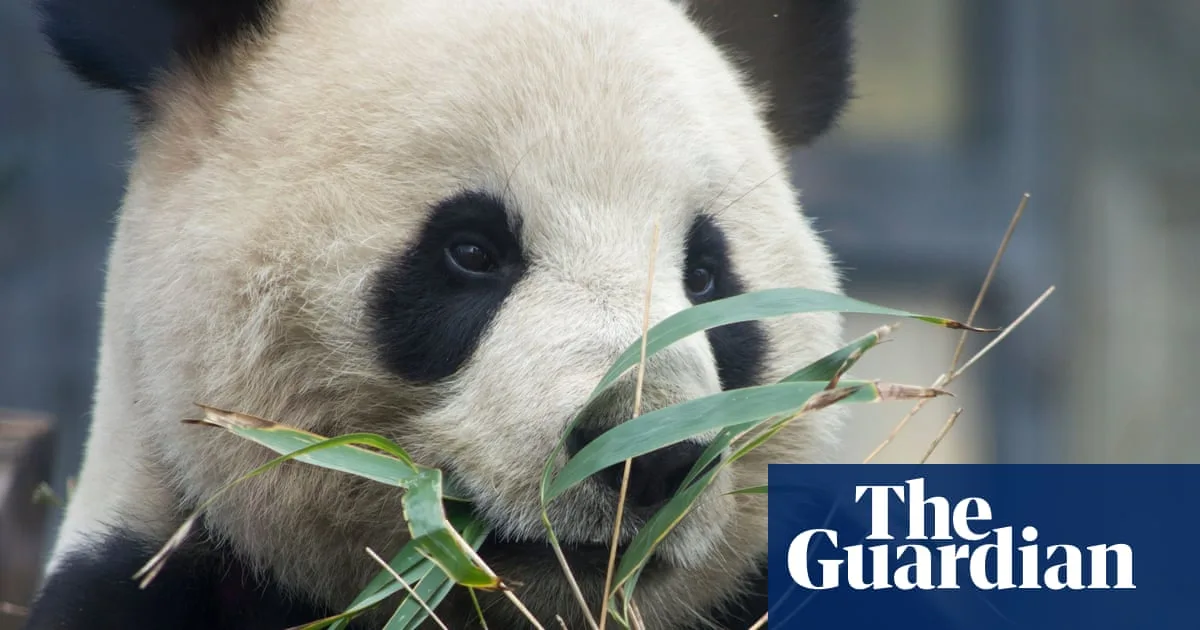
Hundreds of people gathered in Tokyo to bid an emotional farewell to the twin giant pandas Lei Lei and Xiao Xiao as they departed from the Ueno Zoological Gardens for China. This event leaves Japan without any of these beloved bears for the first time in half a century, coinciding with a period of strained relations between the two Asian neighbours.
Emotional Scenes at Ueno Zoo
Well-wishers, many adorned in panda-themed attire such as jackets, hats, and badges, waited for hours on the streets surrounding the zoo to catch a final glimpse of the animals. As a windowless truck transported the pandas away, fans called out to them, expressing their sadness. Nene Hashino, a woman in her 40s wearing a panda jacket and clutching a stuffed toy, told AFP, "I've been coming to watch them since they were born. It feels like my own children are going somewhere far away. It's sad." Similarly, Daisaku Hirota, a 37-year-old shop worker, remarked, "I lost one part of my heart," highlighting the deep attachment many Japanese have formed with the four-year-old twins.
Diplomatic Background to the Repatriation
The pandas' return was announced abruptly last month amid a diplomatic spat triggered by Japanese Prime Minister Sanae Takaichi's comments suggesting Tokyo could intervene militarily if Taiwan were attacked. Beijing, which considers Taiwan part of its territory, responded with displeasure. Lei Lei and Xiao Xiao were part of China's "panda diplomacy" programme, symbolising friendship since Japan and China normalised ties in 1972. According to the Tokyo Metropolitan Government, their repatriation comes a month before their loan period expires in February. China's foreign ministry spokesperson, Guo Jiakun, stated, "According to the relevant agreement between China and Japan, the giant pandas who were living in Japan, Xiao Xiao and Lei Lei, today began their return trip to China. As always, we welcome the Japanese public to come see giant pandas in China."
Public Reaction and Future Prospects
On Sunday, Ueno zoo allowed 4,400 lucky winners of an online lottery to see the pandas for the last time, drawing large crowds. A weekend poll by the Asahi Shimbun newspaper revealed that 70% of respondents do not believe the Japanese government should negotiate with China for new pandas, while 26% support such efforts. Japan has reportedly been seeking to lease a new pair, but the current political climate complicates this. Masaki Ienaga, a professor at Tokyo Woman's Christian University and an expert in East Asian international relations, noted that while China routinely recalls pandas from foreign countries, the timing might not be solely political. "If you talk about (Chinese) politics, the timing of sending pandas is what counts," he said, suggesting pandas could return if bilateral ties improve. He added that pandas are unique in diplomacy due to their strong drawing power and revenue potential, unlike other animals used by countries like Thailand with elephants or Australia with koalas.
Broader Context of Sino-Japanese Relations
The panda departure occurs against a backdrop of broader tensions. Since late last year, China has discouraged its nationals from travelling to Japan, citing concerns over public security and criminal acts against Chinese nationals. Additionally, reports indicate that Beijing is restricting exports of rare-earth products to Japan, which are crucial for manufacturing items from electric cars to missiles. These developments underscore the cooling of relations, though experts like Ienaga caution against viewing the panda repatriation as purely politically motivated, noting it could be part of standard procedures.
The twins, born in 2021 to their mother Shin Shin—who arrived in 2011 and was returned to China in 2024 due to declining health—have become iconic figures in Japan. Their departure marks a significant moment in the long history of panda diplomacy, reflecting the current state of Japan-China relations while leaving many Japanese fans heartbroken.