J Balvin Defends Bad Bunny's Super Bowl Performance Amid Language Barrier Criticism
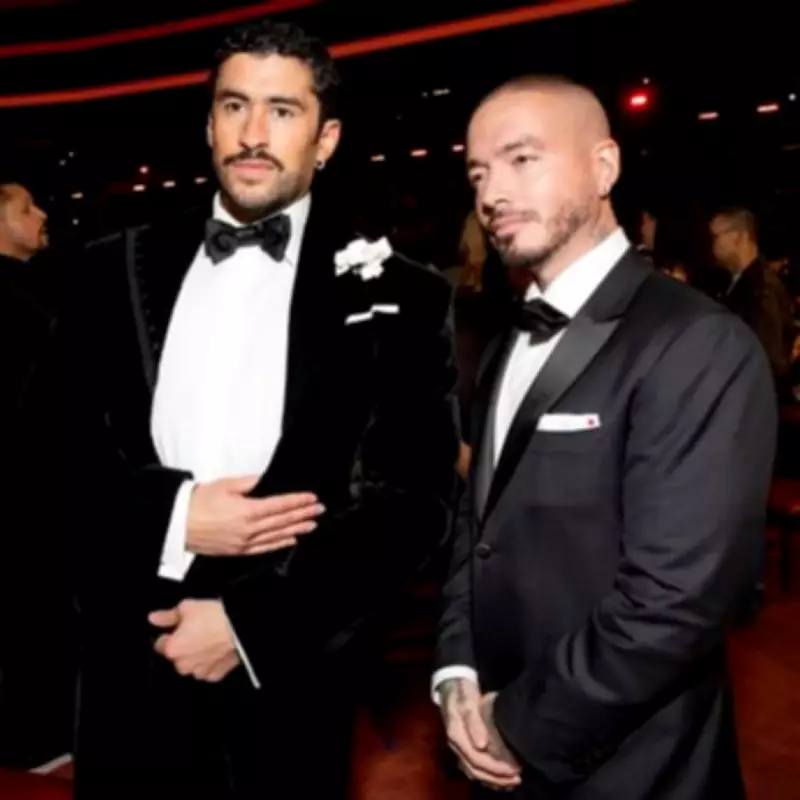
Colombian singer J Balvin has come to the defence of his close friend Bad Bunny, urging English-speaking NFL fans to embrace the upcoming Super Bowl halftime show despite the language barrier. Bad Bunny, whose real name is Benito Antonio Martínez Ocasio, is set to perform at Super Bowl LX in Santa Clara, California, on Sunday, marking a historic moment as the first artist to headline the show with songs primarily in Spanish.
Historic Grammy Win Fuels Anticipation and Controversy
The Puerto Rican rapper, aged 31, recently made history at the Grammys by winning Album of the Year for a record sung entirely in Spanish, adding to the buzz around his Super Bowl appearance. However, his selection by the NFL has sparked significant backlash from some American fans, who are furious over the predominance of Spanish lyrics in his music. This criticism has been amplified by Bad Bunny's outspoken political views, particularly his opposition to US immigration policies, which has drawn ire from figures including former President Donald Trump.
Bad Bunny has been vocal in his calls for US Immigration and Customs Enforcement (ICE) officers to adopt a more compassionate approach, urging them to "leave cities alone and opt for love" during his Grammy acceptance speech. This has led to speculation that he may make a political statement during the halftime show, especially given ICE's deployment of about 2,000 federal agents in cities like Minnesota and Minneapolis as part of Trump's mass deportation initiative.

J Balvin's Advice: Embrace the Music Without Understanding Lyrics
In an interview with TMZ, J Balvin, who is rumoured to appear as a surprise guest during the show, addressed concerns about the language barrier. He shared his personal experience, stating, "I learned and grew up listening to hip-hop. I didn’t know what they were saying. I would just vibe with it. They just gotta jump on the flavor, that’s all they gotta do." His message emphasises that fans do not need to understand the lyrics to enjoy the performance, encouraging them to focus on the music's energy and rhythm.
Bad Bunny has admitted to feeling the pressure ahead of the performance, revealing that he has been struggling to sleep. He said, "Thinking about the Super Bowl at 4am, that's what I've been doing. It's been hard to not. I'm happy but I'm just processing, taking one day at a time. I just try to take it easy. Wake up, work out, drink my coffee, try not to think too much about it. Last night I couldn't sleep, I was thinking about it. I want to think it's 13 minutes of doing what I love, what I like. I know I'm gonna have fun."
Broader Implications for Music and Culture
The controversy highlights broader issues around language and representation in major cultural events. Bad Bunny's performance is poised to be one of the most-watched broadcasts globally, potentially setting a precedent for more diverse acts in future Super Bowl shows. Despite the criticism, his historic Grammy win and massive fan base suggest that the halftime show could be a landmark moment for Latin music on an international stage.
As the countdown to Sunday continues, all eyes will be on Santa Clara to see how Bad Bunny navigates the high-stakes performance, balancing his artistic expression with the political undertones that have already stirred debate. J Balvin's supportive words aim to bridge the gap, reminding audiences that music transcends language barriers and inviting everyone to simply vibe with the experience.