Netanyahu's Chilling Threat to Extend Israeli Buffer Zone into Lebanon
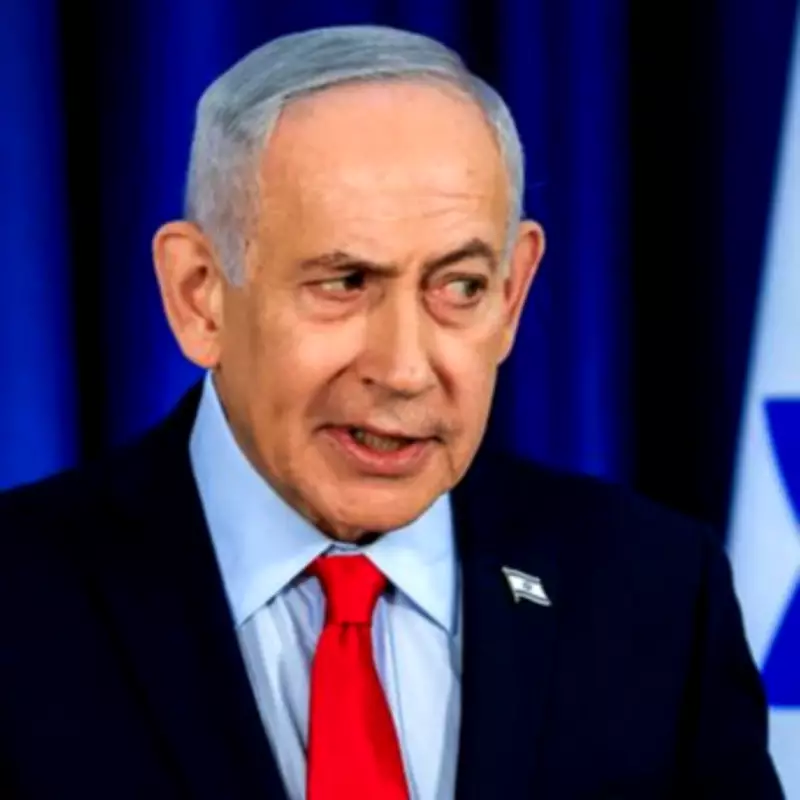
Israeli Prime Minister Benjamin Netanyahu has issued a stark warning, vowing to extend Israel's "buffer zone" into southern Lebanon as the ongoing conflict with Hezbollah and Iran continues to escalate. In a chilling statement, Netanyahu declared that his military would "break boundaries in every sense of the word," signaling a potential expansion of Israeli territorial control.
New Maps Reveal Potential Territorial Changes
A newly released map illustrates what this "larger buffer zone" might encompass, following Netanyahu's threats to seize land in the neighbouring nation. The proposed expansion comes amid heightened tensions, which intensified after Hezbollah launched retaliatory attacks on Israel. These attacks were in response to strikes by Netanyahu and former US President Donald Trump on Iran, which resulted in the death of the supreme leader on February 28.
Netanyahu has framed his latest plans as a direct response to Israel's broader conflict with Iran, stating: "We are simply creating a larger buffer zone. Now, dismantling Hezbollah is our focus. This is related to the overall campaign with Iran, which is still ongoing contrary to what has been reported in the media, but it is our intention to do everything to fundamentally change the situation in Lebanon."

Military Strategy and Territorial Ambitions
In a meeting with Israel's military chief of staff, Defence Minister Israel Katz outlined the strategic objectives, asserting that Israeli forces would "control the remaining bridges and the security zone up to the Litani"—a river in Lebanon located approximately 20 miles north of the border with Israel. Katz further explained that bridges over this river have been destroyed, and the Israel Defence Forces (IDF) intend to control any remaining structures, alleging that Hezbollah has used them to transport weapons into southern Lebanon.
Netanyahu elaborated in a video statement, saying: "We have created a genuine security zone preventing any infiltration toward the Galilee and the northern border. We are expanding this zone to push the threat from anti-tank missiles further away and to establish a broader buffer zone."
Political Support and International Reactions
Adding to the controversy, Israel's far-right Finance Minister Bezalel Smotrich called for his country to "apply sovereignty" to parts of southern Lebanon, a move that has sparked international concern. This comes as Israel continues its military campaign against Iran and Hezbollah, despite mixed messages from Donald Trump regarding whether the US seeks to end or prolong the conflict.
On Tuesday, the Pentagon deployed US ground troops to the Middle East while negotiators simultaneously presented Iran with a 15-point peace plan. However, Trump's stance remains ambiguous; he commented: "They [Iran] are begging to work out a deal. I don’t know if we’ll be able to do that. I don’t know if we’re willing to do that. They should have done that four weeks ago. They should have done it two years ago."
Furthermore, tensions have emerged between Trump and Netanyahu after the Israeli leader suggested that the US encourage street uprisings to challenge the Iranian regime. In a recent telephone conversation, Trump reportedly told Netanyahu: "Why the hell should we tell people to take to the streets when they'll just get mowed down."
The situation remains volatile, with ongoing strikes and military movements, including recent Israeli attacks in southern Lebanon that have caused significant damage and raised fears of a broader regional conflict.