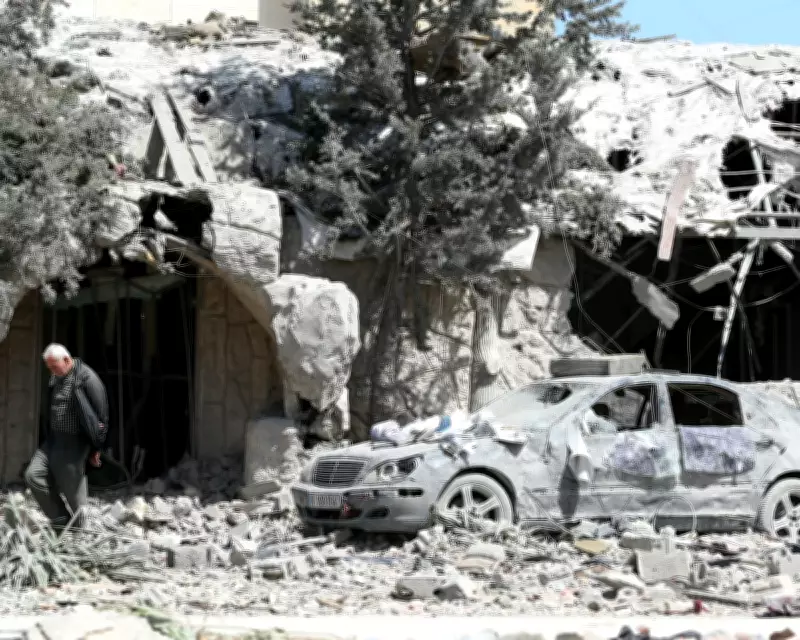
Israeli Airstrikes Target Lebanon Amid Heightened Regional Tensions
Israeli military forces launched a series of airstrikes into Lebanese territory, marking a significant escalation in cross-border hostilities. The bombings targeted areas in southern Lebanon, with reports indicating damage to infrastructure and raising concerns about civilian safety. This aggressive move comes as diplomatic efforts to broker a ceasefire in the broader Middle East region face mounting challenges.
US and Iran Exchange Condemnations Over Ceasefire Stance
In response to the escalating violence, the United States and Iran have engaged in a war of words, each condemning the other's position on ceasefire negotiations. US officials criticized Iran for what they described as obstructive behavior in peace talks, while Iranian representatives accused the US of bias and failing to address Israeli actions adequately. This public clash underscores the deep-seated geopolitical rivalries complicating efforts to de-escalate the conflict.
The airstrikes in Lebanon have drawn international attention, with analysts warning that such actions could trigger a broader regional confrontation. Observers note that the timing of the bombings coincides with fragile ceasefire discussions, potentially undermining diplomatic progress. The situation remains fluid, with both sides mobilizing forces and issuing stern warnings.

Impact on Civilian Populations and Regional Stability
Reports from the ground suggest that the Israeli airstrikes have caused disruptions to daily life in affected Lebanese communities, with local authorities scrambling to assess the extent of the damage. Humanitarian organizations have expressed alarm over the potential for civilian casualties and displacement, calling for restraint from all parties involved. The bombings have also reignited fears of a wider conflict, reminiscent of past clashes between Israel and Hezbollah in Lebanon.
As tensions simmer, international bodies are urging for an immediate de-escalation and a return to dialogue. The US and Iran, as key players in the region, face mounting pressure to set aside their differences and work towards a sustainable ceasefire. However, with both nations entrenched in their positions, the path to peace appears increasingly fraught with obstacles.
In summary, the Israeli bombing of Lebanon has intensified regional instability, while the US-Iran condemnation exchange highlights the diplomatic hurdles in achieving a ceasefire. The situation demands urgent international intervention to prevent further escalation and protect civilian lives.