US Intelligence Assesses Iranian Regime's Resilience Amidst Sustained Attacks
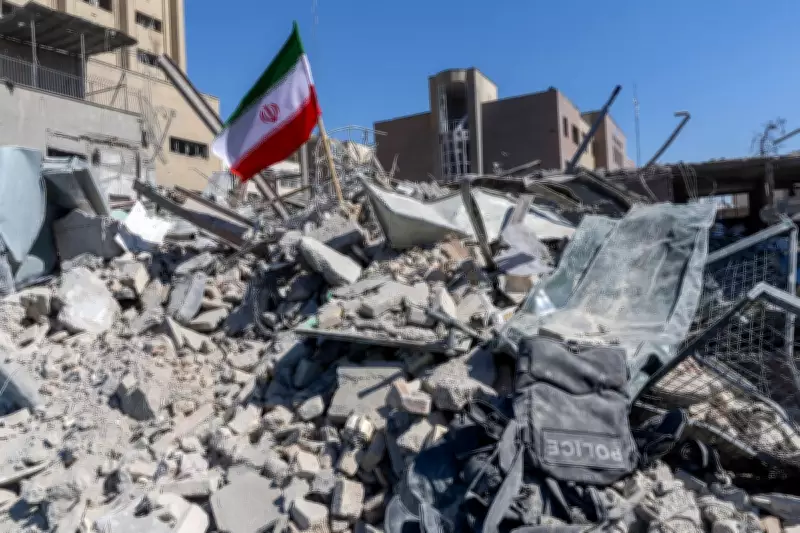
According to recent US intelligence assessments, the Iranian regime is likely to maintain its grip on power despite enduring more than two weeks of intensive US-Israeli military strikes. These attacks have resulted in significant casualties, with at least 2,000 people reported killed, and have inflicted widespread damage on key military installations across Iran.
Contradictions in Public Statements and Intelligence Findings
The intelligence reports directly contradict the public declarations made by former US President Donald Trump and Israeli Prime Minister Benjamin Netanyahu, who have both openly vowed to achieve regime change in Iran. Officials familiar with the matter state that, contrary to these assertions, the Iranian regime is not currently in imminent danger of collapse.
This stability persists even after the deaths of several top Iranian military and intelligence leaders, including the Supreme Leader, during the conflict. The regime's control mechanisms and internal structures appear to have withstood the onslaught, according to classified briefings.
White House War Goals and Regional Escalation
Senator Chris Murphy of Connecticut has indicated that White House briefings confirm the administration's strategic objectives in this conflict do not include the destruction of Iran's nuclear programme or the forced overthrow of its government. This clarification highlights a potential disconnect between military actions and stated political aims.
The conflict has extended beyond Iran's borders, impacting Gulf states as well. A recent drone strike hit an oil facility in Fujairah, underscoring the regional spillover effects. Intelligence sources report that Trump was warned prior to the attacks that targeting Iran could provoke retaliatory strikes against US allies in the Gulf, a risk that has now materialised.
Analysis of Regime Durability and Future Implications
The resilience of the Iranian regime in the face of such sustained military pressure raises important questions about the effectiveness of current strategies. Key factors contributing to this stability may include:
- Robust internal security apparatus and loyalist forces.
- Decentralised command structures that can adapt to leadership losses.
- Significant popular support or effective suppression of dissent.
- Strategic depth and preparedness for prolonged conflict scenarios.
This intelligence assessment suggests that further military escalation may not achieve the desired political outcomes, potentially leading to a protracted stalemate with severe humanitarian and geopolitical consequences. The situation continues to evolve, with ongoing monitoring of Iran's internal dynamics and regional responses.