Iran Dismisses Ceasefire Proposal as Trump's Deadline for Infrastructure Strikes Approaches
Tehran has formally rejected a 45-day ceasefire proposal, insisting instead on a permanent conclusion to the ongoing conflict, as the deadline set by U.S. President Donald Trump for a deal rapidly approaches. The ultimatum, which expires on Tuesday at 8 p.m. EST, now includes an expanded threat of American strikes targeting all power plants and bridges across Iran.
Trump's Defiant Stance and International Warnings
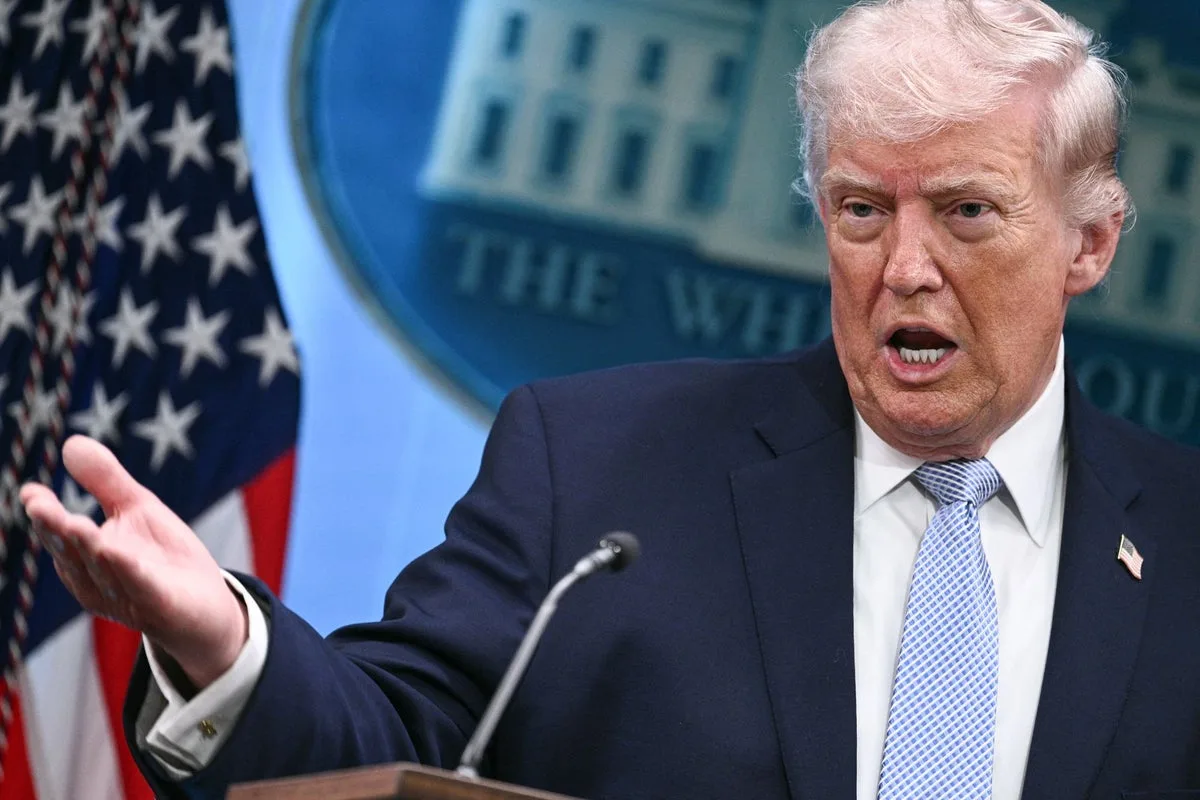
President Trump stated on Monday that he is "not at all" concerned about potential accusations of war crimes, reiterating his threat to destroy Iranian infrastructure if Tehran fails to reopen the Strait of Hormuz by the deadline. This stance has drawn sharp criticism from the United Nations, with Secretary-General António Guterres warning through a spokesperson that attacks on civilian infrastructure are explicitly prohibited under international law.
Regional Violence Intensifies with Mounting Casualties
The conflict has escalated significantly, with Israel launching a new wave of attacks on Iran early Tuesday, and Iran retaliating with missile fire directed at Israel and its Gulf Arab neighbours. The human cost continues to rise alarmingly.
Casualty reports include:
- More than 1,900 fatalities in Iran since the war's inception, though official tolls have not been updated for days.
- Over 1,400 people killed in Lebanon, with more than 1 million displaced.
- Eleven Israeli soldiers confirmed dead in Lebanon.
- More than two dozen fatalities across Gulf Arab states and the occupied West Bank.
- Twenty-three reported deaths in Israel and thirteen U.S. service members killed.
Israeli Military Issues Direct Warning to Iranian Civilians
In a move likely signalling new airstrike targets, the Israeli military issued a direct warning in Farsi on Tuesday, urging Iranians to avoid train travel until at least 9 p.m. local time. The warning, posted on social media platform X, stated, "Your presence puts your life at risk."
This communication faces significant hurdles, as Iran has maintained an internet blackout for weeks, severely limiting access for ordinary citizens. However, Farsi-language satellite news networks broadcasting from abroad are relaying these warnings, allowing the information to filter back into the country.
South Korea's Diplomatic Push to Secure Oil Supplies
Amid the escalating energy crisis triggered by the Middle East conflict, South Korean President Lee Jae Myung is deploying his chief of staff, Kang Hoon-sik, as a special envoy. The diplomatic mission, departing Tuesday evening, will visit Kazakhstan, Oman, and Saudi Arabia in an urgent effort to secure additional crude oil and naphtha supplies.
This initiative is critical for South Korea's economy, as over 60% of its crude oil and 50% of its naphtha imports last year transited through the Strait of Hormuz. The strait remains largely blocked by Iran as a strategic lever against the U.S. and Israel. South Korea recently secured an agreement with the United Arab Emirates for 24 million barrels of crude, with initial shipments already arriving.
Key Bridge Closure and Saudi Infrastructure Under Threat
The King Fahd Causeway, a vital 25-kilometer (15.5-mile) bridge connecting Saudi Arabia to Bahrain, was closed early Tuesday due to threats of Iranian attacks. The causeway authority announced the suspension of vehicle traffic "as a precautionary measure" following Iranian missile targeting of Saudi Arabia's Eastern Province.
This bridge is Bahrain's sole road link to the Arabian Peninsula and is strategically significant, housing the U.S. Navy's 5th Fleet. While no formal threat has been issued against the causeway, hard-line factions within Iran have increasingly identified it as a potential target, a risk that could escalate if Trump proceeds with his threatened strikes on Iranian bridges.
Saudi Arabia Reports Ballistic Missile Attacks
Saudi Arabia confirmed early Tuesday that seven ballistic missiles from Iran struck its oil-rich Eastern Province. Major General Turki al-Malki, a military spokesman, reported that "debris from the missiles" impacted near energy facilities, though the extent of damage remains unclear as assessments are ongoing. The statement did not specify which energy infrastructure was affected, highlighting the precarious security situation for critical regional assets.