
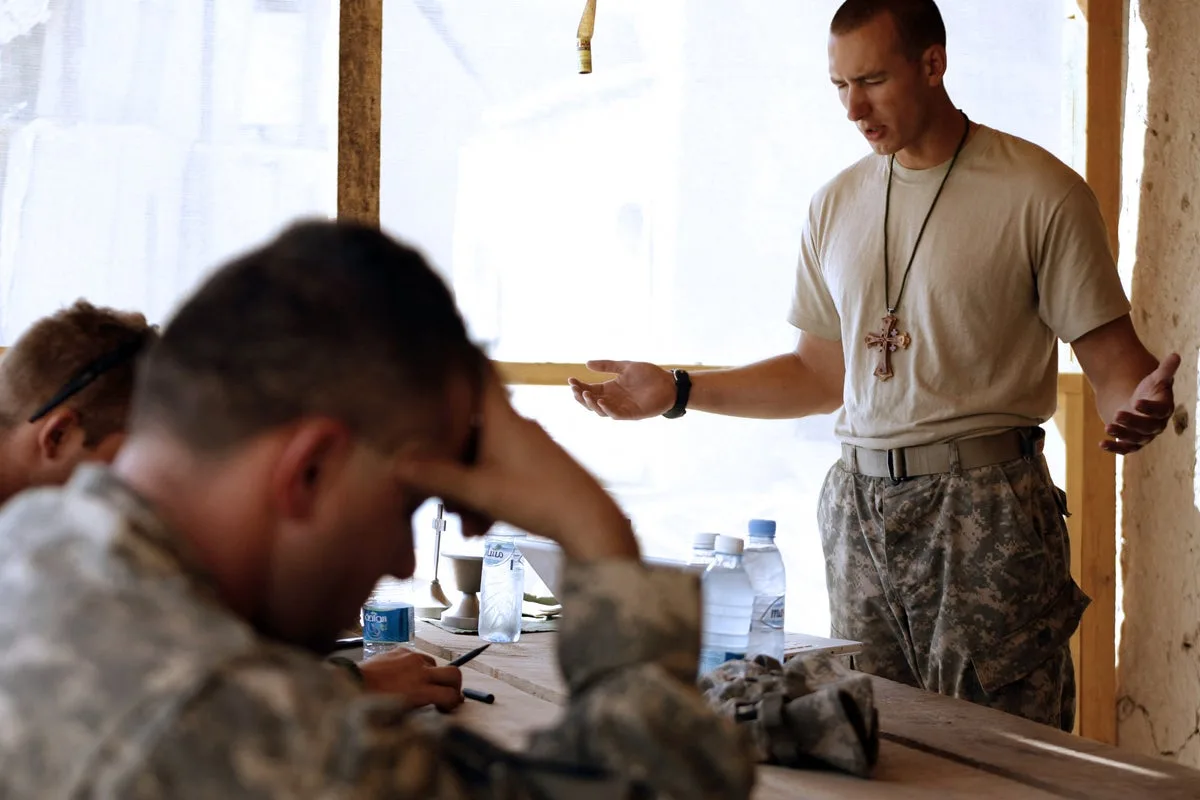
The Pentagon has reduced the number of officially recognised faiths and belief systems from approximately 211 to just 31, according to a May memo obtained by Military.com. The changes, signed by Under Secretary of Defense for Personnel and Readiness Anthony Tata, aim to provide chaplains with clearer information to support service members' religious needs.
The new list retains major faiths such as Christianity, Islam, Judaism, Hinduism, Buddhism, and Sikhism, as well as Agnosticism. However, it drops belief systems including Atheism, Asatru, Deism, Druidry, Eckankar, Heathenry, Humanism, Magick, New Age churches, Paganism, Rosicrucianism, Shamanism, Spiritualism, Troth, Unitarian Universalism, and Wicca.
Secretary of Defense Pete Hegseth, who has promoted Christian prayer in military settings, defended the cuts, stating that the previous system was impractical and that most service members use only six codes. Hegseth has faced criticism for his religious advocacy, including leading Christian prayer services at the Pentagon and quoting Bible verses in official contexts.
Critics argue the changes violate the First Amendment's guarantee of religious freedom. A veteran Army chaplain described the reduction as a 'tragedy and travesty' and a constitutional violation. Religion scholar Matthew D. Taylor warned that Hegseth's leadership during conflicts with Muslim-majority nations raises concerns about religious bias.
Hegseth's past comments defending the Crusades and his Christian tattoos featuring Crusader imagery have also drawn scrutiny. A fellow service member once flagged him as a potential 'insider threat' due to the tattoos, which are similar to symbols used by white supremacist groups.




