Iran Offers Spain Strait of Hormuz Passage, Citing Its 'Non-Hostile' Stance
Iran Offers Spain Strait of Hormuz Passage as 'Non-Hostile'

Iran Signals Readiness to Permit Spanish Ships Through Strait of Hormuz

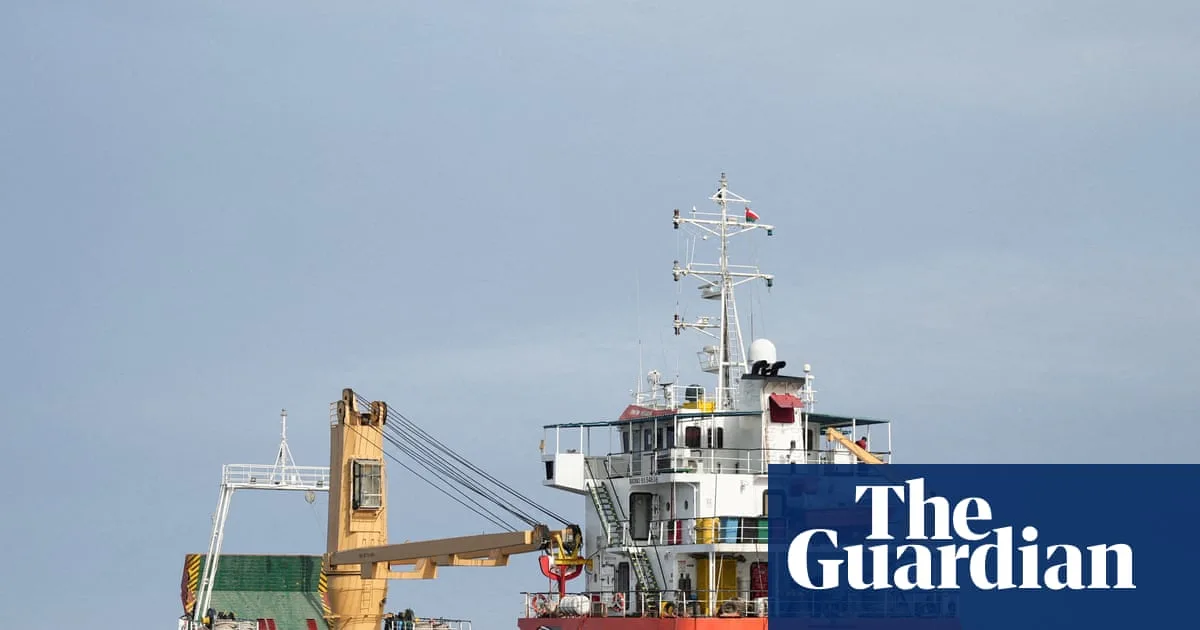
In a significant diplomatic development, Iran has indicated it is prepared to allow Spanish vessels to transit the strategically crucial Strait of Hormuz. The Iranian Embassy in Spain made this announcement via a social media post, explicitly stating that Iran views Spain as a nation dedicated to upholding international law. This gesture of receptiveness comes as Iran maintains firm control over the narrow waterway, a situation that has precipitated considerable turmoil in global energy markets since the onset of recent conflicts.

Diplomatic Posturing Amidst Regional Tensions

The embassy's post declared, "BREAKING NEWS: Iran considers Spain a country committed to international law, so it shows receptiveness to any request coming from Madrid. #EstrechoDeOrmuz". This communication follows closely on the heels of Spanish Prime Minister Pedro Sanchez's condemnation of the war in Iran as "illegal." In a parliamentary address, Sanchez articulated his government's firm opposition, asserting, "Every bomb that falls in the Middle East hits the wallets of our families." Spain has notably abstained from supporting military actions in the region, setting itself apart from other Western nations like France, Germany, and the United Kingdom, which have undertaken defensive measures in response to Iranian activities.

Impact on Global Energy Supply and Market Chaos

Iran's sustained dominance over the Strait of Hormuz has had profound repercussions worldwide. According to data from Kpler, the disruption has led to an estimated daily shortfall of 4.3 million barrels of oil. Given that approximately one-fifth of the planet's oil and gas traverses this chokepoint, the ramifications are severe, particularly for import-dependent Asian economies. The Philippines has recently declared an energy crisis, reporting only 45 days of fuel reserves as of March 20. Consequently, the nation's energy regulator suspended its wholesale electricity spot market across all grids due to acute fuel supply risks.

Wide Pickt banner — collaborative shopping lists app for Telegram, phone mockup with grocery list

Navigating the Strait: Selective Passage and Adjusted Routes

Despite Iran's tight grip, maritime traffic has not ceased entirely. Analysis from Kpler reveals that vessels associated with nations perceived as friendly are successfully navigating the strait via an altered course. This adjusted route, which skirts around Larak Island, suggests Iran is selectively guiding certain ships through a safer passage. Recent instances include a Thai oil tanker that transited safely following diplomatic coordination between Thailand and Iran. Similarly, Malaysia's prime minister confirmed that Malaysian vessels are being permitted passage, indicating a gradual loosening of restrictions for some countries through diplomatic channels.

International Reactions and Broader Context

In a related development, former US President Donald Trump suggested that Iran allowed ten oil tankers, including some flying the Pakistani flag, to pass through the strait as a goodwill gesture during negotiations. This claim remains unverified. Meanwhile, Spanish Foreign Minister José Manuel Albares reiterated in early March that Spain advocates unequivocally for de-escalation and a return to diplomatic negotiations. He emphasized, "A logic of violence, as we are seeing, only leads to a spiral of violence, and unilateral military actions outside the United Nations Charter, outside any collective action, have no clear objective. Europe must defend international law, de-escalation, and negotiation."

The State of Spanish Shipping

The potential for Spanish vessels to gain access to the Strait of Hormuz is particularly noteworthy given the current state of Spain's merchant fleet. As of June 2025, the Spanish-flagged fleet has dwindled to its smallest size in two decades, comprising just 91 vessels. Among these, only six are oil tankers and thirteen are gas carriers, according to the latest report from the Spanish Shipowners Association. This context underscores the strategic importance of securing unhindered passage for the nation's limited maritime assets.

Pickt after-article banner — collaborative shopping lists app with family illustration




