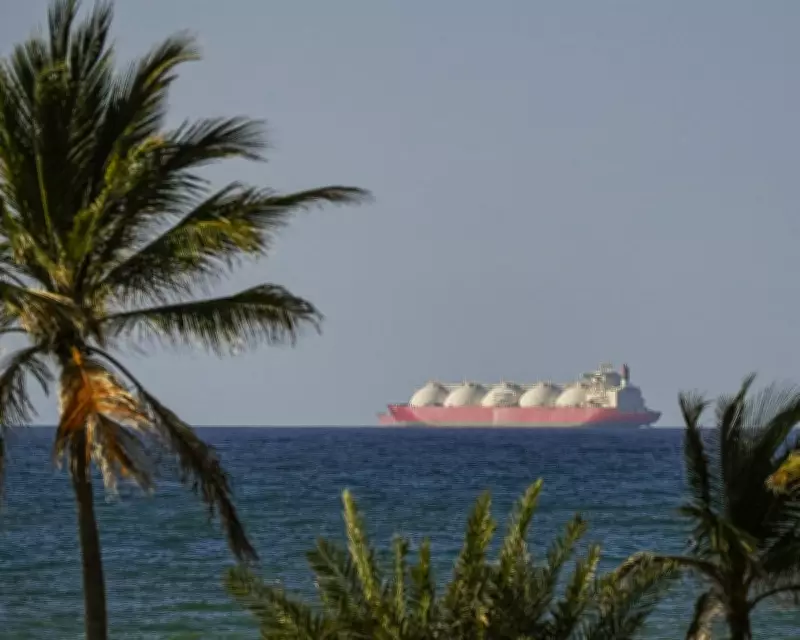
Iran Announces Closure of Vital Waterway Following Israeli Military Action
By Wednesday evening, Iranian state media reported that the strategic Strait of Hormuz had been closed. This dramatic announcement came in direct response to what was described as a brutal assault by Israel on Lebanon, involving approximately one hundred strikes within a mere ten-minute period. The closure of this critical maritime passage marks a significant escalation in regional tensions, threatening global oil supplies and trade routes.
A Fragile Ceasefire Amidst Claims and Counterclaims
The development unfolded against the backdrop of a newly announced two-week ceasefire, brokered by former US President Donald Trump. Both the United States and Iran had publicly claimed victory following the ceasefire declaration, but these assertions were widely viewed as misleading. Trump proclaimed that Iran had undergone regime change and that the Strait of Hormuz would remain open, statements contradicted by the immediate reality on the ground. Iran countered, stating that ship passage would require explicit permission and would come at a significant cost, a position now overtaken by the reported closure.
The conflict has exacted a horrific human toll, resulting in the deaths of thousands across the region, including numerous children. It has left countless more individuals exhausted, terrified, and deeply traumatised. Aggressors in the conflict have openly boasted of their intent to commit war crimes, further destabilising an already volatile situation.

Strategic Failures and Regional Repercussions
The war has proven to be a strategic quagmire for multiple actors. The United States has squandered tens of billions of dollars, depleted its interceptor missile stocks, and severely damaged relations with key allies. Domestically, the conflict has spooked financial markets, contributed to rising prices, and shown signs of fracturing Trump's political base.
Israel, having persuaded the US to join forces against Iran, finds itself having achieved none of its stated military or political objectives. Instead, it is left confronting a weaker yet more unpredictable Iranian adversary. The assault has further wrecked Israel's relations with Gulf states and turned US public opinion, already critical due to the war in Gaza, more decisively against it.
While the Iranian regime may count its survival as a form of success, the cost has been staggering. Senior leaders have been killed, its already battered economy is on its knees, and essential national infrastructure lies in ruins. The Iranian people now face the prospect of even greater internal repression.
Broader Consequences and the Search for Stability
The conflict has normalised dangerous rhetoric about war crimes and further eroded the concept of a rules-based international order. Restrictions on maritime transit will continue to severely hamper humanitarian aid operations and drive up prices worldwide, with the most devastating impact felt by the poorest global communities.
Gulf powers are left furious, having opposed the war's initiation but now facing a US withdrawal that leaves behind a more antagonistic and still-dangerous Iran. Their reputations as safe havens for tourism and foreign investment have been shredded, and their key sea artery remains choked.
The only clear beneficiaries appear to be arms manufacturers and geopolitical rivals like Russia, which has seen its coffers refilled with elevated oil revenues, and China, which now appears as a more stable and predictable power in contrast to a US pivoting away from the Pacific.
This conflict represents a profound strategic defeat for the United States, one likely to resonate for decades and highlight systemic failures. In a grim irony, the best-case scenario for regional stability may now depend on Donald Trump continuing to characteristically scorn reality and claim this devastating situation as a personal triumph, thereby allowing a fragile peace to take hold.