
Oil prices surged past $100 a barrel on Thursday as Iranian attacks on energy facilities across the Middle East overshadowed a historic release of emergency crude reserves. Brent crude, the international benchmark, rose 9% to $100.29 before easing to around $98, up about 6%.
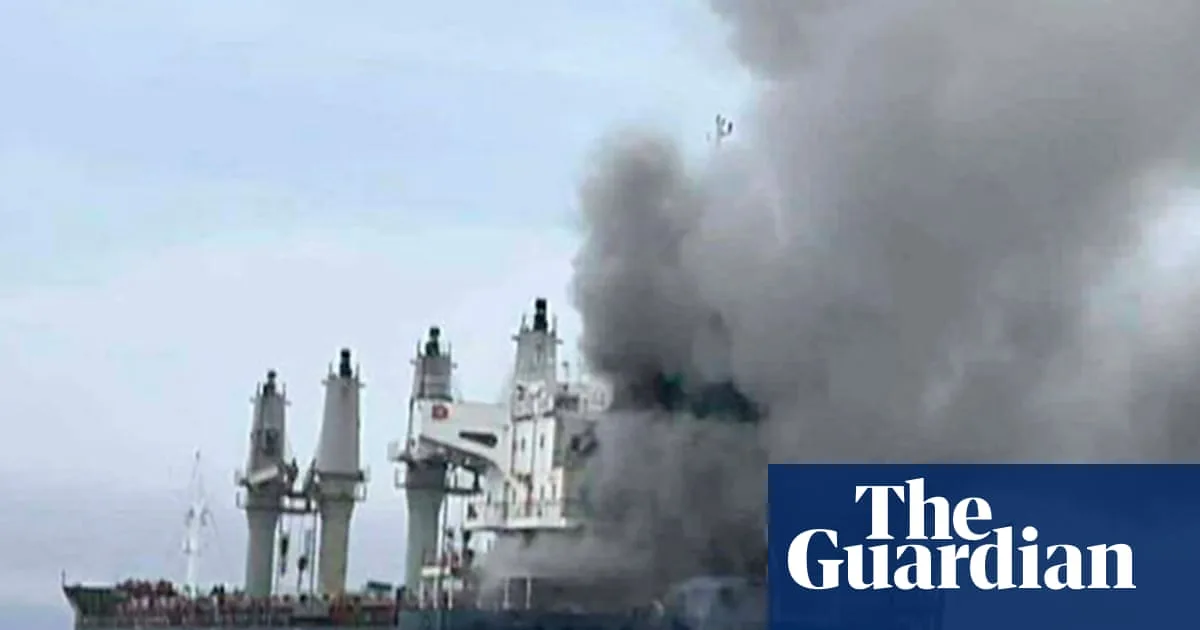
The escalation saw several merchant ships struck in and around the Strait of Hormuz, a critical global trade artery. Three crew members aboard the Thai-registered Mayuree Naree were believed to be trapped, according to the vessel's owner. Iraq halted all operations at its oil ports after an attack on two nearby tankers, while Bahrain told residents to stay home after an Iranian strike on fuel tanks in Muharraq. Oman shifted vessels from its main oil export terminal at Mina Al Fahal after drone strikes at another port.
The International Energy Agency (IEA) had ordered the largest release of government reserves in its history on Wednesday, with 32 members unanimously agreeing to release 400 million barrels of emergency crude. However, the move was quickly eclipsed by fresh violence. The IEA warned that the war in Iran could cut regional oil and gas production by at least 10 million barrels per day, potentially leading to a global output slump of 8 million barrels per day this year, even with increased production from countries like Russia.
The global oil shortfall is expected to pile pressure on markets already experiencing wild swings. The price of oil broke $100 for the first time in four years on Monday, soaring as much as 29% to a peak of $119, before falling back after conflicting remarks from Donald Trump. Iran's military command taunted the US, saying, 'Get ready for oil to be $200 a barrel, because the oil price depends on regional security, which you have destabilised.'
West Texas Intermediate crude also climbed towards $100, rising 8.6% to $94.75. Asian stock markets came under pressure, with Japan's Nikkei 225 dropping 1.6% and South Korea's Kospi falling 1.2%. European natural gas prices rose 7.7%. Saudi Aramco warned of 'catastrophic consequences' if the Strait of Hormuz remains blocked.




