Iran-Backed Militia Suspected in US Journalist Kidnapping in Iraq
Three Iraqi officials have revealed that local authorities suspect the powerful Iran-backed Kataib Hezbollah militia is responsible for the abduction of a U.S. journalist in Iraq. According to these sources, attempts to negotiate her release have encountered significant obstacles, complicating efforts to secure her freedom.
Official Allegations and Denials
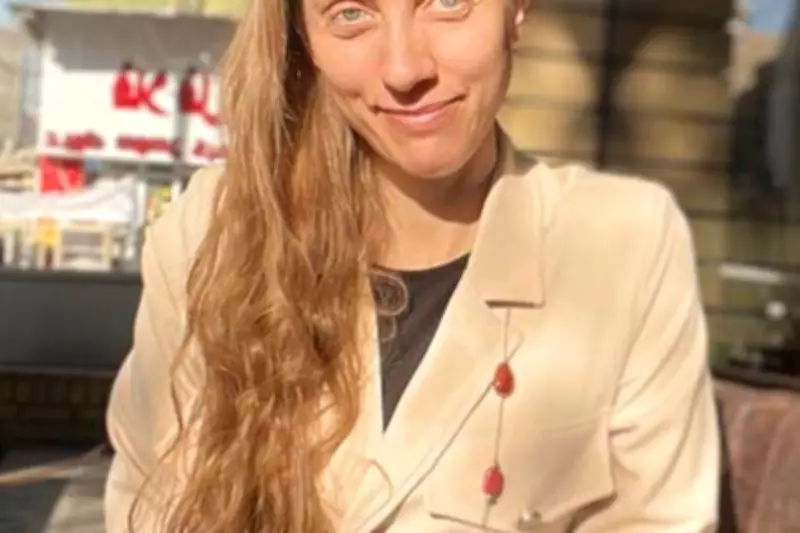
U.S. officials had previously accused the group of kidnapping freelance journalist Shelly Kittleson from a Baghdad street corner on March 31. However, the Iraqi government has not publicly named the responsible party, and Kataib Hezbollah has not claimed involvement in the incident. Officials from the militia declined to comment when approached for statements.
The information comes from two Iraqi security officials and one official from the pro-Iran Coordination Framework political bloc, who spoke to The Associated Press on condition of anonymity due to the sensitive nature of the case. They were not authorized to discuss these matters publicly.

Challenges in Negotiations
One of the security officials explained that an official with the Popular Mobilization Forces—a coalition of Iran-backed militias nominally under Iraqi military control—was tasked with communicating with the abductors to secure Kittleson’s release. "The primary challenge is that the leaders of the Kataib militia—specifically, the commanders of the battalions—are nowhere to be found," they said. "No one knows their whereabouts, and the process of establishing contact with them is extremely complex. These leaders have gone underground, maintaining no active lines of communication, out of fear of being targeted."
The political official added that a message had been sent to Kataib Hezbollah leadership to determine their demands in exchange for releasing the journalist. Iraqi authorities are reportedly willing to release six detained Kataib Hezbollah members, most held in connection with attacks on a U.S. base in Syria. However, the militia has not yet communicated its demands clearly, stalling negotiations.
Complications from U.S. Involvement
Further complicating matters, the second security official noted that the Iraqi official overseeing the case has not received approval from U.S. officials to proceed with negotiations. U.S. officials did not immediately respond to requests for comment, but the State Department previously stated it is collaborating with the FBI to secure Kittleson's release.
Journalist advocacy groups have urged the U.S. government to formally designate Kittleson as a hostage or "wrongful detainee," a classification that would trigger an elevated response level and potentially expedite rescue efforts.
Background on the Journalist
Shelly Kittleson, 49, had lived abroad for years, using Rome as a base and building a respected journalism career across the Middle East, with a focus on Iraq and Syria. Like many freelancers, she often worked on a limited budget without the protections afforded by large news organizations to their staff. She had re-entered Iraq shortly before her abduction, despite U.S. officials warning her multiple times of threats against her safety. Kittleson reportedly did not want to leave the region.
Details of the Abduction
Iraqi officials have disclosed that two vehicles were involved in the kidnapping. One car crashed while being pursued near al-Haswa in Babil province, southwest of Baghdad. The journalist was then transferred to a second car that fled the scene, highlighting the chaotic nature of the incident and the challenges in tracking her whereabouts.
This developing situation underscores the ongoing tensions in Iraq involving Iran-backed militias and international actors, with the safety of journalists remaining a critical concern in conflict zones.