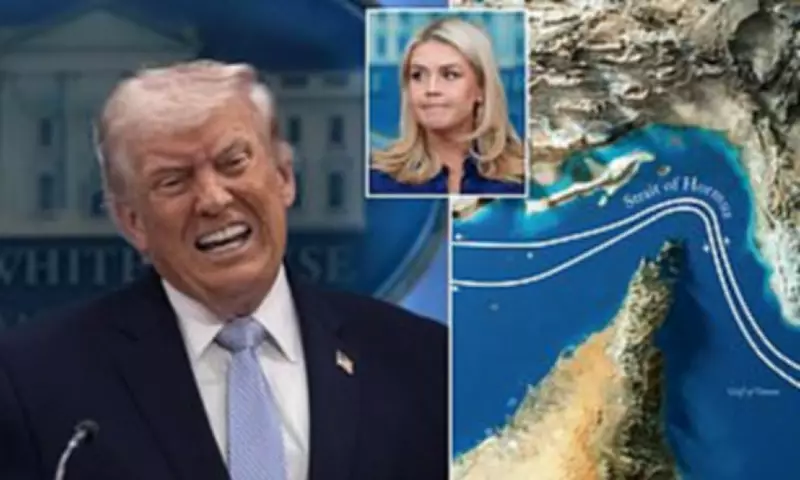
Iranian Parliamentary Speaker Alleges US Ceasefire Breaches Amid Strait of Hormuz Turmoil
Iran's Parliamentary Speaker, Mohammad-Bagher Ghalibaf, has publicly accused the United States of violating key components of a ceasefire agreement, as tensions flare over maritime traffic in the critical Strait of Hormuz. In a statement released on Wednesday afternoon, Ghalibaf asserted that the US has breached three specific aspects of a 10-point proposal he claims was endorsed by President Donald Trump.
Specific Allegations of Ceasefire Violations
Ghalibaf detailed the alleged infringements, pointing to Israeli military strikes on Lebanon, the detection of a drone within Iranian airspace, and US assertions that Iran cannot enrich uranium as direct contraventions of the agreement. He emphasised that these actions have undermined the foundation for negotiations even before talks could commence.
'Now, the very “workable basis on which to negotiate” has been openly and clearly violated, even before the negotiations began,' Ghalibaf wrote in his statement. 'In such a situation, a bilateral ceasefire or negotiations is unreasonable.'

White House Counters Iranian Claims
White House spokeswoman Karoline Leavitt responded forcefully during a briefing, denying that Trump ever agreed to permit Iran's uranium enrichment programmes. 'The President's red lines, namely, the end of Iranian enrichment in Iran have not changed, and the idea that President Trump would ever accept an Iranian wish list as a deal is completely absurd,' she stated.
Leavitt also contested Iranian reports regarding the Strait of Hormuz, a vital waterway through which approximately one-fifth of global oil transits. She claimed the strait has been opened despite Iranian announcements to the contrary, noting a discrepancy between public statements and private actions.
Confusion Over Strait of Hormuz Shipping
The status of the Strait of Hormuz remains unclear amidst conflicting reports. While some vessels navigated the strait early Wednesday, others executed U-turns, retreating from the area. Iranian state media has declared the strait closed, contradicting Trump's Tuesday evening announcement that Iran had agreed to reopen it.
'We have seen an uptick of traffic in the strait today,' Leavitt remarked, highlighting the disparity between Iran's public declarations and observable activities.
Iran's semi-official Fars news agency initially reported that two tankers passed through the strait as a two-week ceasefire began, but later indicated that passage was suspended 'simultaneous with Israel's attacks on Lebanon.'
Dispute Over Lebanese Conflict Inclusion
Ghalibaf specifically accused the US of non-compliance with the first clause of the 10-Point Proposal concerning a ceasefire in Lebanon, referencing videos from Beirut showing extensive explosions following Israeli assaults. However, Leavitt clarified that 'Lebanon is not part of the ceasefire,' asserting this position has been communicated to all involved parties.
Trump's Proposal for Strait Tolls
In a separate development, President Trump suggested to ABC News on Wednesday morning that he is amenable to Iran imposing tolls for safe transit through the Strait of Hormuz, potentially as a joint venture. 'We’re thinking of doing it as a joint venture. It’s a way of securing it — also securing it from lots of other people,' he said, adding, 'It’s a beautiful thing.'
This escalating diplomatic row underscores the fragile nature of the ceasefire and the complex geopolitical dynamics surrounding the Strait of Hormuz, with both sides presenting starkly different narratives on compliance and intentions.