Greece Defies EU Biometric Rules for British Tourists, Sparking Brussels Showdown
Athens is heading for a significant confrontation with the European Union after Greece unilaterally decided to drop biometric requirements for British visitors this summer. The move directly contradicts the EU's decade-long push toward fully digitalised borders across the Schengen area.
Exclusive: European Commission Criticises "Blanket Exemption"
The European Commission has responded sharply to Greece's announcement, stating that a "blanket exemption for nationals of specific third countries" was never part of the agreed plan. A spokesperson confirmed that Brussels is now seeking urgent clarifications from Greek authorities about their decision to bypass the Entry-Exit System (EES) requirements for British passport holders.
For ten years, the European Union has been working systematically toward implementing 100 percent digital borders. The official deadline for all Schengen area frontiers to collect biometric data from every third-country national under the EES was 10 April 2026. While many member states have achieved full compliance, Greece has taken a dramatically different approach that has stunned travel industry professionals across Europe.

Greek Tourism Strategy Prioritises British Visitors
The Greek Embassy in London made the surprising announcement via social media, declaring: "British passport holders are excluded from biometric registration at Greek border crossing points." This decision comes as other popular European destinations, including Italy and Spain, have experienced significant delays at passport control, with some travellers even missing their return flights due to lengthy queues.
Eleni Skarveli, director of the Greek National Tourism Organisation in the UK, explained that the exemption aims to "ensure a smoother and more efficient arrival experience in Greece." She told The Independent: "Practically, this means that the entry process in place before the implementation of the EES will remain unchanged for British visitors."
This means British travellers will continue to have their passports manually examined and stamped, with their personal data simply "skimmed" and recorded rather than undergoing the full biometric registration process involving fingerprints and facial recognition.
EU Entry-Exit System Kiosks Remain for Other Nationals
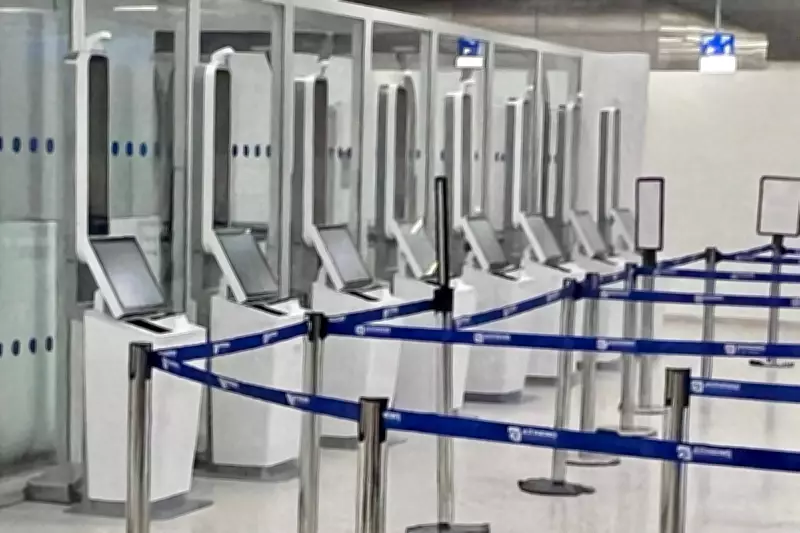
While EES kiosks have already been installed at major Greek airports like Athens International, these will not be available to British travellers this summer. Instead, they will be reserved for other third-country nationals, including Americans and Australians, who will be processed according to the official EU policy.
The weekend revelation has caused considerable dismay in Brussels, where officials are attempting to maintain a unified approach to border security. The European Commission emphasised that the system "is working very well in the overwhelming majority of member states" and that all 29 Schengen area countries had previously agreed to the implementation schedule.
Legal Framework Allows Limited Flexibility
A Commission spokesperson clarified: "As a general rule, the EES foresees flexibilities when it comes to the registration of biometrics. The suspension of the collection of biometric data is possible at specific border crossing points and for a limited amount of time in cases of exceptional circumstances that lead to excessive waiting times."
However, the spokesperson added a crucial qualification: "The legal framework does not foresee blanket exemption for nationals of specific third countries and for an extended period of time." This means that while temporarily suspending biometric checks at a small Greek island airport during peak hours might be acceptable, scrapping the measures entirely for an entire summer season clearly violates EU regulations.
Special Lanes Planned for British Arrivals
As the summer tourism season approaches, Greek authorities are expected to introduce special lanes at busy airports to segregate British arrivals from other travellers. This logistical arrangement acknowledges the disproportionate number of British visitors to Greece compared to all other non-European travellers combined.

The Independent understands that while British tourists will enjoy simplified entry procedures, all other third-country nationals will be processed strictly in accordance with official EU policy. This differential treatment highlights Greece's strategic prioritisation of its most important tourism market, even at the risk of diplomatic friction with European institutions.