
Satellite images have laid bare the catastrophic destruction across Gaza following Israel's military campaign, as a ceasefire agreement between Israel and Hamas takes effect. The deal, brokered by US President Donald Trump, includes the release of all hostages and an Israeli withdrawal to agreed lines, described by British Prime Minister Keir Starmer as a 'moment of profound relief'.
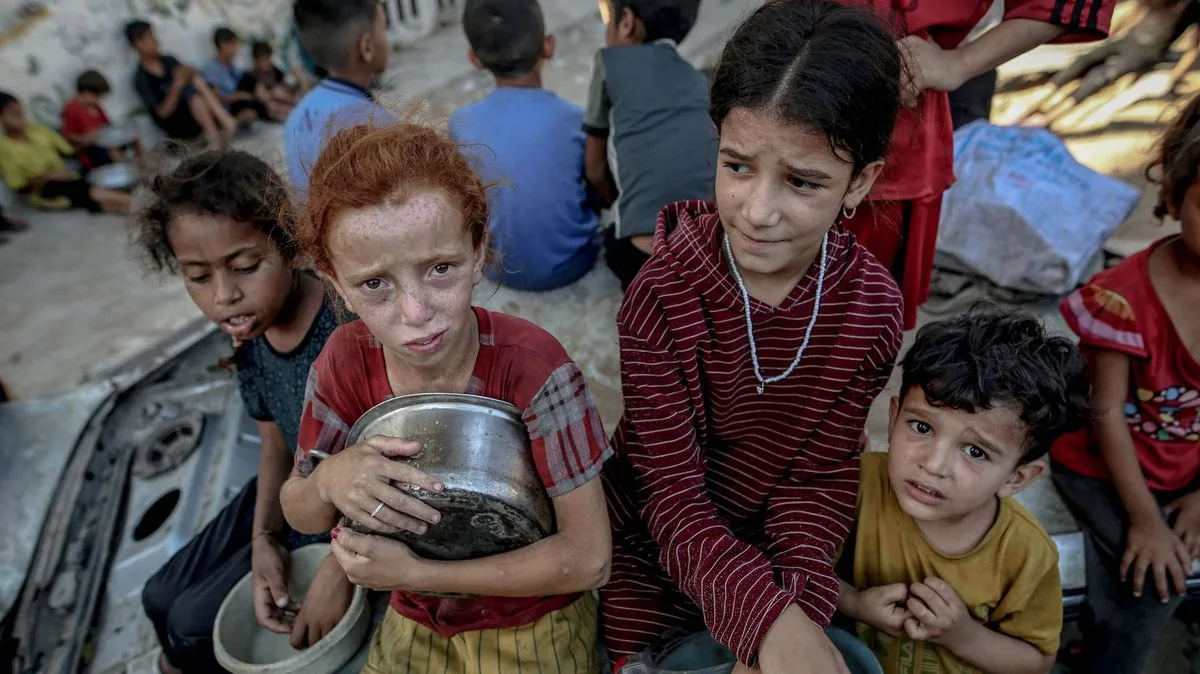
The conflict, which began after the October 7 terror attack on Israel, has left much of Gaza in ruins. More than 90 per cent of homes are estimated to be damaged or destroyed, and nearly 90 per cent of the population has been displaced, many multiple times. Gaza's Ministry of Health reports over 64,964 Palestinians killed in Israeli attacks, with 1,060 deaths linked to attempts to secure food supplies.
Al-Shifa Hospital, once the largest medical facility in Gaza, now lies as a charred wreckage. Palestinian Civil Defence worker Rami Dababesh told the BBC: 'We've extracted martyrs, many of whom are decomposed and completely unidentifiable. We've found corpses of women, children and individuals without heads.' The UN Security Council has expressed deep concern over mass graves found at al-Shifa and Nasser hospitals.
The village of Al-Bayuk, formerly part of Israel's humanitarian zone, is barely recognisable in satellite images, with demolished buildings and obliterated roads. Deir Al-Balah, a primary humanitarian centre for displaced Palestinians, has also suffered extensive damage. The healthcare, water, sanitation and hygiene systems have collapsed, and UN-backed experts have declared a famine in Gaza City.
Israel's campaign has drawn global protests and led to an International Criminal Court arrest warrant for Prime Minister Benjamin Netanyahu. Despite the ceasefire, the memories of the conflict will continue to haunt the region.




