
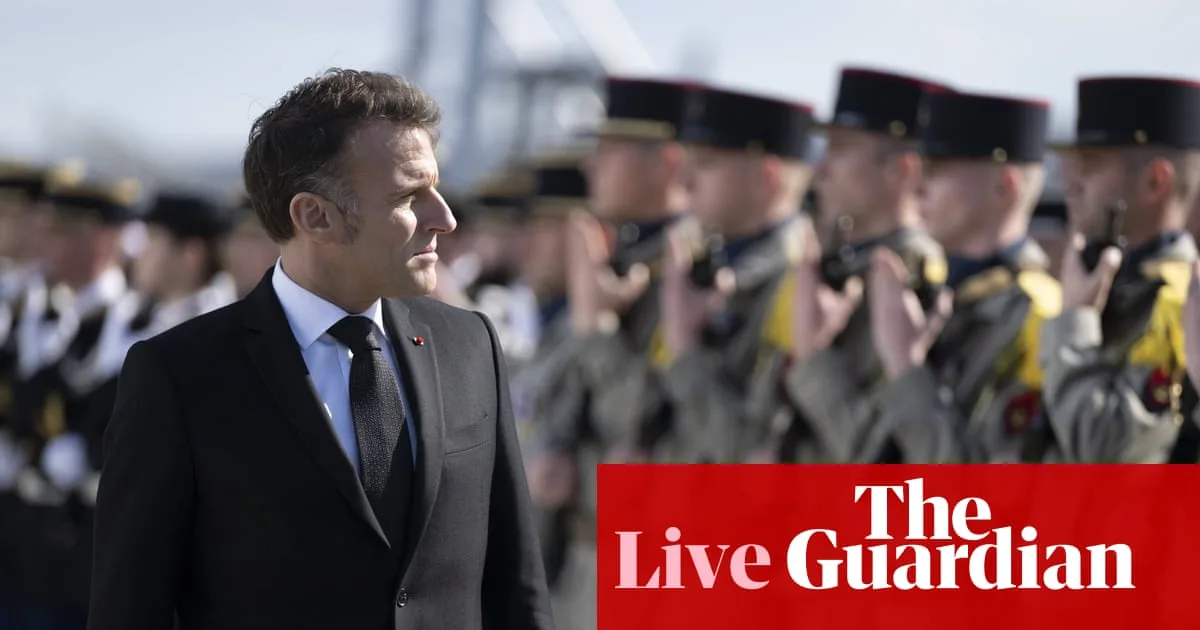
French President Emmanuel Macron will address the nation this evening on the situation in the Middle East, as the first wave of stranded European travellers begins to return home. Hundreds of thousands remain stuck in the region, with airlines ruling out a resumption of services before Thursday.
Belgium has announced plans to repatriate its citizens, with around 26,000 Belgians in the region, including 2,500 tourists in Dubai and Qatar. Foreign Minister Maxime Prévot and Defence Minister Theo Francken are working on a plan, but Prévot warned that the closure of airspace poses an “enormous logistical challenge” and it could be days before aircraft can enter the area.
Several EU countries, including France, Belgium, Ireland, Italy, Poland and Spain, are pushing ahead with efforts to move hundreds of thousands of European citizens. Belgium is coordinating with Luxembourg and other partners, using commercial or military aircraft. Similar cooperation occurred during the global Covid lockdown.
Later today, German Chancellor Friedrich Merz will meet US President Donald Trump at the White House for talks covering bilateral relations, defence, trade and the Middle East. Merz is expected to publicly back Trump on Iran, as he previously expressed relief at the end of the “mullah regime”.
However, Merz has criticised Trump’s decisions on trade tariffs and ambitions to control Greenland, a Nato ally. He also seeks US support for Ukraine against Russia, a stance that has sometimes put him at odds with Trump. At the Munich Security Conference, Merz warned that “even the United States will not be powerful enough to go it alone”.




