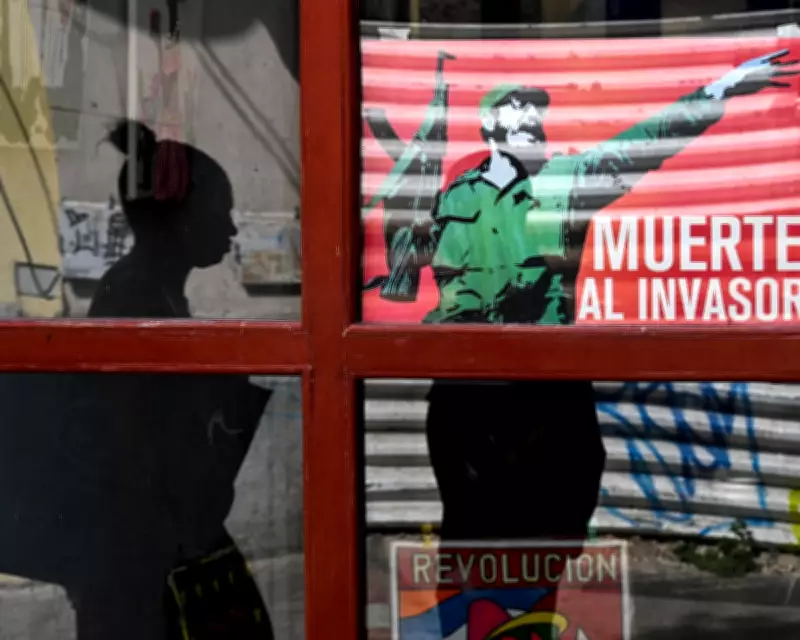
Five Arrested in Cuba After Rare Protest at Communist Party Office Turns Violent
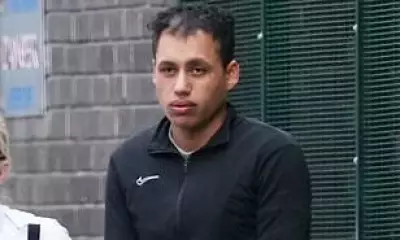
Five people have been arrested in Cuba for acts of vandalism after a small group of protesters broke into a provincial office of the Cuban Communist party, setting fire to computers and furniture. The incident occurred in the town of Moron, located just over 300 miles east of Havana, and also affected a pharmacy and another local shop.
Protest Escalates into Vandalism
Videos circulated on social media depict the protesters ransacking the office, removing documents, equipment, and furniture, and burning items in the street. A smaller faction was seen throwing stones during the unrest. According to the state-run newspaper Invasor, what began as a peaceful demonstration degenerated into vandalism against the headquarters of the municipal committee of the Communist party. The newspaper confirmed that five individuals were subsequently arrested in connection with the incident.
Economic Pressure and Public Discontent
Although protests are uncommon in Cuba, the country is currently facing intense economic pressure from the United States, including a stringent oil blockade imposed by President Donald Trump. Trump has openly expressed his desire for regime change in Havana, exacerbating tensions. In recent times, residents have resorted to banging pots and pans at night, both in the streets and at home, to voice their frustration over severe shortages of food and medicine.
Additionally, Cubans are grappling with frequent rolling power blackouts that can last up to 15 hours per day, further compounding their hardships. Independent media and social media reports indicate that while Havana has been the epicenter of these nightly protests, the unrest is gradually spreading to other regions of the country.
US-Cuba Relations and Oil Crisis
On Friday, Cuban President Miguel Díaz-Canel acknowledged for the first time that he is engaged in talks with the US government. He revealed that no petroleum shipments have reached Cuba in the past three months, attributing this dire situation directly to the US oil blockade. Díaz-Canel stated that the island is currently relying on a mix of natural gas, solar power, and thermoelectric plants to sustain its energy needs.
President Trump has signaled that Cuba is next on his agenda following the Iran conflict and the US-led efforts to overthrow Nicolás Maduro in Venezuela, Cuba's key ally. Historically dependent on Venezuela for oil, Cuba has seen its supply severed as Trump asserts control over Caracas. This oil embargo has pushed Cuba's already struggling economy to the brink of collapse.
The Republican leader has enforced a US oil blockade against the impoverished island, citing what he terms an extraordinary threat posed by Cuba to the United States. This recent measure compounds the longstanding six-decade-old US trade embargo, intensifying the economic stranglehold on the nation.