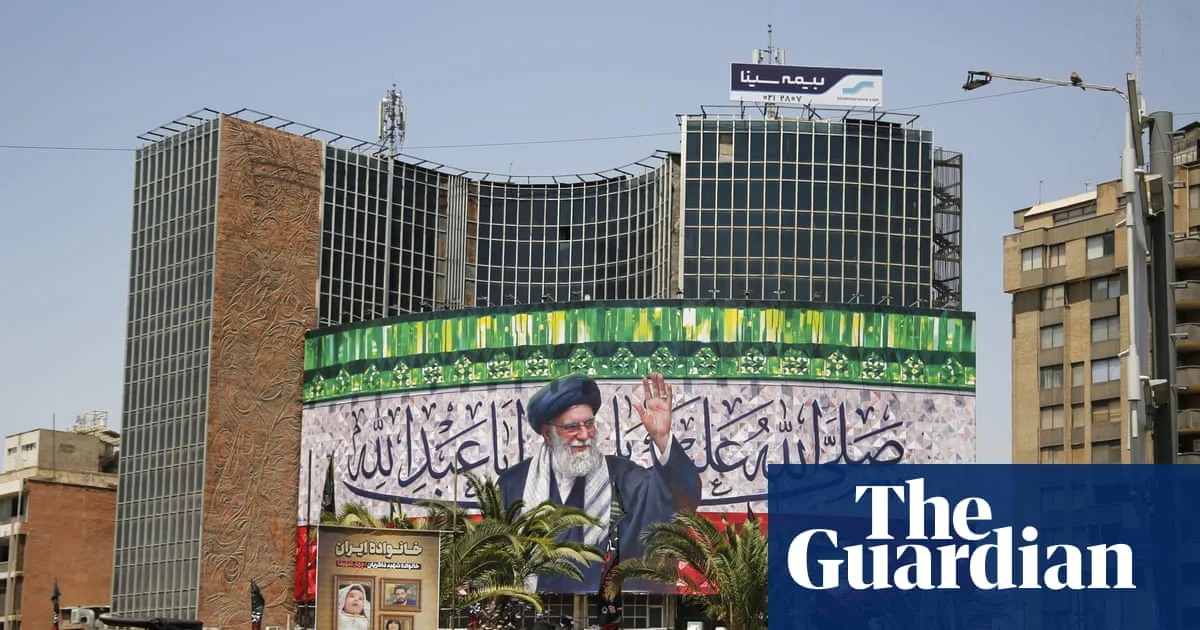
The European Union has announced it will start the process of reinstating UN sanctions on Iran from 29 August if Tehran has made no progress by then on containing its nuclear programme. The move was announced at a meeting of EU foreign ministers by French Foreign Minister Jean-Noël Barrot, who said France and its partners were justified in reapplying global embargos on arms, banks and nuclear equipment that were lifted ten years ago.
Without a firm, tangible and verifiable commitment from Iran, the European powers will proceed with the sanctions snapback by the end of August at the latest. The deadline begins a process that could lead to an armoury of sanctions being reimposed by 15 October, giving the UK, France and Germany a continuing lever in negotiations with Iran. The European powers want to see the return of the UN nuclear inspectorate to Iran, in part to prevent Iran from reconfigureing its nuclear programme after damage inflicted by US strikes in June.
The 2015 nuclear deal does not allow other signatories, China or Russia, to veto the sanctions snapback, but the European states can defer the imposition beyond October for further consultation. The US, which left the deal in 2018, also cannot veto the move. The snapback would be triggered under chapter seven of the UN charter, making the reinstatement of six UN resolutions mandatory, including one requiring Iran to suspend all activities related to uranium enrichment and reprocessing.
Iranian sanctions experts claim the reinstated resolutions would not automatically halt all Iranian oil exports or cut off access to international financial systems, but all countries and international financial institutions would have to refrain from providing financial assistance, new commitments or preferential loans to the Iranian government, except for humanitarian and development purposes.
Iranian Foreign Minister Abbas Araghchi warned that activating snapback “will mean the end of Europe’s role in the Iranian nuclear issue and may be the darkest point in the history of Iran’s relations with the three European countries.” He told diplomats that if these countries move towards snapback, they will make the resolution of the Iranian nuclear issue even more complicated and difficult.