Elwes Brothers Unite for New Thriller Amid Personal Tragedy
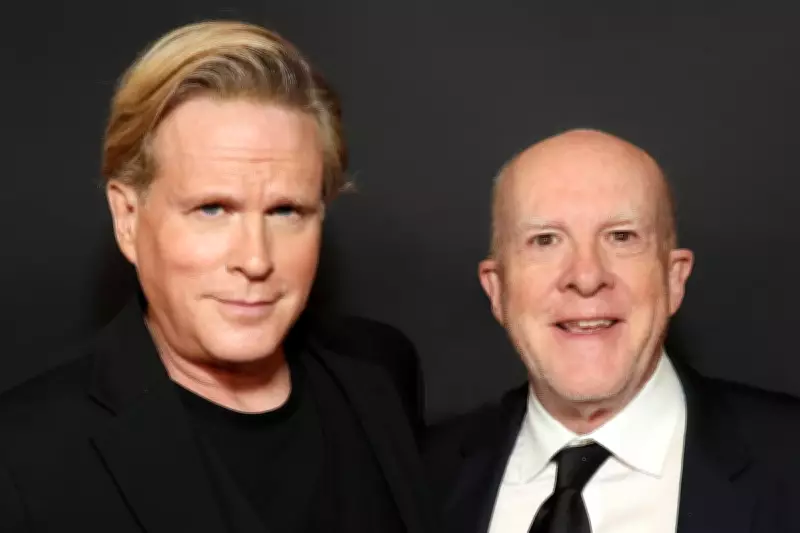
In a remarkable display of resilience, actor Cary Elwes and his producer brother Cassian Elwes have collaborated on the new film Dead Man's Wire, even as Cary faced the loss of his Malibu home in the recent Los Angeles wildfires. The brothers sat down for an exclusive interview to share their story of perseverance, creative partnership, and the making of this Seventies-set thriller.
A Bond Strengthened by Adversity
When Cary Elwes arrived on the set of Dead Man's Wire in Louisville, Kentucky, in January, he carried only a paper bag containing his few remaining possessions. Days earlier, wildfires had ravaged his Malibu residence, destroying clothes, furniture, and a lifetime of memorabilia. Cassian, serving as producer, ensured Cary's hotel room was adjacent to his own, offering unwavering support during this difficult time. The costume designer Peggy Schnitzer, a trusted collaborator of the Coen brothers, quietly purchased a new wardrobe for Cary, an act of kindness that deeply moved him. Cary reflected that being on set provided a much-needed distraction, calling it a blessing. The brothers shared nightly dinners, turning the experience into what Cassian described as the most phenomenal bonding experience.
Dead Man's Wire: A Gritty True-Crime Tale
Dead Man's Wire marks Gus Van Sant's first feature film in seven years, a true-crime suspense thriller set in post-Watergate America. The story follows Tony Kiritsis, played by Bill Skarsgård, an Indianapolis businessman who takes a mortgage broker hostage with a sawn-off shotgun wired to his neck in 1977. Van Sant and cinematographer Arnaud Potier shot the film on real streets and in authentic interiors, using costumes that evoke the era's faded, yellowish grain. Cary Elwes, nearly unrecognisable under a bushy beard and shaggy hair, portrays Detective Mike Grable, a cop tasked with bringing Kiritsis to justice. Cary expressed enthusiasm for this challenging role, noting that such opportunities are rare in his career.

Overcoming Production Hurdles
The film's journey to the screen was fraught with obstacles. In early 2024, Cassian faced a crisis when the original director and lead actor abruptly left the project, leaving him with significant financial losses and an investor demanding repayment by Christmas. Desperate, he encountered Gus Van Sant at Soho House, interpreting the meeting as a message from God. Within three days, Van Sant was en route to Kentucky, and the entire film was shot in just 20 days. Cary had been eager to work with Van Sant, and despite initial reluctance from Cassian, the director welcomed Cary's involvement, revealing he was a fan of his work.
From London Dreams to Hollywood Success
The Elwes brothers grew up in London, captivated by films and using an 8mm camera to explore their creative passions. Their family history is steeped in intrigue: their parents eloped to Havana in 1957, marrying as guests of organised crime boss Meyer Lansky before fleeing Cuba during Castro's revolution. Their father, Dominick, painted portraits for the Clermont Set, while their stepfather, Elliott Kastner, was a Hollywood producer with ties to Pinewood Studios. Through Kastner, a teenage Cary served as Marlon Brando's personal assistant on the set of Superman.
Both brothers moved to Los Angeles in the 1980s. Cassian built a prolific career, producing acclaimed films like Sling Blade, Monster's Ball, Dallas Buyers Club, and Mudbound. Cary followed, starring in classics such as The Princess Bride, Glory, Robin Hood: Men in Tights, Twister, and Saw. While they had collaborated on smaller projects before, Dead Man's Wire represents their most significant joint effort to date.

Influences and Legacy
Dead Man's Wire draws inspiration from Dog Day Afternoon, with Al Pacino—star of that film—joining the cast as the hostage's father. Pacino also played a pivotal role in Cary's early career; after The Princess Bride initially flopped, Pacino advised Cary to attend acting school, leading to his enrollment at the Lee Strasberg Institute and subsequent success. Cary also paid tribute to the late Rob Reiner, director of The Princess Bride, whom he met in Berlin and remembered as warm and lovely. Reiner's recent passing was a profound loss for the industry, and Cary emphasised celebrating his legacy as a great filmmaker.
Despite the challenges of recent years, including personal tragedies and professional setbacks, Cary Elwes remains optimistic about the future. Dead Man's Wire is now showing in cinemas, marking a triumphant chapter in the Elwes brothers' enduring partnership.