US Lawmakers Witness Devastating Effects of Cuba Energy Blockade
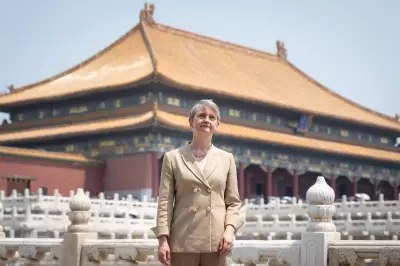
Two Democratic members of the US House of Representatives have issued a powerful demand for the immediate termination of what they describe as a "cruel collective punishment" energy blockade against Cuba. Representatives Pramila Jayapal from Washington and Jonathan Jackson from Illinois made their urgent appeal following a comprehensive five-day visit to the island nation that concluded on Sunday.
High-Level Meetings and Stark Observations
During their fact-finding mission, the lawmakers engaged in significant diplomatic discussions with Cuban President Miguel Díaz-Canel and Foreign Minister Bruno Rodríguez. They also met with members of Cuba's parliament to gain firsthand understanding of the blockade's consequences. In a joint statement released on Sunday, Jayapal and Jackson characterized the US policy as "effectively an economic bombing of the infrastructure of the country" that has inflicted permanent damage.
President Díaz-Canel utilized social media platform X to amplify his condemnation of what he termed "criminal damage" caused by the blockade. He particularly emphasized the severe consequences of the energy siege implemented by the current US administration, while simultaneously expressing his government's willingness to engage in serious bilateral dialogue to resolve existing differences.

The Humanitarian Crisis Unfolding
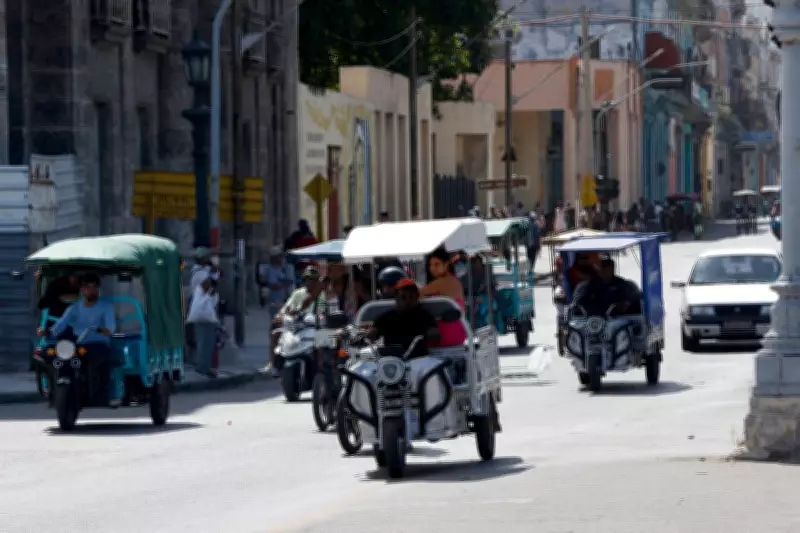
The energy blockade has precipitated an acute humanitarian emergency across Cuba. Critical oil shipments from Venezuela were halted following US actions against the South American nation in early January. This disruption has resulted in widespread national blackouts, severe gasoline shortages, extensive rationing programs, and significant reductions in public transportation availability.
More alarmingly, the energy crisis has paralyzed essential healthcare services, forcing hospitals to suspend surgeries and medical procedures. The transportation breakdown has led to flight cancellations and created cascading disruptions throughout Cuban society, including reduced working hours across multiple sectors.
Recent Developments and Temporary Relief
In what some experts interpret as a potential policy relaxation, a sanctioned Russian oil tanker named Anatoly Kolodkin was permitted to dock at Cuba's Matanzas oil terminal on March 30. The vessel successfully unloaded approximately 700,000 barrels of crude oil. Energy analysts estimate this shipment could produce about 180,000 barrels of diesel, sufficient to meet Cuba's daily energy demands for nine to ten days.
Jayapal acknowledged this development as a temporary solution while emphasizing the need for permanent resolution. She characterized current US policy toward Cuba as "a cold war remnant that no longer serves the American people or the Cuban people." The congresswoman pointed to recent Cuban reforms, including economic openings to Cuban Americans abroad and the pardon announcement for over 2,000 prisoners, as indicators that the moment is ripe for genuine bilateral negotiations.
Broader Context and Political Implications
Representative Jackson drew striking parallels between the Cuba blockade and international efforts to maintain oil flow through strategic waterways like the Strait of Hormuz. He described Cuba as "the most sanctioned part of Earth" and questioned the consistency of US energy policy, asking why the government fights for global oil flow while restricting it in its own hemisphere for humanitarian reasons.
The political landscape surrounding Cuba policy remains complex, with former President Donald Trump having signaled potential aggressive approaches toward the island nation. Meanwhile, high-level diplomatic talks between the United States and Cuba continue, led by US Secretary of State Marco Rubio. These discussions follow executive orders issued in January that threatened tariffs on nations supplying fuel to Cuba.
Jackson has been particularly vocal on social media, stating in March that "Trump's cruel blockade has collectively punished the Cuban people and led to inhumane conditions." He advocates for complete embargo lifting and enhanced economic cooperation, arguing that over six decades of US policy have brought pain to multiple generations of Cubans while undermining their self-determination.

The lawmakers' visit and subsequent statements highlight growing Democratic opposition to longstanding Cuba sanctions, framing the issue not merely as foreign policy but as a pressing humanitarian concern affecting millions of Cuban citizens in their daily lives.