Unauthorised Biolabs with Chinese Connections Raise Alarming Bioterrorism Concerns
The discovery of an unauthorised biological laboratory in a Las Vegas residential neighbourhood, with established links to similar facilities in California and connections to China, has triggered significant national security concerns about potential bioterrorism threats operating across the United States.
Dual Laboratory Discoveries Reveal Systemic Vulnerabilities
On January 31st, Las Vegas police executed a raid on a five-bedroom house operating as an Airbnb rental after multiple guests reported becoming "deathly ill." Inside the property, authorities discovered an alarming arsenal including weapons, refrigerators containing suspicious vials, and extensive laboratory-style equipment. Police subsequently arrested 55-year-old Israeli citizen Ori Solomon, who managed the property, charging him with hazardous waste disposal and illegal firearm possession.
More than 1,000 samples from the Las Vegas laboratory were dispatched to the National Bioforensic Analysis Center for comprehensive testing. This discovery followed the 2023 apprehension of Chinese national Jia Bei Zhu, who had used the Las Vegas property as collateral for bail after being arrested for operating a similar unauthorised biolab in Reedley, California.

Congressional Investigation Uncovers Disturbing Details
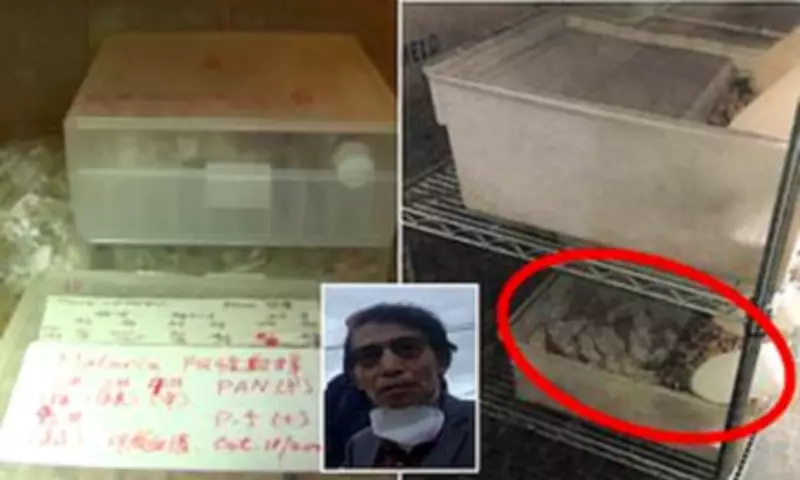
A Congressional investigation revealed that the Reedley facility had successfully acquired dangerous pathogens from legitimate American suppliers for years before detection. The warehouse contained thousands of improperly kept test mice alongside vials labeled for deadly diseases including COVID-19, Ebola, malaria, tuberculosis, HIV, herpes, and dengue fever, with labels appearing in both Chinese and English.
"The Reedley lab and the Vegas one just reveal some significant policy gaps," explained Sam Howell, an associate fellow at the Center for a New American Security. "Most striking is how long these facilities operated undetected. A local code enforcement officer just happened to stumble upon the Reedley lab by accident, and there was no federal mechanism that would have flagged it proactively."
Complex International Connections and Financial Transactions
Investigations uncovered that Jia Bei Zhu maintained suspicious ties to the Chinese Communist Party, having chaired several state-controlled enterprises connected to China's civil-military fusion ecosystem in the early 2000s. After moving to Canada, Zhu established businesses used to steal American cattle-based intellectual property, resulting in a CA$330 million fine from Canadian authorities.
Following his 2015 entry into the United States under the alias David He, Zhu opened his first biolab in Fresno before relocating to Reedley. Phone records indicated approximately 400 calls between Zhu and the Las Vegas laboratory within the past year alone. Prosecutors revealed Zhu received unexplained payments exceeding $1.3 million through wire transfers from Chinese banks while operating the Reedley facility.
Regulatory Failures and National Security Implications
Howell emphasised that unauthorised laboratories likely receive state sponsorship from foreign entities due to their substantial financial and logistical requirements. "Policymakers frankly have no idea how many of these labs are operating or where they might be operating," Howell stated, highlighting America's inadequate bio-surveillance infrastructure.
The national security expert expressed particular concern about artificial intelligence tools "lowering barriers for bad actors" in the context of bioterrorism threats. Howell noted that despite Zhu's known connections to the Chinese Communist Party and fugitive status in Canada, he successfully purchased pathogens from American suppliers without raising suspicion.
Public Health Risks and Inadequate Safety Protocols
Beyond national security implications, these unauthorised facilities present substantial public health dangers due to their lack of mandated safety protocols. The absence of proper ventilation, waste disposal systems, and containment measures could allow pathogens to escape into surrounding communities or local water systems.

Authorities disposed of more than 5,000 gallons of biological waste from the Reedley location, while many samples from the Las Vegas laboratory had degraded due to improper room-temperature storage, rendering them untestable and leaving critical questions unanswered.
Proposed Solutions and Legislative Responses
Howell identified several regulatory improvements that could address these vulnerabilities without controversy, including establishing pathogen custody records for unregistered buyers, creating clear federal jurisdiction triggers, and developing a national database of high-containment laboratories. Congressional legislation has already been proposed to implement these measures.
More challenging solutions involve enhanced environmental monitoring to detect unauthorised facilities and improved whistleblower protections. The most controversial approach would restrict biological material access for foreign nationals, potentially impacting legitimate international scientific collaboration while raising civil liberties concerns.
"I have a hard time imagining a legitimate use for these labs," Howell concluded. "Presumably, if Zhu had good intentions, he would have gone through the necessary processes to get these labs certified and presumably would have entered the United States legally."