UK Government Faces Fury Over Middle East Evacuation 'Shambles'
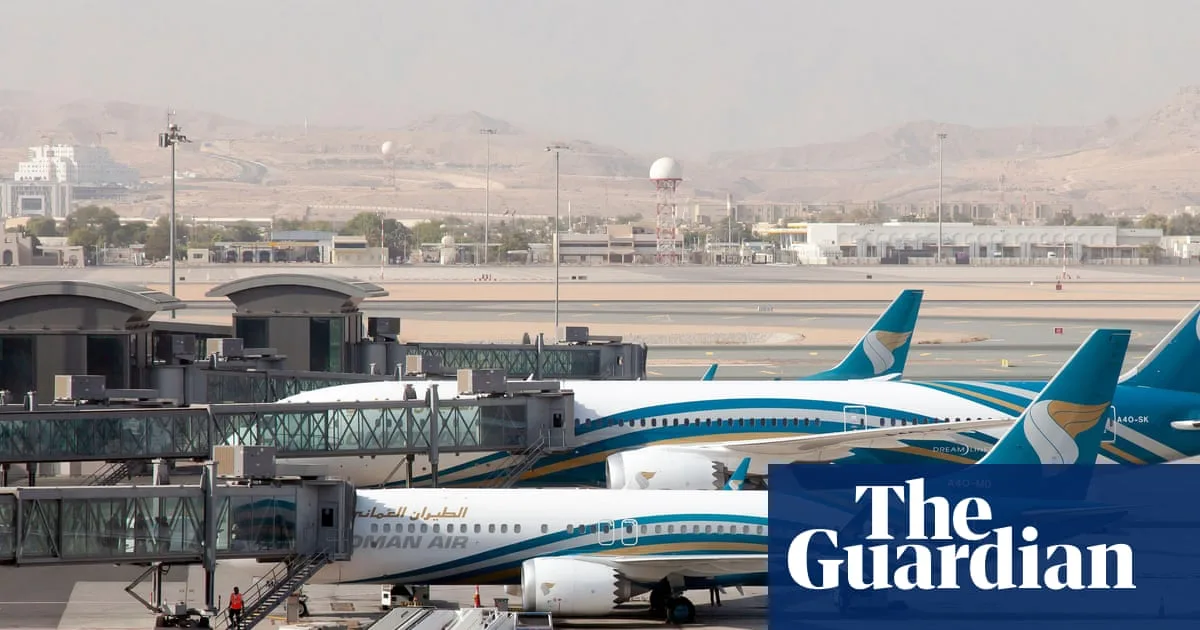
Terrified British nationals have accused the UK government of abandoning them in the Middle East after a failed repatriation flight from Oman was branded a "total shambles" and a "s***show" by stranded passengers. The Foreign Office-chartered aircraft, intended to evacuate Brits from Muscat to the UK, was grounded on Wednesday night when the pilot exceeded his flying hours and required rest, leaving passengers trapped on the tarmac until 3am.
Chaos and Panic on the Tarmac
According to eyewitness accounts, the evacuation descended into chaos as the flight failed to depart. Passengers reported that check-in took at least four hours, followed by a 90-minute wait on the plane before being informed the journey was cancelled. With no consular staff present airside, individuals became "agitated," with some banging windows and suffering panic attacks. One passenger described the scene as a "total farce," while another diplomatically called it "a very difficult situation for everyone" after an exhausting day.
The British ambassador to Oman was forced to issue a grovelling apology to families aboard the aircraft. The flight eventually took off more than 13 hours later than scheduled, but the damage to passenger confidence was severe. A mother travelling with vulnerable individuals recounted elderly people being "incredibly stressed" and children "tired and crying everywhere" after being awake all night awaiting the flight.
Wider Crisis Across the Region
This incident unfolds against a backdrop of escalating conflict in the Middle East, following large-scale attacks by the US and Israel on Iran, which killed Supreme Leader Ayatollah Ali Khamenei. Iran has launched retaliatory strikes across the Gulf region, targeting locations including the United Arab Emirates. Iconic hotels such as the Fairmont The Palm and Burj Al Arab in Dubai have been hit, while airports initially closed due to missile and drone attacks are now reopening with heavily restricted air traffic.
More than 140,000 Britons have registered their presence in the Middle East with the UK government. Dubai airport's closure left 20,000 travellers stranded, with about half a million passengers daily typically using hubs in Dubai, Doha, or Abu Dhabi for travel between Europe, Asia, and Australia.
Personal Stories of Desperation
Emma Hudson, 43, from Middlesbrough, has been stranded in the UAE since Saturday after her British Airways flight was cancelled. Along with her husband Paul and 14-year-old daughter Sadie, who suffers from anxiety, the family is "traumatised" by constant loud bangs from intercepted missiles. Hudson claims British Airways told her to go to the bombed airport for accommodation help, while the British Embassy merely advised staying indoors and seeking funding from local charities.
"We just feel like we've been abandoned," Hudson said, adding that her travel insurance does not cover war situations. The family is paying £350 daily for a hotel, charged to a credit card, and does not feel safe amid the ongoing attacks.
Another couple, Sarah and Ed Short, paid £1,500 for an eight-hour taxi ride from Dubai to Muscat after their flight was cancelled. They described the airport as "absolute chaos," with people "in floods of tears, sobbing, shaking." Despite eventually reaching Heathrow, they emphasised the need for more government assistance for stranded Britons.
Government Response and Further Flights
Foreign Office minister Hamish Falconer announced that over 4,000 British nationals arrived in the UK on Wednesday, with more flights scheduled. British Airways has added two commercial flights from Muscat to London Heathrow on Friday and Saturday, though both are fully booked. The airline stated it could add additional services if possible, but remains unable to operate scheduled flights from Abu Dhabi, Amman, Bahrain, Doha, Dubai, and Tel Aviv.
Sir Keir Starmer has announced two further government-chartered flights following the initial failure. However, criticism persists as other European nations like Austria and Spain successfully evacuated citizens on Wednesday night, with Austria's foreign minister personally greeting returning passengers.
Broader Implications and Military Deployments
The UK government has also faced scrutiny over military preparedness. RAF Akrotiri in Cyprus was targeted by a drone, prompting deployments including HMS Dragon, though the warship is not expected to sail until next week. Cyprus's high commissioner to the UK noted that Greek and French forces are already present, stating, "the least we expect is the Britons to also be present."
As tensions heighten, Britons across the region, including teachers like Catriona Mackenzie in Kuwait, express fear and desperation. Mackenzie described hearing "horrendously loud" sonic booms and frequent sirens, while struggling to find a route home. Similarly, Laura and Paul Webster from Birmingham are stuck in Phuket, Thailand, with no available flights for two weeks due to airspace closures.
The evacuation effort continues, but for many Britons, the experience has been marred by delays, confusion, and a profound sense of abandonment by their own government.