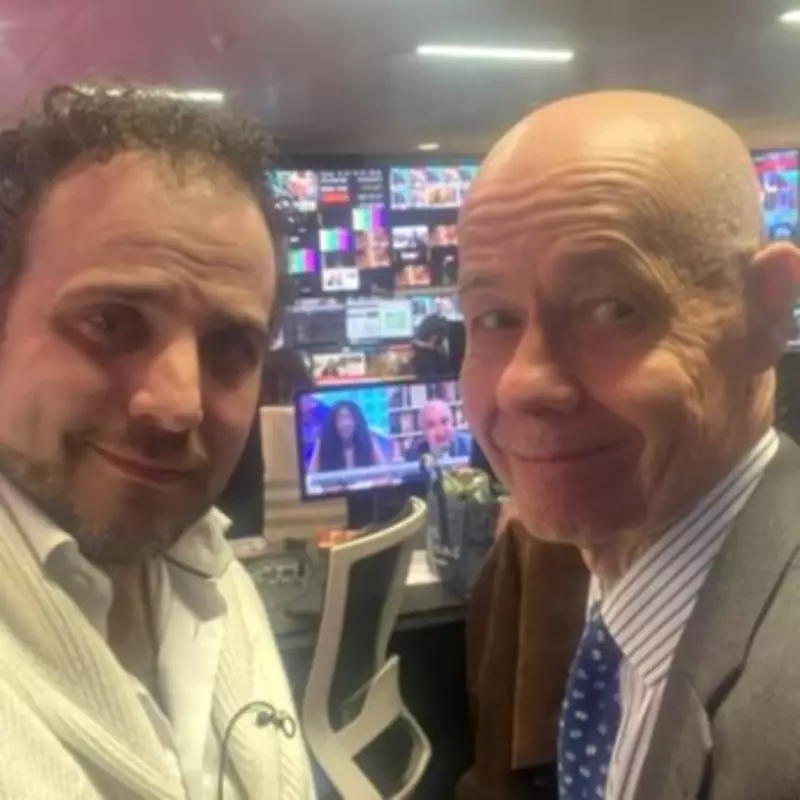
A British grandfather is fighting for justice after enduring what he describes as a harrowing ordeal of torture and wrongful imprisonment in Dubai, which included being forced to drink from a toilet. Albert Douglas, 63, spent nearly five years behind bars in the United Arab Emirates before his release in December, and he is now back in London seeking accountability for his suffering.
Years of Alleged Abuse in High-Security Prisons
Albert Douglas has detailed a series of horrific experiences during his time in a succession of high-security Dubai jails. He claims he was subjected to beatings, torture, and degrading treatment, such as being made to drink toilet water, all stemming from what he insists were false allegations. His case has drawn attention to broader issues within the UAE's judicial system, which lawyers describe as plagued by corruption.
False Accusations and Financial Ruin
In February 2021, Douglas says he was wrongfully accused of bouncing cheques that did not belong to him. He believes these charges were fabricated to facilitate the looting of his successful companies at the time. The false claims not only led to his imprisonment but also shattered his reputation and that of his son, Wolfgang Douglas, while threatening his family.

International Legal Challenge and UN Involvement
With the support of his son and legal advocate Radha Stirling, founder of Detained in Dubai, Albert is now challenging the UAE's system through international law. Stirling is pushing for a resolution with the United Nations Special Rapporteur on Torture, highlighting the case as part of a broader campaign for justice.
Stirling stated, "We are working to get justice for Albert. He has suffered greatly, and we cannot just allow it to continue. Albert wants to make sure the UAE is held to account and that the failings of the FCDO and the UK government are brought to light."
UN Ruling on Arbitrary Detention
The United Nations Working Group for Arbitrary Detentions reviewed the evidence and testimony in Douglas's case, ultimately ruling that he had been arbitrarily detained. This ruling is seen as a significant condemnation of the UAE's actions, with Stirling calling it "astonishing" and noting that it implicates one of the UK's major trade partners in serious human rights abuses.
Stirling added, "It basically means one of our biggest trade partners took one of our citizens and, despite his innocence, locked him up for years, beat him, broke his bones, kicked his head in, stole his money, assets and businesses, then spat him out back to the UK and expects to just get away with it."
Broader Implications and Calls for Accountability
Beyond seeking personal justice, Douglas and his supporters aim to shed light on what they describe as the failings of the UK's Foreign, Commonwealth and Development Office (FCDO) and the government during his imprisonment. They argue that his case is not isolated, with claims that other Britons have died in Dubai custody after similar abuses, including beatings, electrocution, and rape.
Stirling emphasised the vulnerability of successful individuals in Dubai, saying, "I’ve said it for decades – success makes you vulnerable in Dubai. If someone wants to steal your assets and money, all they need to do is make a complaint at a police station. Due to the lack of judicial process and entrenched corruption within law enforcement, that is often all that is required."
Albert Douglas's return to London in December followed an intense campaign for his release, but he and his team stress that the UN ruling is not enough. They are now preparing criminal, civil, and regulatory complaints to pursue what they call "real accountability" for the injustices he endured.