Bad Bunny's Super Bowl Halftime Show: A Political Flashpoint in US Culture Wars
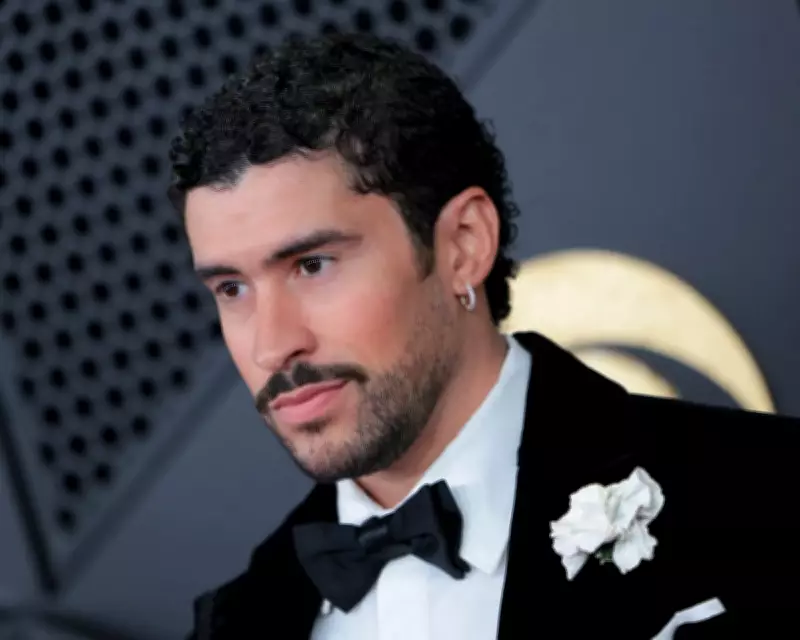
The Grammy-winning Puerto Rican star Bad Bunny is set to take the Super Bowl halftime stage this weekend, but his performance is already overshadowed by intense political controversy. As the first Spanish-language artist to headline the event, his presence has ignited debates about American identity, immigration, and language in a deeply polarized nation.
From Gas Station Rooftop to Global Superstardom
Bad Bunny, born Benito Antonio Martínez Ocasio, has achieved unprecedented global fame with his genre-smashing music performed entirely in Caribbean Spanish. His rise includes record-setting arena tours, a historic Coachella headline slot, and becoming the first Spanish-language artist to win Album of the Year at the Grammys. His surprise concert on a San Juan gas station roof in 2022, where he performed protest anthem El Apagón about Puerto Rican displacement and power outages, exemplifies his unique blend of charisma and social commentary.
The Inevitable Yet Improbable Choice
From a business perspective, Bad Bunny's selection seems logical given his status as the world's most-streamed artist for four of the past five years and his massive appeal among the US's 55 million Spanish speakers. However, in a political climate where Spanish has been demonized by some factions, the NFL's choice represents a significant risk for a typically brand-safe corporation.

Music scholar Perry Johnson notes that the NFL is trying to reach global and younger audiences, making Bad Bunny an almost inevitable choice. Yet the decision has drawn immediate hostility from certain political quarters, with figures like Corey Lewandowski criticizing the selection and Kristi Noem promising ICE surveillance at the event.
Historical Context of Backlash
The Super Bowl halftime show has long served as a battleground for cultural conflicts, particularly around race, gender, and national identity. Previous performances by artists like Janet Jackson, Beyoncé, Shakira, Jennifer Lopez, and Kendrick Lamar have all sparked controversy and FCC complaints. Bad Bunny's Spanish-language performance supercharges these tensions, especially amid current immigration policies targeting Spanish-speaking communities.
This backlash follows historical patterns, as seen when Puerto Rican musician José Feliciano faced calls for deportation after his 1968 World Series performance, or when Marc Anthony received abuse for singing God Bless America in 2013. The current alternative "All-American Halftime Show" promoted by Turning Point USA, featuring English-only performances, echoes the "English Only" movements of recent decades.
Puerto Rican Specificity and Global Resonance
Throughout his career, Bad Bunny has addressed Puerto Rico's complex status as a US territory that "belongs to but is not part of" the United States. His music tackles issues from gentrification and mass tourism to the pressure to leave and desire to return home. Despite its hyper-specific references and unique linguistic style, his work resonates globally because it "goes to the essence" of universal immigrant experiences, according to scholar Frances Negrón-Muntaner.
The Symbolism Exceeds the Performance
As Yarimar Bonilla of the Center for Puerto Rican Studies observes, the halftime show "has become more about politics than about music." Bad Bunny's very presence on stage makes a statement about belonging and American identity at a time when Spanish speakers face profiling and discrimination. His recent Grammy acceptance speech, where he declared "We are humans and we are Americans" in English, further emphasized this message while drawing additional conservative backlash.
Petra Rivera-Rideau, co-author of a book on Bad Bunny's cultural significance, notes that his performance represents a challenge to traditional ideas rooted in white supremacy and English-speaking dominance. Meanwhile, the NFL recognizes the commercial value of reaching audiences who might not otherwise tune in, particularly among Latino viewers and global markets.

A Cultural Watershed Moment
Regardless of Sunday's musical quality, Bad Bunny's performance has already achieved symbolic significance. It represents both the detachment of culture from geography in the 21st century and the ongoing culture wars between protectionist identity politics and more inclusive visions of America. As fans worldwide prepare for what Bad Bunny promises will be a "huge party," the political implications of his historic appearance continue to reverberate through American society.