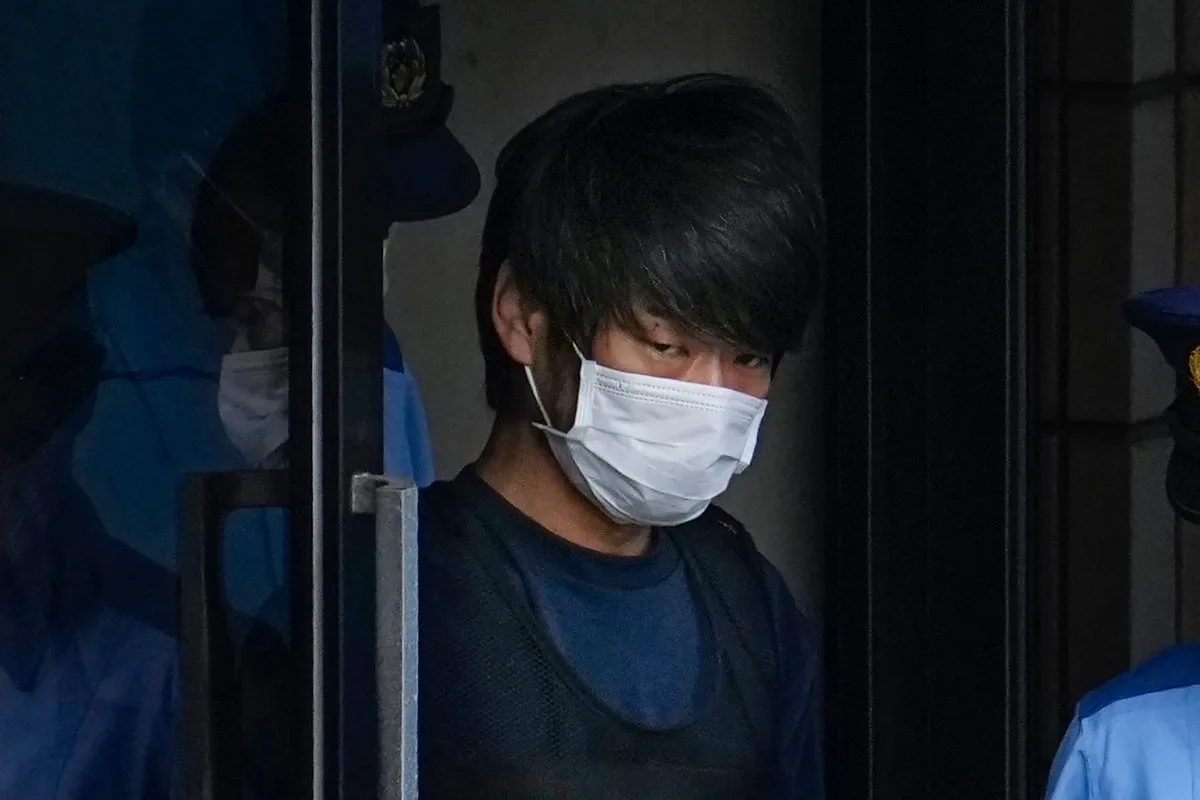
The man convicted of assassinating former Japanese prime minister Shinzo Abe has issued his first public apology to the statesman's family, telling a court he felt "deeply sorry" and had harboured "no ill will whatsoever" towards the late leader personally.
A Courtroom Confrontation and Apology
Tetsuya Yamagami, 45, addressed the Nara District Court on Thursday 4 December 2025 during the fourteenth hearing of his trial. He expressed remorse specifically to Abe's widow, Akie, and other family members for the immense suffering he had caused. "It is true that I have caused (Abe's family) three and a half years of suffering. As I, too, have lost a close family member, I have no excuse," Yamagami stated, according to local media reports.
The apology came a day after Akie Abe attended the proceedings for the first time, sitting in the second row on the prosecution's side in a dark jacket and skirt. She was present to hear Yamagami's statements but was not in court on the day he directly apologised to the family.
The Assassin's Motive and the Unification Church Link
Yamagami, who was arrested immediately after the shooting in July 2022, has consistently stated that his grievance was not with Abe personally, but with the Unification Church. He blamed the religious group for his family's financial ruin after his mother made substantial donations to the organisation.
"My real target was the Unification Church. Attacking its most prominent supporter wasn't meaningless, but I didn't see it as my primary goal," Yamagami told the court in a previous hearing. He held a grudge against the former prime minister for his perceived support of the church.
The shocking assassination, carried out with a homemade firearm as Abe campaigned in Nara, sent tremors through Japan—a nation with famously strict gun laws and low violent crime rates. The case has since triggered intense scrutiny of the Unification Church's operations and political ties within Japan.
Legal Proceedings and Wider Repercussions
Yamagami has pleaded guilty to the killing, simply stating, "It is true that I did it." His defence team has argued for a reduced punishment, contending that the handmade weapon used did not meet the legal definition of a handgun under Japan's Firearms and Swords Control Act.
The trial has cast a long shadow, highlighting the alleged cult-like practices and financial operations of the Unification Church. In March 2025, a Japanese court ordered the church to disband, a ruling the group has vowed to contest "to the end." The assassination and its motives have prompted a national reckoning over the influence of such organisations.
As the legal process continues, the apology from Shinzo Abe's assassin marks a poignant moment in a tragedy that has gripped Japan for over three years, intertwining personal vendetta, religious controversy, and national politics.




