MPs Launch Official Inquiry into 'Unfair' Student Loan Conditions
The Labour government is facing mounting pressure to reverse its stance on what critics call 'unfair' student loan conditions, following the launch of an official parliamentary inquiry. The Commons Treasury Committee announced it will investigate whether the terms of student loans have been altered in a manner that disadvantages graduates, with a focus on transparency and fairness.
Cross-Party Scrutiny Over Loan Terms and Threshold Freezes
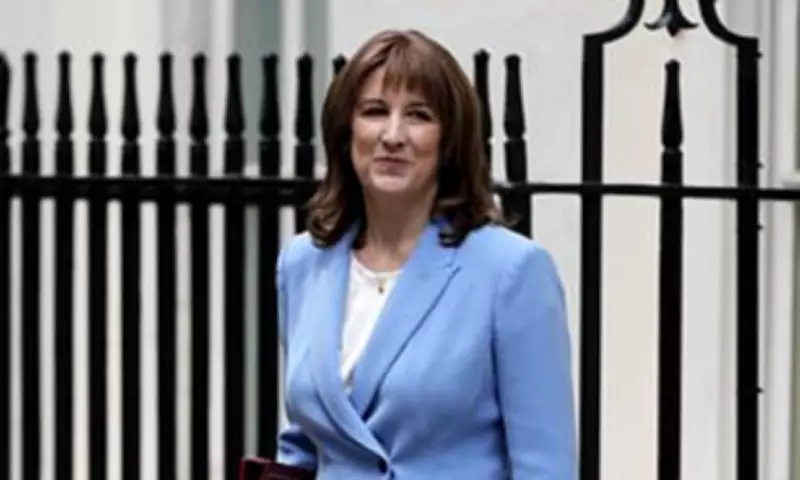
The cross-party committee, chaired by Dame Meg Hillier, expressed concerns that many young people may have taken out loans without fully understanding the terms or the possibility that they could change. This inquiry comes in the wake of Chancellor Rachel Reeves' November Budget announcement, which froze the salary threshold for Plan 2 student loan repayments at £29,385 for three years.
This freeze means that more graduates will be required to make repayments than if the threshold had increased with inflation, a move that has sparked widespread criticism. Campaigners have branded the decision as 'not moral', arguing that the government is treating student debt as a revenue-raising tax rather than a fair financial arrangement.

Graduate Dissatisfaction and Financial Burden
Dame Meg Hillier emphasised that the inquiry is fundamentally about fairness, questioning whether the 'goalposts have been moved in a way which is unfair to graduates'. She highlighted issues such as upward interest rates and high marginal tax rates, which have led to significant dissatisfaction among graduates who may not have anticipated these changes.
Graduates with Plan 2 loans, taken out between 2012 and 2023, report that interest is accruing faster than they can pay it off. Under Plan 2, interest is charged at the Retail Prices Index (RPI) plus up to 3%, creating a growing financial burden for many. The committee has invited anyone over the age of 16 to submit their views via a survey by mid-April, seeking insights into whether they would take out the loan today and how repayments impact their financial planning.
Political and Public Backlash
In response to the freeze, National Union of Students (NUS) representatives from across the country descended on Westminster to lobby for a reversal. Ilsa Hartley, president of Newcastle University Student Union, shared her personal experience, stating, 'I've got £5,000 of interest since I started uni, and I haven't even paid anything off yet. My debt is currently at £64,843.22.'
Political figures have also weighed in. Liberal Democrats leader Sir Nick Clegg, who was in government when tuition fees were raised to £9,000 in 2012, described the current system as 'deeply unfair' and a 'mess'. Meanwhile, Conservative leader Kemi Badenoch has promised that her party would restrict interest on Plan 2 loans to RPI inflation only, offering an alternative approach.
Government Defence and Future Considerations
Chancellor Rachel Reeves defended the government's position, stating that any changes to the student loan system must be 'fully costed and fully funded'. She noted that her priorities have focused on the NHS and defence, and she is working to reduce inflation, which would lower the interest charged on student loans.
A government spokesman added that threshold freezes are intended to protect taxpayers and current students, as well as future generations of learners and workers. The student finance system is designed to protect lower-earning graduates, with repayments based on income and outstanding loans, and interest being cancelled at the end of repayment terms.
As the inquiry progresses, it will examine key questions, including whether loan interest should be fixed to RPI, the Consumer Prices Index (CPI), or another measure, and whether loan terms should be subject to change. This scrutiny places significant pressure on Labour to reconsider its policies amid growing public and political discontent.