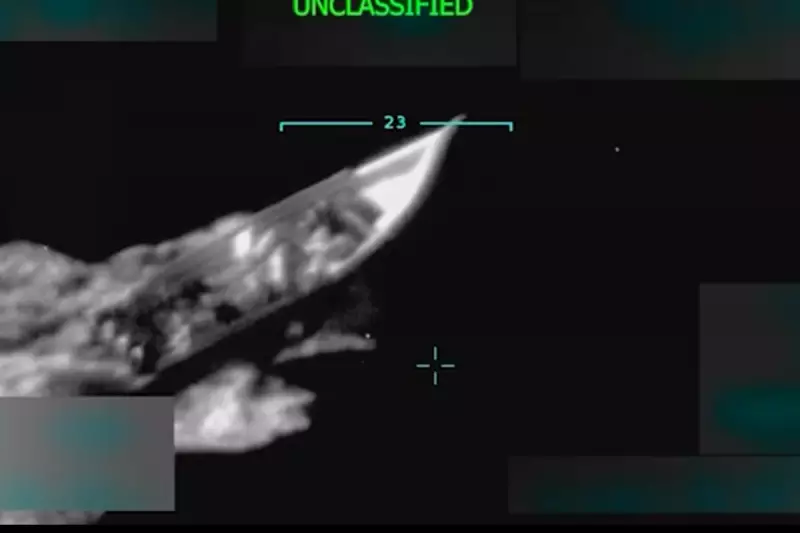
The Trump administration is facing serious allegations that it is attempting to make a decorated Navy SEAL commander the scapegoat for a highly controversial military action in the Caribbean Sea. The incident, which occurred in September, involved a second missile strike on a suspected drug-running vessel that resulted in the deaths of all 11 people on board.
The Controversial 'Double-Tap' Incident
According to reports, US forces carried out an initial attack on a boat that President Donald Trump claimed was smuggling drugs for a Venezuelan street gang. A follow-up strike, ordered by Admiral Frank “Mitch” Bradley, then targeted the same vessel. This 'double-tap' attack killed survivors of the first assault, raising immediate and grave legal concerns.
White House Press Secretary Karoline Leavitt has publicly defended Admiral Bradley's decision. She stated the order was 'well within his authority and the law' and was necessary to eliminate what she termed a 'narco terrorist' threat. The statement, issued on Tuesday 02 December 2025, has done little to quell the growing storm of criticism.

Outrage and Accusations of Scapegoating
The defence from the White House has sparked fury within the Pentagon. Senior officials have expressed outrage, accusing the administration of scapegoating serving military personnel to deflect political blame. The core of their concern is that attacking shipwrecked or surrendering individuals could potentially constitute a war crime under international law.
This internal conflict is unfolding despite public support for Admiral Bradley from figures like Pete Hegseth. Congressional leaders, however, are not swayed by these defences. Senator Roger Wicker is among those leading an investigation into the September incident, determined to ascertain the true facts behind the deadly engagement.
Political Fallout and Ongoing Investigations
The political ramifications are intensifying. A prevailing fear among critics is that the White House is 'throwing the admiral under the bus' specifically to protect political ally Pete Hegseth from fallout related to the aggressive stance on such strikes. The phrase 'kill them all' has been associated with discussions around this policy, further inflaming the debate.
As the investigation by Senator Wicker and others progresses, the key questions remain: was the use of force proportionate and legal, and who bears ultimate responsibility for the orders given? The answers will have significant implications for military protocol, international relations, and accountability at the highest levels of the US government.