UK to Send Warship to Cyprus as Middle East Tensions Escalate
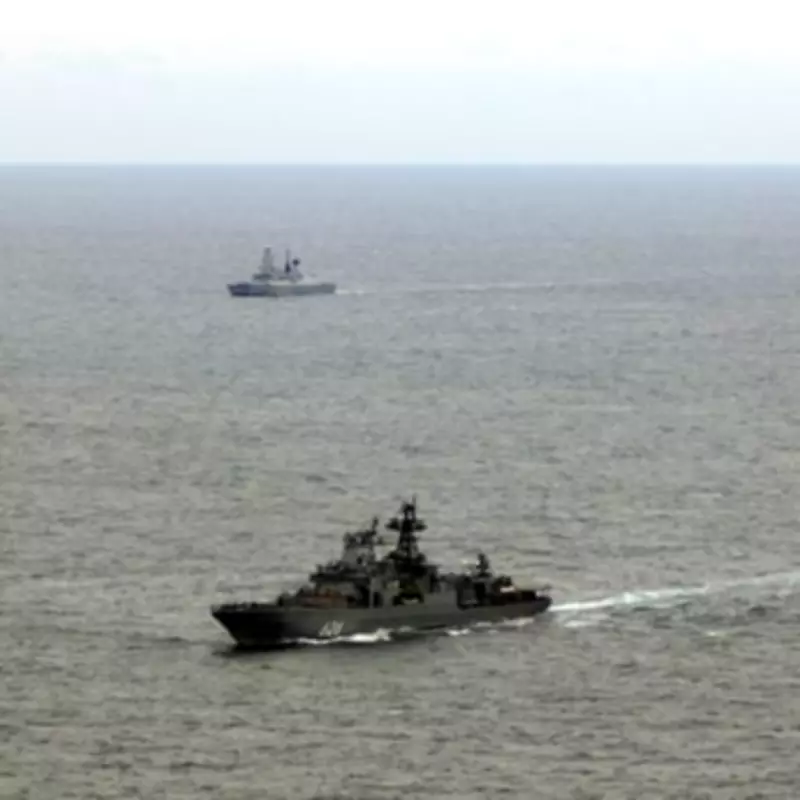
The United Kingdom is reportedly planning to deploy the warship HMS Duncan to Cyprus in response to ongoing drone assaults on RAF Akrotiri, a British military base on the east Mediterranean island. This move comes as part of a broader international effort to bolster anti-drone defenses in the region, with France and Germany also committing to send warships and additional land-based systems.
Escalating Threats and International Responses
According to sources cited by The Times, the decision to send HMS Duncan follows a drone strike that hit the runway at RAF Akrotiri, prompting the evacuation of family members of British military personnel. The base, which includes two schools, has been a focal point in the escalating conflict between Iran and Western allies.
In parallel, Cypriot officials have confirmed that France will dispatch a warship and provide extra anti-drone and anti-missile equipment, while Germany has responded positively to a similar request. These measures aim to enhance Cyprus's defensive capabilities as regional hostilities intensify.

Wider Regional Unrest and Attacks
The situation in the Middle East has deteriorated rapidly, with multiple incidents reported across several countries. Iran has targeted the US embassy in Saudi Arabia with drones, causing a limited fire and leading to the closure of US diplomatic posts in Kuwait and other nations. Additionally, Israeli forces have conducted simultaneous strikes on military targets in Tehran and Beirut, with troops now operating in southern Lebanon.
Hezbollah, the Lebanese militant group, has declared it will fight an open war with Israel, citing ongoing airstrikes since a ceasefire in November 2024. Meanwhile, attacks have extended to the United Arab Emirates, where a fire broke out at Fujairah port after an attempted drone strike, and Oman, where drones hit a fuel tank at Duqm port, a key resupply route for the USS Abraham Lincoln.
Human and Economic Impacts
Casualties have mounted on all sides. Iranian media reports at least 13 killed in airstrikes on an air base in Kerman, with additional deaths in cities like Hamadan. The Iranian Red Crescent Society states over 555 people have died in Iran due to US-Israeli operations, while Israel has reported 11 fatalities and Lebanon 31.
Economically, oil prices have surged, with Brent crude reaching a one-year high above $80 per barrel after Iran threatened to block the Strait of Hormuz, a vital shipping route for global oil supplies. This has heightened concerns about energy security and market stability.
Political and Diplomatic Fallout
US President Donald Trump has criticized UK Prime Minister Sir Keir Starmer for not allowing US jets to deploy from UK bases during initial strikes on Iran, stating the US-UK relationship is "not what it was." In contrast, Trump praised France for its support. The UK government, however, maintains that its decisions are based on legality and British interests, emphasizing it was not involved in the first wave of attacks.
The International Atomic Energy Agency has confirmed damage to Iran's Natanz nuclear enrichment site, though no radiological consequences are expected. This adds another layer of complexity to the conflict, which began after joint US-Israeli strikes killed Iran's supreme leader, Ayatollah Ali Khamenei, on February 28.
Ongoing Developments and Safety Measures
As the conflict continues, the US has urged Americans in Oman and other Middle Eastern countries to shelter in place and build emergency supplies. Non-emergency US personnel are being evacuated from multiple nations, including Iraq, Bahrain, and the UAE, due to security threats.
With no immediate resolution in sight, the deployment of HMS Duncan and allied warships to Cyprus underscores the international community's efforts to protect strategic assets and de-escalate tensions in a volatile region.