UK Defence Crisis: When Will Serious Investment Replace Political Sniping?
The vulnerability of the UK's presence in the Gulf and the safety of RAF Akrotiri in eastern Cyprus has been starkly exposed by at least one Iranian drone strike on the RAF base, likely fired by Hezbollah forces in southern Lebanon. While the attack caused no significant damage, it served as a chilling warning of what could have been. Simultaneously, thousands of British citizens remain stranded and in peril in locations like Dubai, with the government appearing limited in its ability to protect or rescue them. Although the first evacuation flights have begun landing, the danger persists for far too many individuals caught in the crossfire.
Political Blame Game Obscures Urgent Needs
At Prime Minister's Questions, Sir Keir Starmer and Kemi Badenoch engaged in mutual recrimination over the diminished state of the UK's armed forces. While such partisan sniping is typical for practising politicians, it is regrettable that neither leader could commit to collaborative efforts to address the crisis. This failure extends beyond mere personnel and equipment shortages to encompass glaring deficiencies in cyber defence and counter-espionage capabilities. Recent revelations about British citizens allegedly acting as agents for the Chinese state underscore these vulnerabilities, serving as yet another embarrassment in a series of security lapses.
Ms Badenoch argues that the government is actually reducing defence spending and failing to meet the target of allocating 3% of national income to the armed forces by 2030. In contrast, Sir Keir contends that the government has delivered the largest defence budget increase since the Cold War's end, while accusing the Conservatives of past cuts and missed recruitment goals. The truth likely lies somewhere in between, but the refusal of both sides to accept criticism hampers the development of a unified national strategy.

Deployment Delays and Strategic Shortfalls
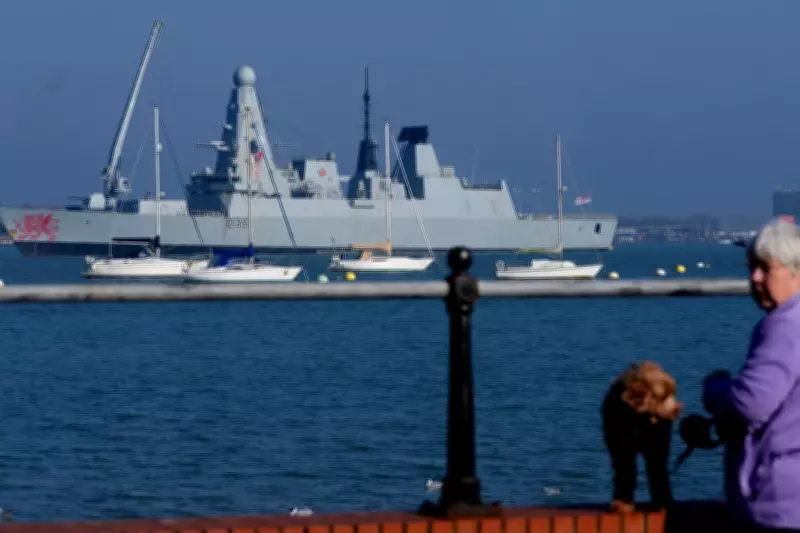
HMS Dragon, a Type 45 destroyer, and anti-drone helicopters are only now being deployed to the eastern Mediterranean, despite tensions having escalated to critical levels much earlier. These assets could and should have been dispatched sooner to bolster the defence of British and allied interests. Sir Keir points to the deployment of F-35 and Typhoon jets, along with enhanced anti-missile defences at RAF Akrotiri, and notes that the Type 45 is not ideally suited for defensive roles. However, the overarching question remains: why is the UK failing to commit the necessary resources to fulfil its national and international obligations?
From Guyana to Estonia, Bahrain to Taiwan, the armed forces are consistently stretched thin, unable to meet the demands placed upon them by successive governments. This inadequacy is not merely a matter of hardware but reflects deeper systemic issues in prioritisation and funding.
The Challenge of Reallocating Resources
The immediate priority must be to evacuate British and other nationals to safety and to secure UK and allied assets, including civilians, bases, embassies, and critical infrastructure. The prime minister's emphasis on a defensive posture permits targeted strikes on Iranian and proxy-operated missile facilities and launch sites. Beyond this, the monumental task of shifting public spending and industrial output toward defence has begun, but progress remains woefully insufficient.
With limited scope for increased government borrowing or higher taxes due to economic constraints and political opposition, alternative funding sources must be identified. The Conservatives and Reform UK suggest reallocating funds from welfare programmes, a vast but nebulous expenditure category, yet they offer scant detail on how to achieve the required tens of billions in savings. The government's own priorities appear equally unclear, failing to inspire confidence or deter potential aggressors.

Public Apathy and the Need for Leadership
Both major parties recognise that the British electorate remains largely indifferent to foreign threats, much as it was in the 1930s. There is little public demand for expanding nuclear submarine fleets or establishing new cyber defence units, compared to pressing domestic issues like reducing NHS waiting lists or abolishing stamp duty. Defence rarely features in focus groups or opinion polls, a trend that is tragically mirrored among many European partners, with Poland standing as a notable exception in championing deterrence policies.
History reminds us that even Winston Churchill struggled to mobilise public opinion against the rising threat of Nazi Germany until it was nearly too late. This underscores the vital importance of leadership and national unity in times of crisis. At the very least, Churchill made the effort. Today, as conflicts in Ukraine and Iran directly threaten British interests and sovereignty, the time for political squabbling is over. The nation must awaken from its complacency and commit to the essential investments required to safeguard its future.