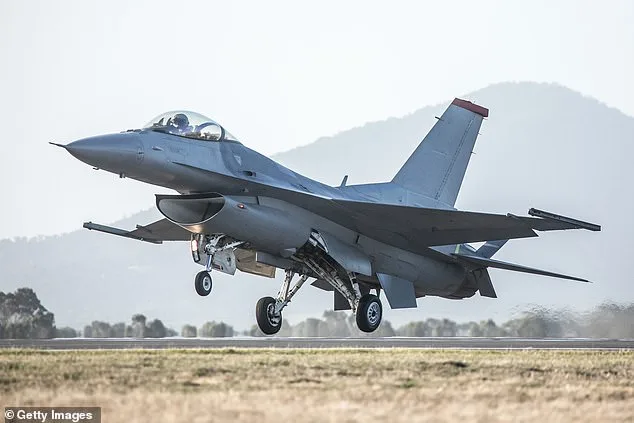
When a fighter pilot pulls the ejection handle, they initiate a violent escape that subjects the human body to some of the most extreme forces imaginable. As seen in a recent incident where three US F-15E jets were shot down over Kuwait during Operation Epic Fury, all six crew members ejected safely and are in stable condition. However, "safely" is a relative term when being blasted from a stricken aircraft at combat speed.
The Critical Decision and Overwhelming Forces
Decisions to eject are often made in mere seconds, a delay that studies link to death rates as high as 23%. Once activated, the ejection seat launches clear of the aircraft, propelling the occupant upward at accelerations up to 200 meters per second squared—roughly 20 times the force of gravity. For context, most people lose consciousness at around 5G due to gravity overpowering the heart's ability to pump blood to the brain.
Survival Rates and Injury Risks
Modern ejection seats, known as "zero-zero" models, can technically be used even if the aircraft is stationary on the ground. When used within recommended parameters—correct speed, altitude, and attitude—they show a greater than 95% survival rate. However, low-altitude ejections below 500 feet reduce survival to around 50%.
Surviving the ejection is no guarantee of walking away unharmed. A large review of evidence found major injuries occur in just under 30% of ejections, affecting the spine, limbs, head, and chest. Spinal fractures are the most common, occurring in as many as 42% of cases, often at the T12 and L1 vertebrae. The cushioning discs between vertebrae compress sharply, similar to natural daily spinal compression that causes height loss.
Additional Hazards During Ejection
The direction of ejection matters significantly. In normal flight, positive G-forces press pilots into their seats, but negative G-forces during dives or inverted flight drive blood toward the head. Ejecting under these conditions has been linked to eye injuries from rapid pressure changes, potentially causing temporary blindness lasting months.
Once outside the aircraft, crew members face "windblast"—a violent rush of air from the jet's speed, which can reach 600 knots or even exceed the speed of sound. This can rip away masks and equipment, leading to hypoxia at altitude, impairing thinking and survival management. High altitude also risks hypothermia and frostbite.
Post-Ejection Dangers and Recovery
Fragments of the cockpit canopy can embed in soft tissue, particularly the neck, while aircraft parts or shrapnel may cause penetrating trauma to organs like the liver and lungs, requiring emergency surgery. If the parachute deploys successfully, the opening shock can break ribs, dislocate shoulders, and injure the perineum from harness pressure. Landing accounts for around 49% of parachuting injuries, with feet making up one-third of cases.
For those landing in trees, suspension trauma—or "harness hang syndrome"—poses a further risk, where blood pools in the legs, potentially leading to unconsciousness or death. Recovery time varies widely, with studies showing return to flying duties taking from one week to six months, depending on injury severity.
Despite these risks, ejection remains far safer than attempting to survive a crash. For the six F-15E crew members recovering in Kuwait, surviving the ejection was only the first challenge in a grueling ordeal.






