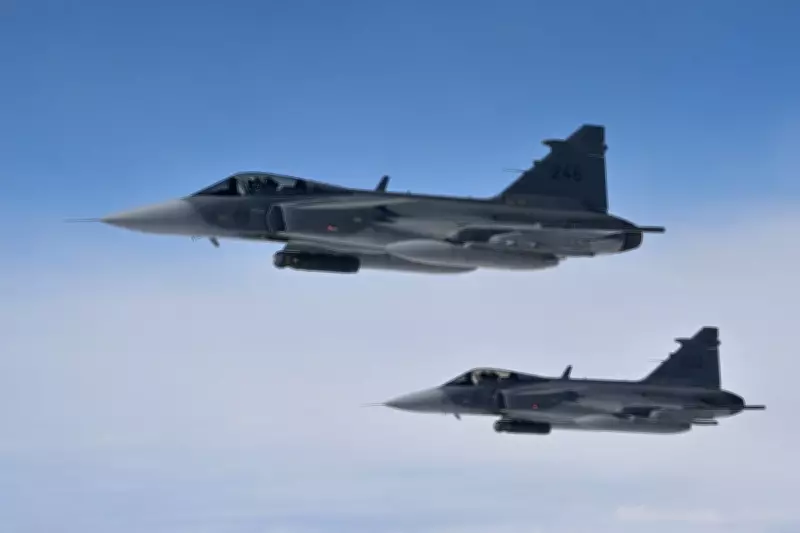
In a significant strategic move, Swedish fighter jets are now patrolling the skies around Iceland for the very first time as part of NATO's 'Arctic Sentry' mission. This deployment aims to demonstrate a strong commitment to Arctic protection and address growing security concerns in the region.
Enhanced NATO Presence in the Arctic
A total of six Saab Gripen fighter jets have been deployed to bolster NATO's presence in the strategically vital Arctic area. This initiative comes at a time of heightened tensions, with the alliance seeking to reinforce its defensive capabilities against potential threats.
Response to Political Pressures
The deployment is partly a direct response to pressure from US President Donald Trump, who has urged NATO members to increase their military expenditure in the Arctic. This follows his previous criticism of Denmark's military presence on Greenland, highlighting internal tensions within the alliance over resource allocation and strategic priorities.

Monitoring Russian Activities
The primary task of the Swedish fighters is to monitor Russian long-range bombers that originate from air bases on the Kola Peninsula. This region is home to Russia's Northern Fleet, and increased aerial activity has raised alarms among NATO allies about potential aggression.
Strategic Importance and Risks
NATO allies emphasise the Arctic's critical role as a warning chain for potential attacks against the United States or Canada. However, some analysts warn that this increased military activity could lead to a dangerous 'action-reaction cycle', potentially escalating conflicts in an already volatile region.
The 'Arctic Sentry' mission represents a proactive step by NATO to assert its influence and readiness, but it also underscores the delicate balance between deterrence and provocation in global geopolitics.