Russia's Pigeon Bio-Drone Project Raises Military and Ethical Concerns
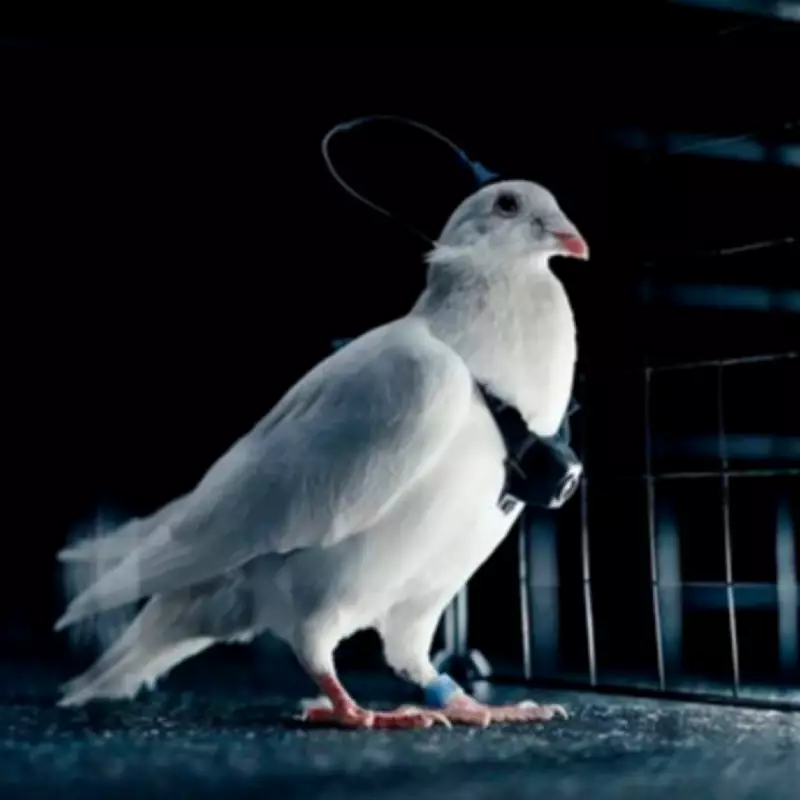
A Russian neurotechnology company, Neiry, is pioneering a controversial project to transform pigeons into bio-drones, with early testing already underway. The Moscow-based firm, which has received significant funding reportedly linked to the Kremlin, is implanting neural chips into birds, equipping them with chest-mounted cameras and solar panels, and enabling remote operators to steer their flight paths.
From Civilian Infrastructure to Warfare Potential
Neiry claims its pigeon drones are designed for peaceful applications, focusing on improving civilian infrastructure in areas like utilities, logistics, agriculture, and emergency response. The company highlights the birds' endurance, noting they can fly up to 300 miles daily, surpassing the range limitations of mechanical drones. However, experts warn that this technology could easily be adapted for military purposes if the experiments prove successful.
James Giordano, professor emeritus of neurology at Georgetown University and a Pentagon science adviser, has expressed grave concerns. He suggests these bio-drones could be used to transmit diseases into enemy territory, raising the specter of biological warfare. This dystopian possibility has sparked international alarm, particularly given Russia's history of using animals in military contexts, such as trained dolphins for naval base defense and Starlink terminals on horses for frontline internet coverage in Ukraine.

Funding and Government Links Under Scrutiny
Neiry has reportedly secured one billion roubles (approximately £10 million) in funding, with a substantial portion allegedly originating from Vladimir Putin's government. The company denies close ties to governmental agendas, arguing that state support for breakthrough technologies is a common global practice. However, investigations by The Times reveal a potential connection to Putin's second daughter, Katerina Tikhonova, who heads an artificial intelligence institute at Moscow State University partnered with Neiry.
A Neiry spokesperson has pushed back against military speculation, stating, "We make every effort to ensure that our bio-drones are used exclusively for civilian purposes, with no concealed or secondary use. Among other things, we thoroughly check the intentions of all our partners and counterparties." Despite these assurances, the opaque nature of the funding and the project's origins continue to fuel skepticism.
Historical Context and Ethical Dilemmas
If deployed in warfare, pigeon drones would not mark the first time these birds have been entangled in human conflict. During the Second World War, over 200,000 homing pigeons served as crucial messengers for armed forces and civil defense services, saving thousands of lives. Their intelligence and navigational skills made them invaluable assets, leading to measures like culling birds of prey and halting pigeon racing to protect them.
Neiry's work also joins a broader history of attempts to merge technology with animals. Scientists in China recently created cyborg bees with brain controllers to direct flight, while the CIA's declassified documents reveal failed projects like remote-controlled dog assassins and a cat implanted with listening devices. These precedents highlight both the potential and pitfalls of such innovations.
Animal Welfare and Future Implications
Neiry asserts that the pigeons are well cared for, maintaining normal routines outside flights and receiving operator attention between missions. Founder Alexander Panov notes that while pigeons are the current focus, different species may be used based on environmental needs or payload requirements, emphasizing versatility in scenarios where conventional drones face physical constraints.
Nevertheless, the ethical implications of using live animals as technological tools remain contentious. Bird advocates point out that pigeons are highly intelligent creatures capable of recognizing their own reflections, often misunderstood despite their urban reputations. As this project advances, it raises profound questions about the boundaries of science, the ethics of animal use, and the potential for dual-use technologies to reshape both civilian and military landscapes.