
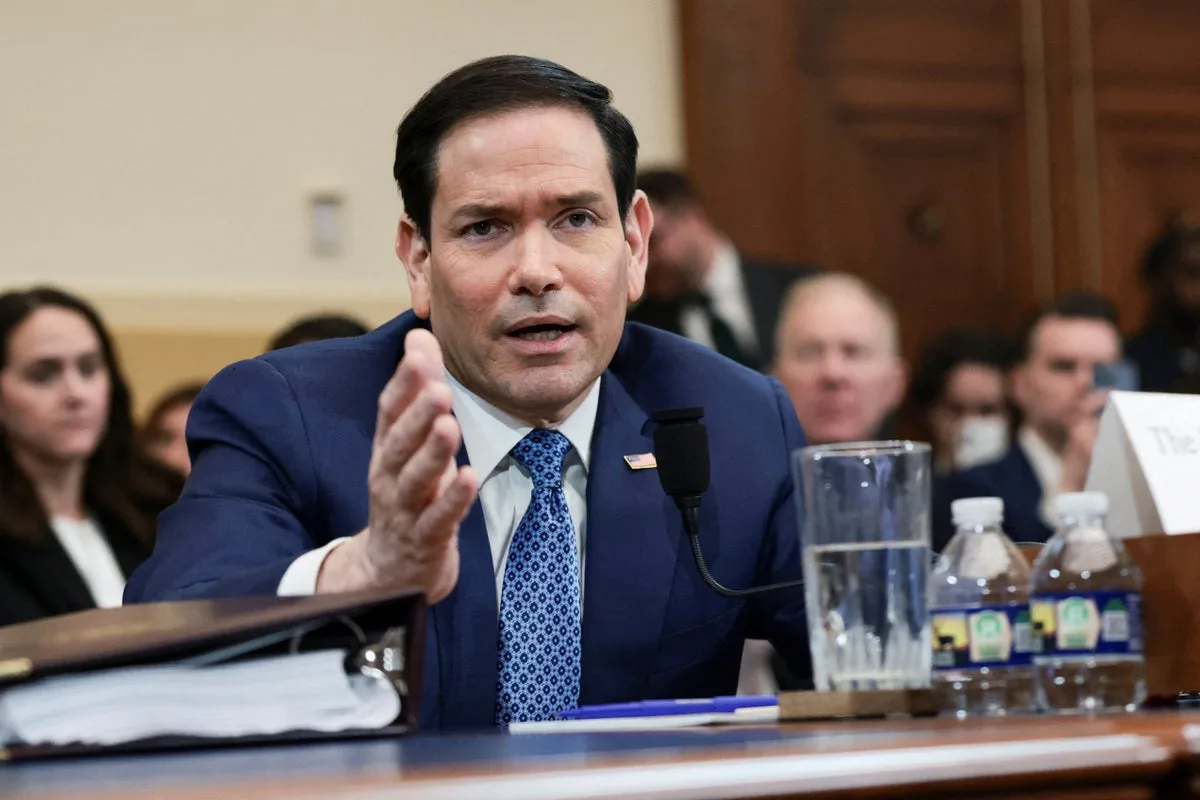
Secretary of State Marco Rubio admitted on Wednesday that he had never heard of Bill Pulte in the context of the intelligence community, despite Pulte being President Donald Trump's choice for acting director of national intelligence. The admission came during a House Foreign Affairs Committee hearing, where Representative Bill Keating, a Democrat from Massachusetts, questioned Rubio on the matter.
Keating highlighted Rubio's extensive experience, including his service on the Senate Intelligence Committee and his current roles as top diplomat and national security adviser. When asked directly if he had heard Pulte's name in an intelligence context, Rubio replied, 'No.' Keating pressed further, noting that Rubio had never heard the name despite his years of experience.
Trump announced Pulte's appointment on Tuesday, elevating the federal housing regulator to lead the intelligence community. The move has drawn criticism from Democrats and at least one Republican, who question Pulte's qualifications given his lack of national security experience, particularly amid global tensions.
Keating expressed concerns about Pulte's past conduct, stating that he had misused confidential information to prosecute Trump's political enemies. Pulte, 38, has reportedly used his position at the Federal Housing Finance Agency to investigate individuals perceived as Trump's adversaries for alleged mortgage fraud.
Despite the criticism, Trump praised Pulte in a Truth Social post, citing his 'deep experience managing the most sensitive matters in America.'




