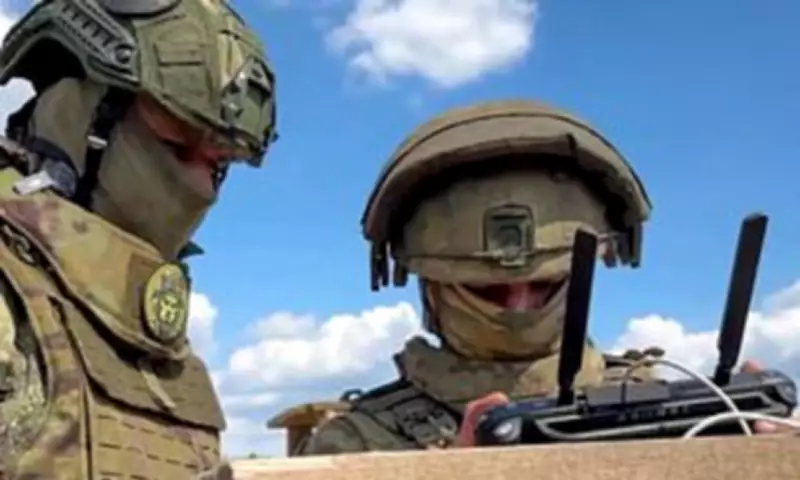
Vladimir Putin has established a formidable new drone unit that reportedly surpasses the entire British Army in size, according to a recent analysis. The Institute for the Study of War has claimed that Russia's newly formed Unmanned Systems Forces consist of over 87,000 soldiers, a figure that highlights Moscow's aggressive military expansion.
Russia's Elite Drone Regiment Structure
This elite regiment was showcased during the May 2025 Victory Day Parade in Moscow and currently comprises seven regiments, 25 battalions, one division, and three detachments. However, the ISW report indicates that Russia plans to significantly expand this force in 2026, with ambitions to add one brigade, four regiments, 96 battalions, two divisions, and 82 companies.
Additional Specialised Units
Moscow further bolsters its unmanned capabilities with another 1,000 troops in its elite Rubicon force and hundreds more personnel in the Bars-Sarmat Unmanned Systems Special Purpose Centre. This comprehensive approach underscores Russia's strategic focus on drone warfare and technological superiority.

British Army's Historic Decline
In stark contrast, the British Army has diminished to its smallest size in over two centuries following a series of severe cutbacks that have devastated its numbers. The latest statistics from October 2025 reveal only 74,270 full-time, trained soldiers ready for deployment, accompanied by a further 25,710 reservists.
Alarming Drone Capability Gap
A source expressed genuine concern to The Sun, noting that the United Kingdom possesses merely around 3,000 troops capable of operating drones. This disparity becomes even more pronounced when considering Russia's massive investment in unmanned systems.
Historical Context of UK Reserves
At the conclusion of the Cold War, the Territorial Army maintained a trained strength of nearly 73,000 soldiers. By the end of the Second World War, more than one million army reservists had been mobilised for combat. Today's figures represent a dramatic reduction in Britain's military readiness.
Funding Priorities and Equipment Shortfalls
Limited defence funding has led successive governments to prioritise financial resources for the full-time army, Royal Navy, and Royal Air Force. This approach has resulted in undermanned reserves, with part-time troops historically lacking essential equipment such as body armour, weapons, and vehicles, and often not receiving adequate training.
Ministry of Defence Response
A spokesperson for the Ministry of Defence stated: 'We are spending £4 billion on boosting our drone capabilities. The Army has already trained 3,000 drone pilots, with another 6,000 to be trained next year.' This investment aims to address the growing capability gap, but concerns remain about the pace and scale of Britain's response to Russia's military advancements.