Military Disparity: Pakistan's Nuclear Arsenal and Forces Dwarf Afghanistan
Cross-border fighting between Pakistan and Afghanistan has intensified overnight, with both sides reporting heavy casualties. The Pakistani defence minister has declared that his country is now in an "open war" with its neighbour. As tensions escalate, a detailed examination of military capabilities reveals a stark imbalance between the two nations.
Overview of Military Strengths
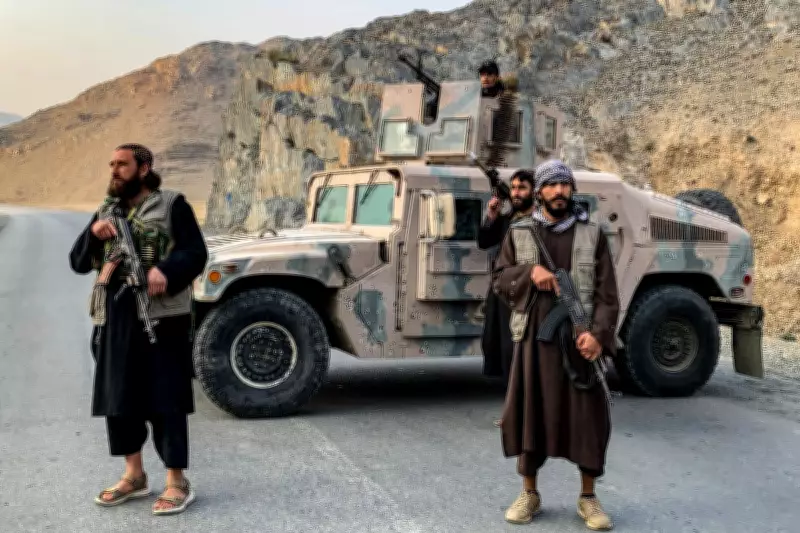
Pakistan's armed forces benefit from robust recruitment and retention programs, significantly bolstered by equipment supplied by its primary defence partner, China. Islamabad continues to invest heavily in its military nuclear programmes while simultaneously modernising its navy and air force. In contrast, the capability of the Afghan Taliban's armed forces is declining, hampered by a reduced ability to operate foreign equipment seized during their return to power in 2021.
A lack of international recognition for the Taliban administration has further impeded military modernisation efforts, leaving Afghanistan at a considerable disadvantage.

Personnel and Manpower
Pakistan maintains a formidable force of 660,000 active personnel across its defence forces. This includes 560,000 in the army, 70,000 in the air force, and 30,000 in the navy. The Afghan Taliban's military strength is significantly thinner, with only 172,000 active personnel. However, the group has announced plans to expand its armed forces to 200,000 personnel, though this remains an aspiration rather than a current reality.
Armoured Vehicles and Artillery
Pakistan possesses more than 6,000 armoured fighting vehicles and over 4,600 pieces of artillery, providing substantial ground combat capability. Afghan forces also have armoured fighting vehicles, including Soviet-era main battle tanks, armoured personnel carriers, and autonomous underwater vehicles, but the exact numbers are unknown. Similarly, the precise quantity of artillery they possess, which includes at least three different types, remains unverified.
Air Force Capabilities
Pakistan's air force boasts a fleet of 465 combat aircraft and more than 260 helicopters, encompassing multi-role, attack, and transport choppers. Afghanistan, on the other hand, has no fighter jets and lacks a real air force. It is known to possess at least six aircraft—some dating back to the Soviet era—and 23 helicopters, though the operational status of these assets is uncertain and likely limited.
Nuclear Arsenal
A critical distinction lies in nuclear capability. Pakistan is a nuclear-armed country with an estimated 170 warheads, a factor that dramatically alters the strategic balance. Afghanistan does not possess a nuclear arsenal, placing it at a severe disadvantage in any potential conflict escalation.
The ongoing clashes underscore the vast military disparity between Pakistan and Afghanistan, with Pakistan's advanced equipment, larger personnel numbers, and nuclear arsenal presenting a formidable challenge to its neighbour's more limited and outdated forces.